

























Chef Andrew Gruel demonstrates a fast flip-and-sear method for thin steak
Andrew Gruel guides viewers through his steak-making process, sharing practical tips on when to turn the meat and how to achieve a rich exterior while keeping the meal simple and carb-free.
From grocery store shelves to restaurant menus, premium beef labels are popping up everywhere — but these labels don't always mean what shoppers think.
Wagyu, once reserved for ultra-premium Japanese beef but now found on everything from burgers to steakhouse specials, is a prime example. Beef labeled "Wagyu" can vary widely in quality, origin and value, The New York Times recently reported, and customers can be at risk of getting ripped off.
"When consumers see 'Wagyu' on a menu or label today, they generally think of an elevated, premium eating experience — exceptional tenderness, rich flavor and that melt-in-your-mouth quality driven by high marbling," said Stephanie Hamilton, a Colorado-based brand manager at JBS, a major global beef producer.
TRAVIS KELCE AND PATRICK MAHOMES' STEAKHOUSE BLASTED OVER $650 DINNER: 'THE WORST'
"It signals indulgence and affluence, and many people understand that Wagyu cattle are different from conventional beef cattle," Hamilton told Fox News Digital.
But that perception doesn't always match reality.
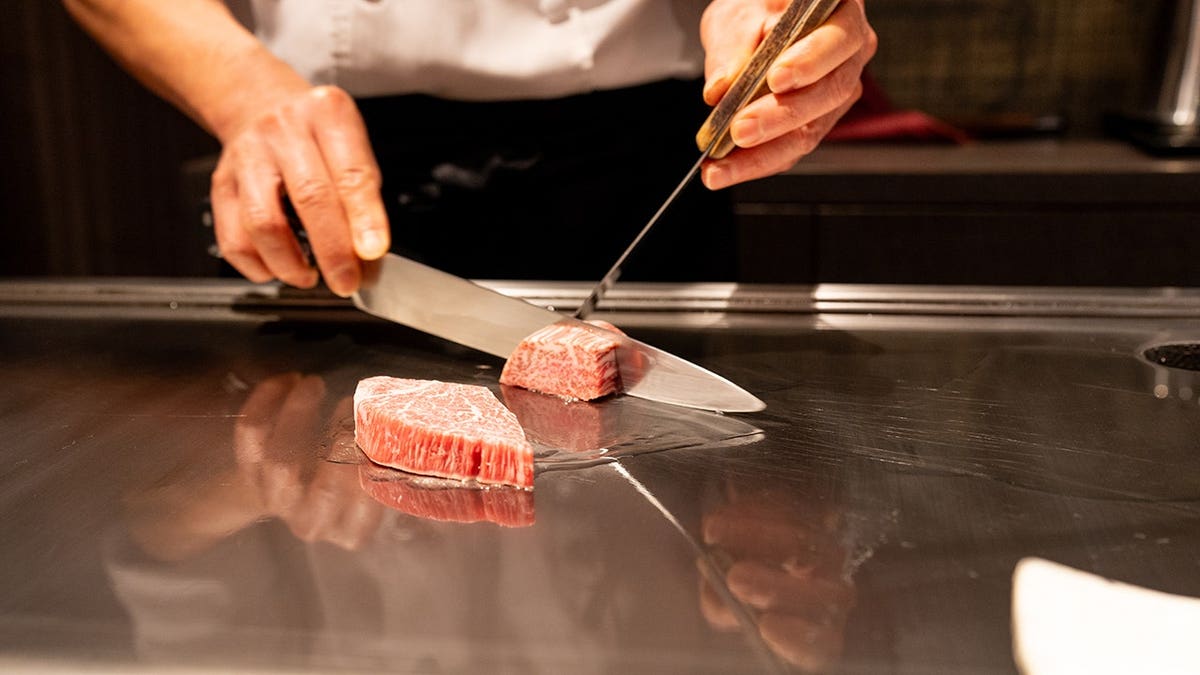
Wagyu beef, once a luxury import from Japan, is now widely available in the U.S. at varying price points and quality levels. (iStock)
"It's often misunderstood," Hamilton added. "Many consumers assume Wagyu automatically means beef imported from Japan — when in reality, most Wagyu available in the U.S. is raised here and reflects Japanese genetics rather than Japanese origin."
SHOPLIFTER'S BEEFY BACKPACK RIPS OPEN ON ESCALATOR, SENDING DOZENS OF STEAKS SPRAWLING ACROSS FLOOR
Evan Carter, the Seattle-based co-founder of The Meat Dudes, a brand focused on Wagyu education and consulting, said the term has become even broader in practice.
"When consumers see Wagyu today, it usually just means the beef has some level of Wagyu genetics, but beyond that, it can vary a lot," Carter said.
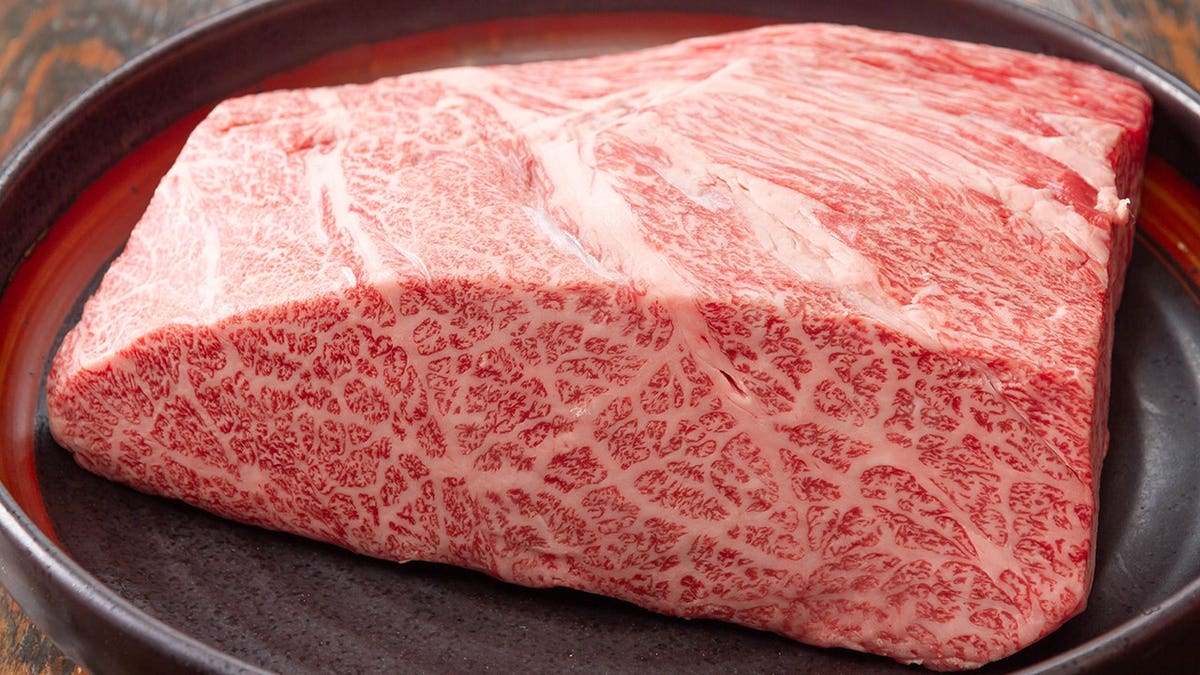
Japanese A5 Wagyu is known for its intense marbling. (iStock)
"It could be a full blood Wagyu animal with traceable lineage, or it could be a blend with a smaller percentage of Wagyu genetics mixed in."
The biggest differences come down to origin and genetics, Hamilton agreed.
POPULAR STEAKHOUSE'S DRESS CODE SPARKS BACKLASH AS DINERS TOLD TO DITCH HATS OR EAT AT THE BAR
"True Japanese Wagyu is full-blood Wagyu cattle that are born, raised and harvested in Japan, under very strict production standards. It's rare outside the country and typically very expensive."
American Wagyu, by contrast, is raised domestically using Japanese genetics, often blended with traditional U.S. beef production methods.
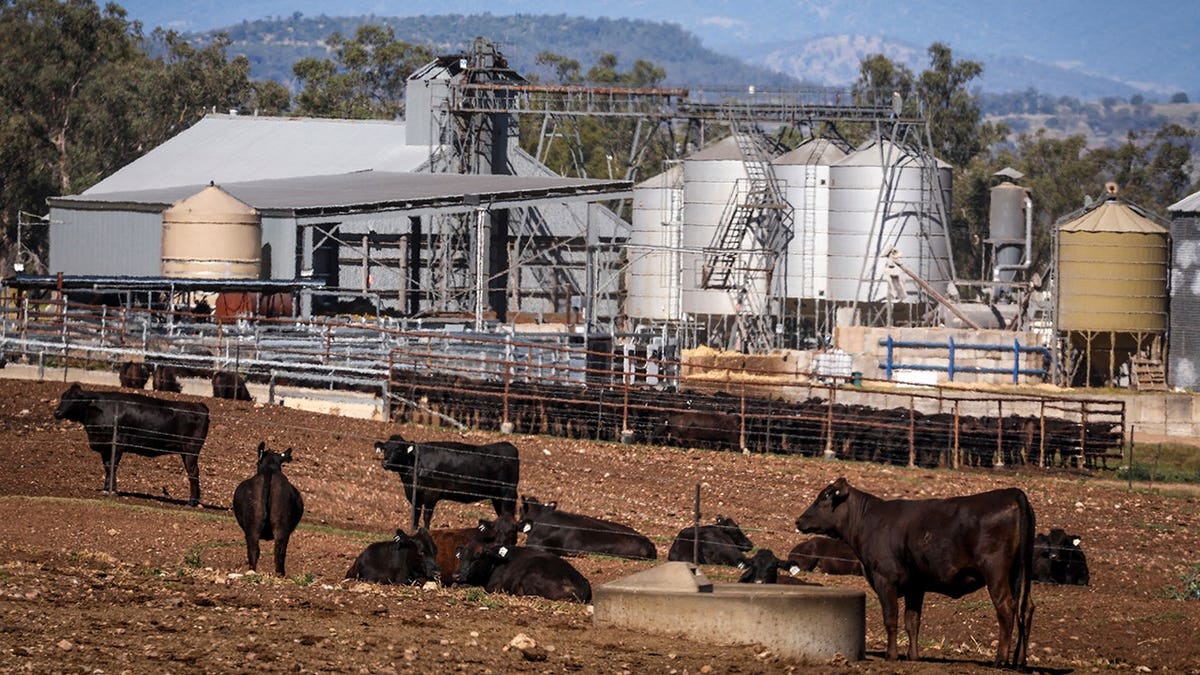
American Wagyu blends Japanese genetics with domestic cattle, resulting in a different flavor and texture profile. (David Gray/AFP)
"That results in exceptional marbling and flavor but with a style that's more familiar to U.S. consumers," she said.
Because the term isn't tightly regulated in the U.S., experts say it can sometimes be used loosely — especially in restaurants.
VIRAL HACK COULD SAVE YOU FROM SPENDING ON 'INSANELY EXPENSIVE' AIRPORT FOOD
"There's a lot of misunderstanding about Wagyu," said chef Jesse Schenker, who serves authentic Japanese A5 Wagyu at his restaurant FOUR in Oyster Bay, New York.
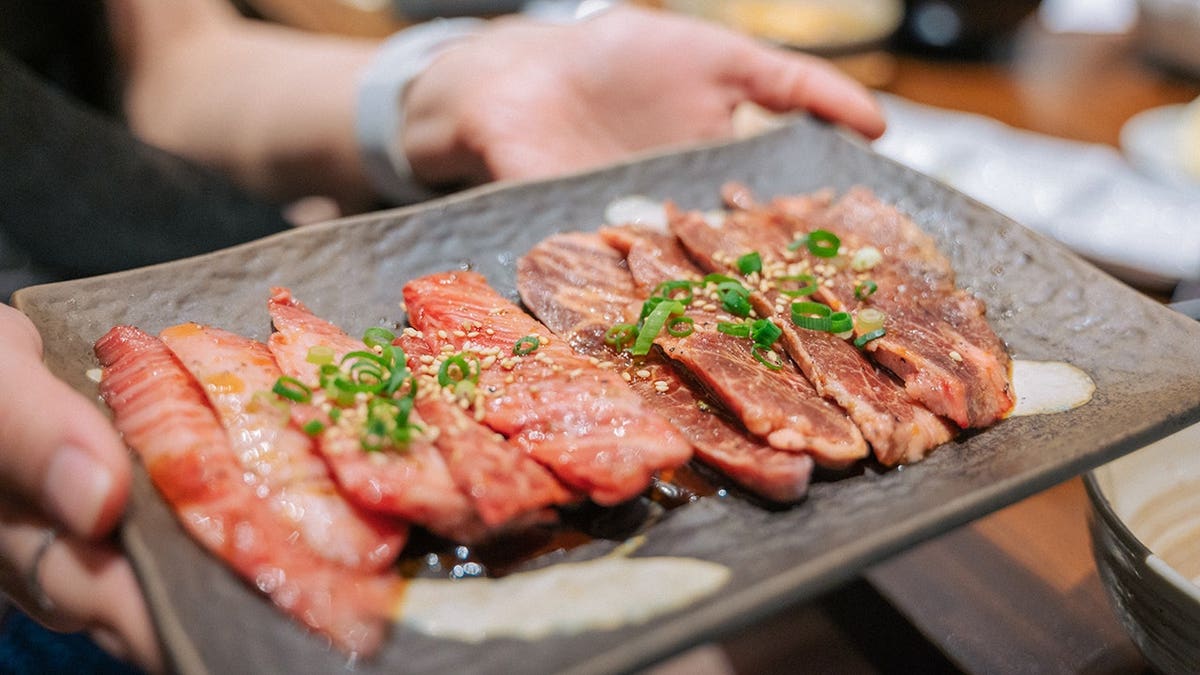
Experts urge consumers to look closely at labeling and sourcing when buying Wagyu beef to avoid overpaying. (iStock)
"I think consumers associate the word 'Wagyu' with higher price points, but when you see Wagyu on a menu, you have to be careful that it's not just being used as a buzzword because restaurants can price gouge if they are not using actual Wagyu," he told Fox News Digital.
"In America, the words 'Wagyu' and 'Kobe' beef on menus get consumers excited and, in turn, operators can charge more for ingredients that may be of lesser quality."
The American Wagyu Association also emphasized that the term has evolved over time.
CLICK HERE TO SIGN UP FOR OUR LIFESTYLE NEWSLETTER
"Wagyu literally means 'Japanese cow,'" Jerry Cassady, executive director of the Oklahoma-based trade group, told Fox News Digital.
In the U.S., the term generally refers to cattle descended from Japanese breeds known for producing highly marbled beef.
"Marbling is the secret to Wagyu's unmatched taste," Cassady said, adding that the beef's popularity continues to grow because "it delivers the memorable eating experience consumers are willing to pay for."
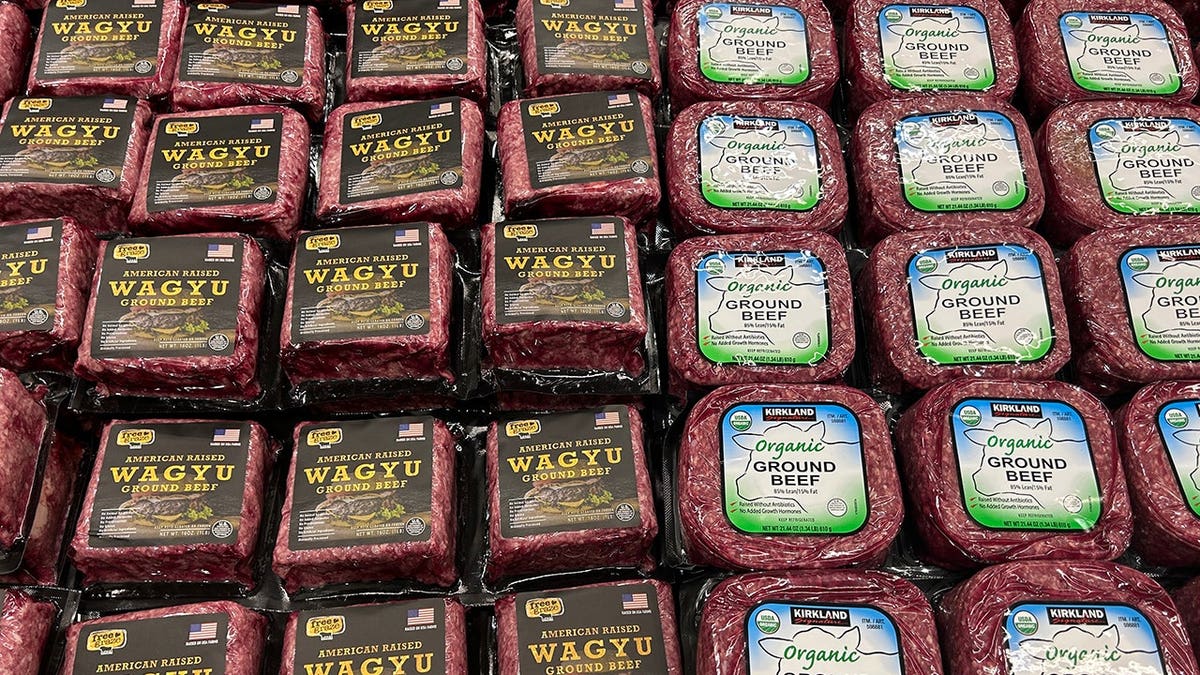
Much of the Wagyu sold in the U.S. is raised domestically using Japanese cattle genetics and is now widely available at retailers. (Lindsey Nicholson/Universal Images Group)
To avoid overpaying for something that may not live up to the label, experts offered a few tips.
Schenker pointed to pricing as a potential red flag.
CLICK HERE FOR MORE LIFESTYLE STORIES
"If it's not expensive enough, be cautious as it might not be real," Schenker said.
"For example, if you see a 16-ounce American Wagyu steak on a menu for $49, you know it's not real — it should be more like $79."
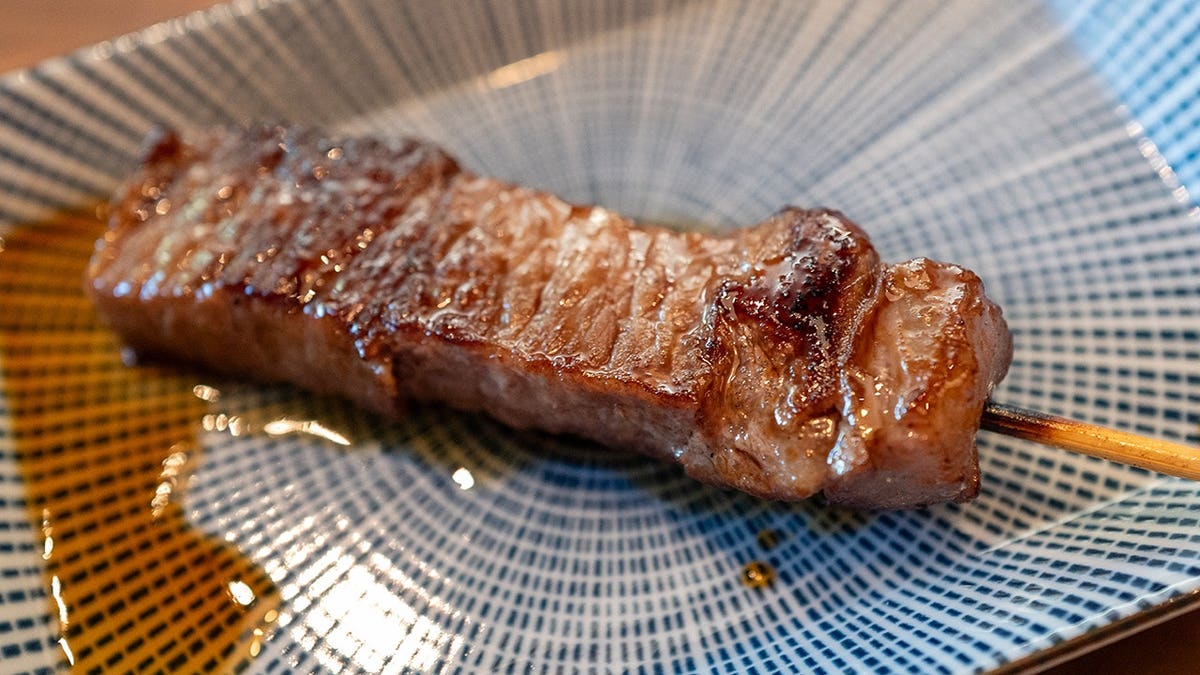
Because of its intense richness, true Japanese A5 Wagyu is typically served in small portions. (Smith Collection/Gado/Getty Images)
He also advises shoppers to pay attention to details, from marbling when buying beef to how a restaurant presents itself.
CLICK HERE TO DOWNLOAD THE FOX NEWS APP
Carter said asking a few simple questions can go a long way.
"The best thing consumers can do is ask a couple simple questions: where is it from and what kind of Wagyu is it?" he said. "The more transparency you get, the better chance you have of getting something that actually lives up to the name."
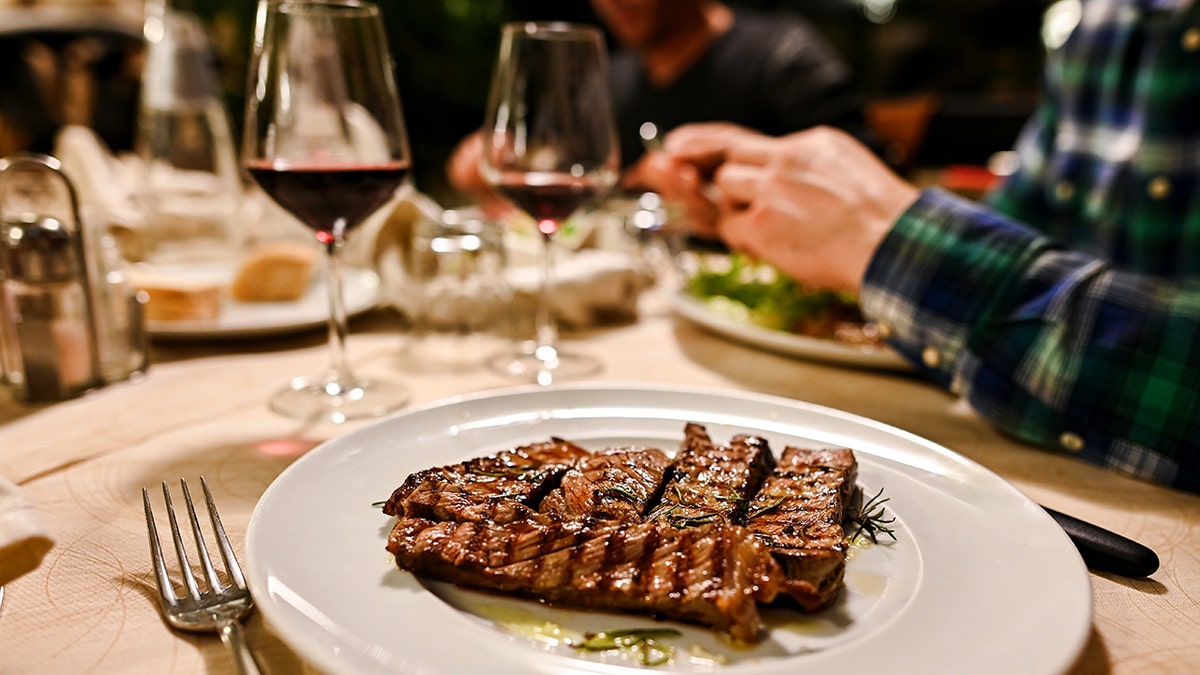
Labels like "Wagyu," "Kobe" and "premium" are often used but can vary widely in meaning and quality. (iStock)
Carter added, "If a restaurant or butcher can tell you the ranch, you're usually on the right track."
Experts agree that, while Wagyu can be worth it, other high-quality but less expensive cuts can be just as indulgent.
TEST YOURSELF WITH OUR LATEST LIFESTYLE QUIZ
"The simplest tip is to think of Wagyu as an experience," Hamilton said.
"If you're buying or ordering Wagyu, treat it as a moment to indulge."
