




























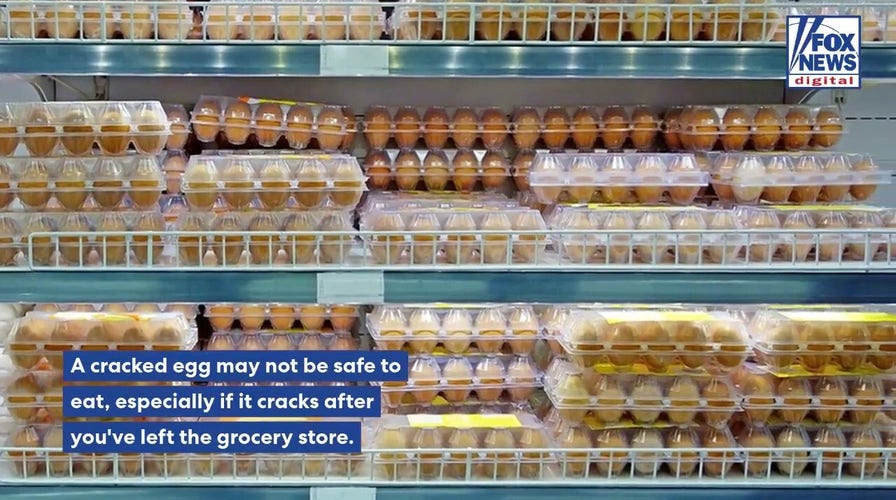
Can you safely eat a cracked egg? Experts explain the Salmonella risk
Food safety experts share whether a cracked egg is safe to consume and why damaged shells can increase the likelihood of bacterial contamination.
Many shoppers routinely open a carton of eggs at the grocery store to check for cracks before buying them. But what if an egg cracks later in the car, or while being transferred to the refrigerator at home — is it still safe to eat?
"The short answer is no. Cracked eggs should be discarded," said Bill Marler, a food safety advocate and attorney based in Washington state.
"Cracked eggs allow Salmonella to enter and grow inside the egg," he told Fox News Digital. "The risk is significant. Cracked eggs are more likely to test positive for Salmonella than those with intact shells, even if the intact shells were dirty with feces."
'I'M A HEART SURGEON, HERE'S WHAT YOU SHOULD KNOW ABOUT EGGS, YOUR HEART AND YOUR HEALTH'
The size of the egg's crack and how long it's been there matter, according to Donald Schaffner, professor of food science at Rutgers University in New Jersey.
"If the crack is small, and it happened recently, the possibility of any bacterial spoilage would be small," Schaffner told Fox News Digital. "If the crack is bigger, or it happened a long time ago, the possibility that bacteria have entered the egg and begun to spoil would be larger."
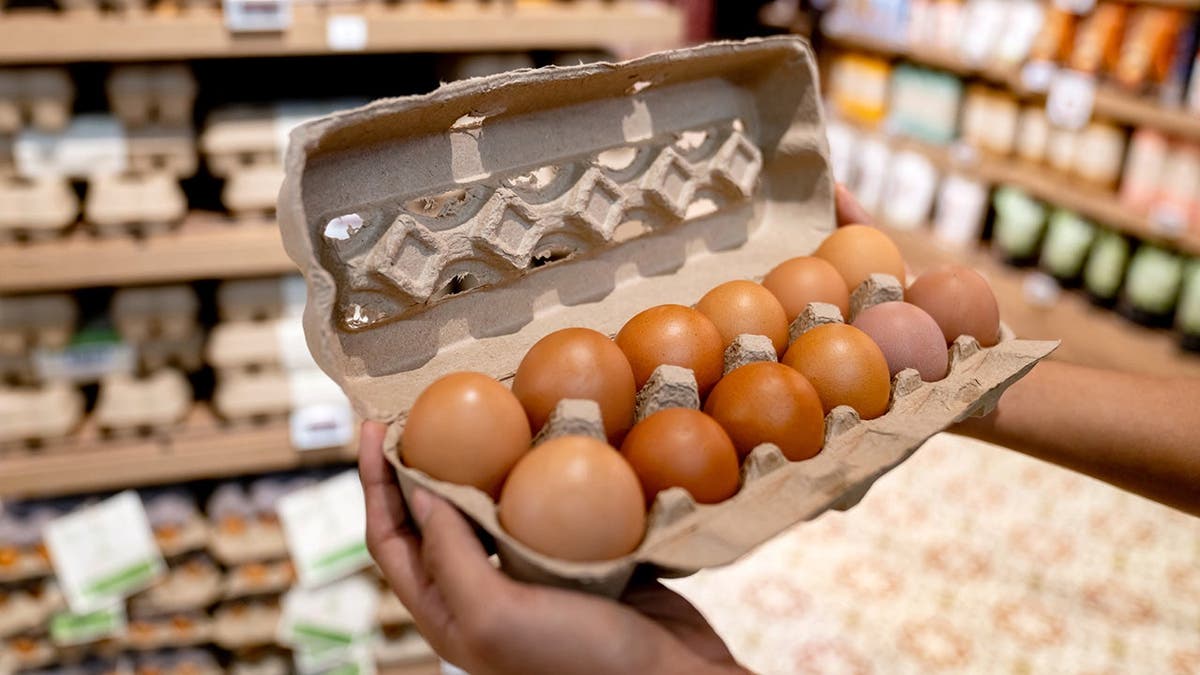
People should check for cracked eggs in the carton before buying them and discard any cracked ones later, said the CDC. (iStock)
"The CDC (Centers for Disease Control and Prevention) recommends discarding cracked or dirty eggs entirely," Marler added.
Fully cooking an egg should eliminate any Salmonella risk, Schaffner said.
Using newly cracked eggs in dishes that will be fully cooked is one option, he said. In his home, he'll sometimes fully cook the eggs and feed them to his dogs.
CLICK HERE FOR MORE LIFESTYLE STORIES
"There is a small possibility that other pathogenic bacteria, besides Salmonella, might get inside the egg and start to grow," he said. "Some of these bacteria make heat-stable toxins that would not be destroyed by cooking, but I think this is a very unlikely possibility."
Eggs are one of the leading sources of the roughly 1.35 million Salmonella infections the CDC estimates occur annually, according to Darin Detweiler, a food safety policy expert and professor at Northeastern University College of Professional Studies.
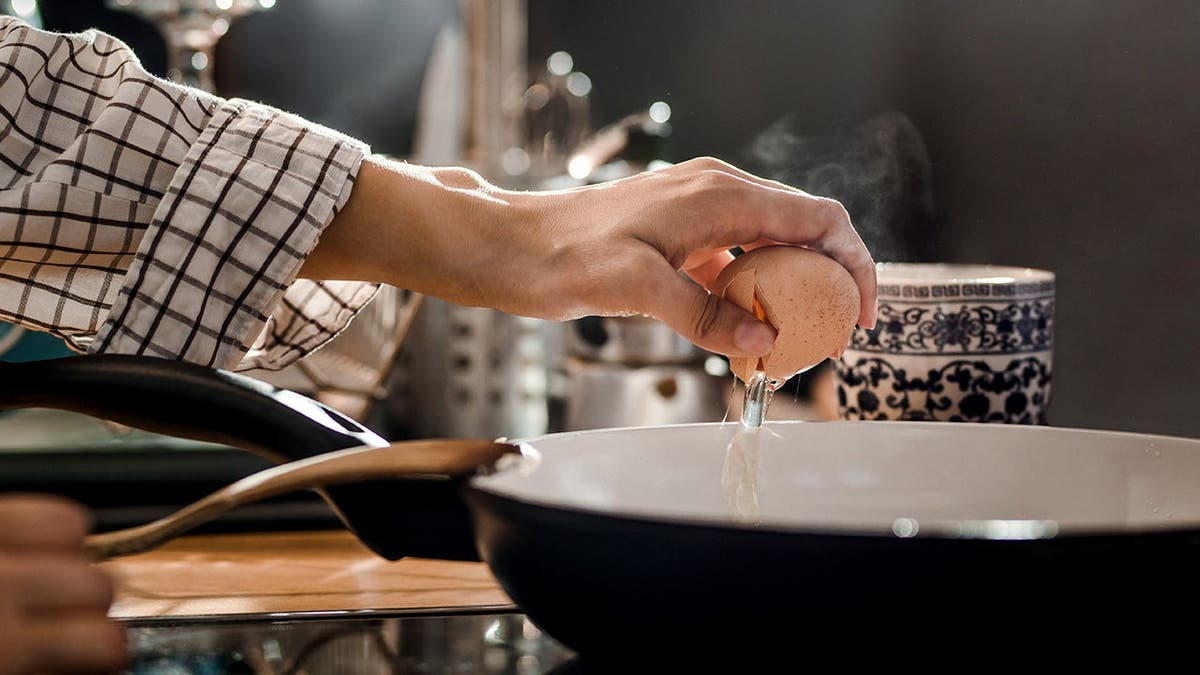
Cracked eggs can be safe to cook with, provided the crack is new and not large, some experts say. (iStock)
Salmonella can cause fever, diarrhea and stomach cramps and typically goes away on its own, according to the Cleveland Clinic. Immunocompromised people, children, pregnant women and the elderly are at a greater risk of serious complications, Food & Wine reported.
"Salmonella can sometimes infect a laying hen's reproductive tract," Detweiler told Fox News Digital. "When that occurs, the bacteria may be deposited inside the egg before the shell is formed. As a result, even an egg with a clean, intact shell can potentially contain Salmonella."
CLICK HERE TO SIGN UP FOR OUR LIFESTYLE NEWSLETTER
For this reason, some countries, including many European Union nations, have adopted widespread vaccination programs targeting Salmonella in poultry flocks, he said.
Even when an egg is contaminated before the shell forms, the overall risk to consumers remains relatively low, Detweiler and Schaffner said.
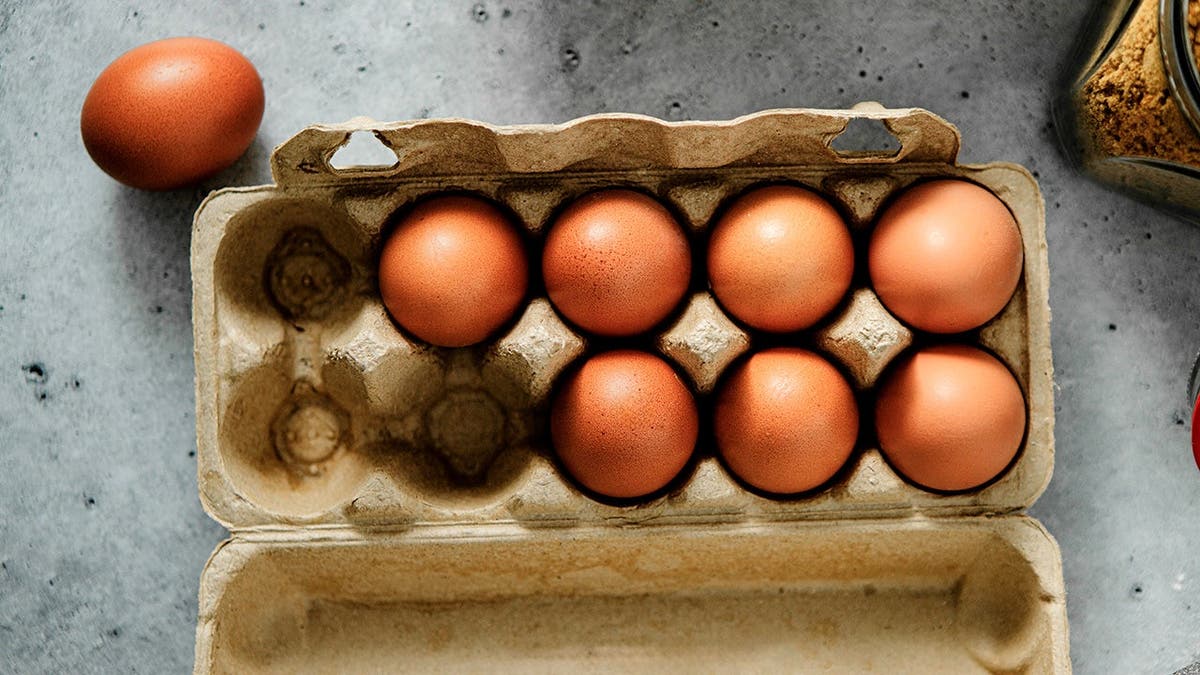
Some experts maintain that cooking eggs fully reduces the risk of Salmonella significantly, while others say automatically throwing away cracked eggs is the best course of action. (iStock)
"The Salmonella are likely in the white of the egg," Schaffner said.
"Egg whites naturally contain preservatives that stop bacteria from growing. However, the egg white is separated from the egg yolk by a membrane. If this membrane breaks down, bacteria can move from the white to the yolk. The yolk contains none of these natural preservatives, and so the bacteria are able to grow in the yolk."
Schaffner added, "The good news is that it takes a while for this membrane to break down, and it breaks down more slowly under refrigeration conditions. This is part of the reason why we recommend that people refrigerate eggs."
TEST YOURSELF WITH OUR LATEST LIFESTYLE QUIZ
The risk of cross-contamination on hands, surfaces and other foods is real, Marler said.
"When in doubt, throw it out" is the safest approach, he said.
CLICK HERE TO DOWNLOAD THE FOX NEWS APP
"Clean, separate, cook and chill" are the four basic practices for preventing food poisoning, Schaffner said.
