

























Ultra-processed foods may fuel cognitive decline and obesity, study indicates
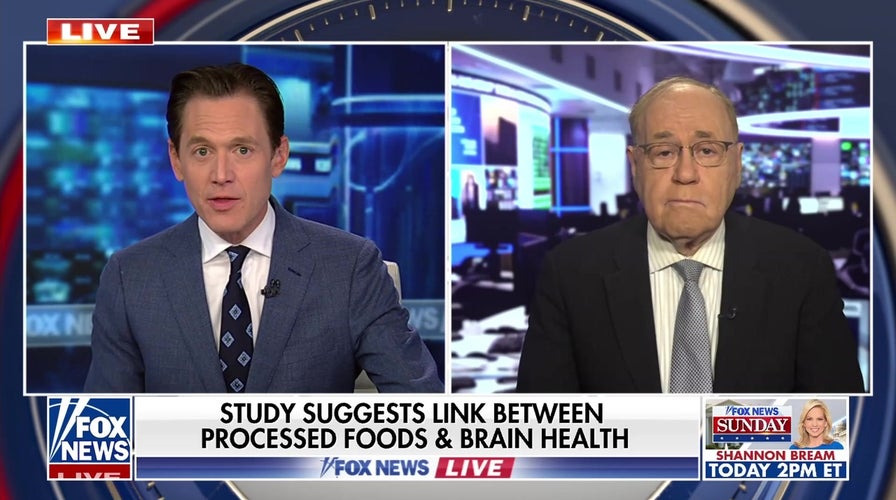
Fox News senior medical analyst Dr. Marc Siegel joins 'Fox News Live' to discuss new concerns stemming from ultra-processed foods and early research into a potential Alzheimer's treatment.
Some foods, drinks and supplements often associated with generally healthy eating may influence hormone levels in limited or extreme circumstances, according to medical experts.
Testosterone levels are shaped by many factors, including diet, exercise, sleep, stress and metabolic health. Certain foods and supplements, however, can impact hormone pathways, Dr. Kyle Gillett, a Kansas physician specializing in family and obesity medicine, said on a recent episode of Dr. Andrew Huberman's "Huberman Lab Essentials."
Gillett said some dietary patterns have a well-documented effect on testosterone levels, particularly when taken to extremes.
MOST TALKED-ABOUT DIET TRENDS OF 2025 — AND HOW THEY RESHAPED AMERICANS' EATING HABITS
"If you're young and healthy, and you don't have metabolic syndrome, then caloric restriction will likely decrease your testosterone," he said.
High amounts of alcohol also lower testosterone, he added.

Diet plays a role in testosterone health, but doctors say overall lifestyle matters most. (iStock)
While individual foods may play a role in certain edge cases, lifestyle factors such as sleep, body composition, stress and physical activity overwhelmingly drive testosterone health for most men, experts say.
"Sleep deprivation, obesity, insulin resistance, acute illness and chronic stress suppress testosterone far more than any single food ever could," Dr. Khameinei Ali, a practicing physician in New York and immediate past president of the Westchester County Medical Society, told Fox News Digital.
EVEN LOW-CALORIE PROCESSED FOOD CAUSES WEIGHT GAIN, TESTOSTERONE LOSS IN MEN, STUDY SUGGESTS
But for those experiencing low energy, reduced sex drive or other hormone-related symptoms, concentrated foods or supplements may worsen the issue, making it worth reassessing diet and lifestyle.
People don't need a diagnosed condition to consider hormone testing, Gillett said — noting that a persistent symptom can be enough to ask a doctor about checking levels.
Experts also highlighted several common foods, drinks and supplements that may be worth watching.
1. Turmeric and curcumin supplements

Doctors warn that high doses of supplements pose a great concern. (iStock)
In theory, men with already low levels of DHT or reduced androgen sensitivity could be more susceptible to effects from highly concentrated turmeric or curcumin supplements, though evidence in humans is limited, said Gillett.
WHAT FOOD SAFETY EXPERTS SAY THEY WON'T ORDER WHEN DINING OUT AT RESTAURANTS
The concerns largely stem from lab research, said Anneliese Cadena, a North Carolina nurse practitioner and clinical advisor for the men's wellness company Feel30.
"Some animal and cell studies have shown a decrease in testosterone at high doses, but those types of studies don't necessarily translate to the same effects in people," she told Fox News Digital.
"In practice, I worry far more about megadose supplements than about someone adding turmeric to their cooking."
Dr. Justin Houman, a urologist at Cedars-Sinai Medical Center in Los Angeles, shared similar concerns about high-potency supplements.
"In practice, I worry far more about megadose supplements than about someone adding turmeric to their cooking," he said.
2. Dairy
Certain milk proteins may influence levels of prolactin, a hormone that can interfere with testosterone production in susceptible individuals, Gillett said.
CLICK HERE TO SIGN UP FOR OUR LIFESTYLE NEWSLETTER
"Prolactin is going to also inhibit the release of testosterone from the pituitary," he said.

Doctors note that dairy typically affects testosterone only in cases of underlying medical conditions. (iStock)
Experts say prolactin usually affects testosterone only when levels are unusually high due to medical issues, not from normal eating habits, and that everyday diet or lifestyle factors aren't known to lower testosterone through prolactin in healthy men.
3. Polyphenol-rich plant foods
"Let's say you have a diet high in plant polyphenols," Gillett said, referring to the compounds found in foods such as green tea and berries.
"Many of those inhibit the enzyme that converts testosterone to DHT."
CLICK HERE FOR MORE LIFESTYLE STORIES
Cadena pointed out that those compounds are generally beneficial when consumed in normal amounts.
"Plant compounds such as polyphenols consistently support metabolic, cardiovascular and even reproductive health when they're part of a balanced diet," she said.
4. Alcohol
Alcohol intake remains one of the clearest diet-related risks for testosterone health, according to experts.

Heavy alcohol consumption remains one of the clearest diet-related risks to testosterone health. (iStock)
"High alcohol will decrease testosterone," Gillett said.
Experts agreed that alcohol's effects are often compounded by its impact on sleep quality, body fat and metabolic health — all of which are closely tied to hormone levels.
CLICK HERE TO DOWNLOAD THE FOX NEWS APP
Regular or heavy drinking has been consistently linked to lower testosterone, Cadena noted, particularly when paired with poor sleep or weight gain.
"We used to think that one or two drinks a day were safe, but we now know there's really no safe dose of alcohol," she said.
5. Ultra-processed foods
Ali said men concerned about testosterone should focus less on individual foods and more on overall diet quality.
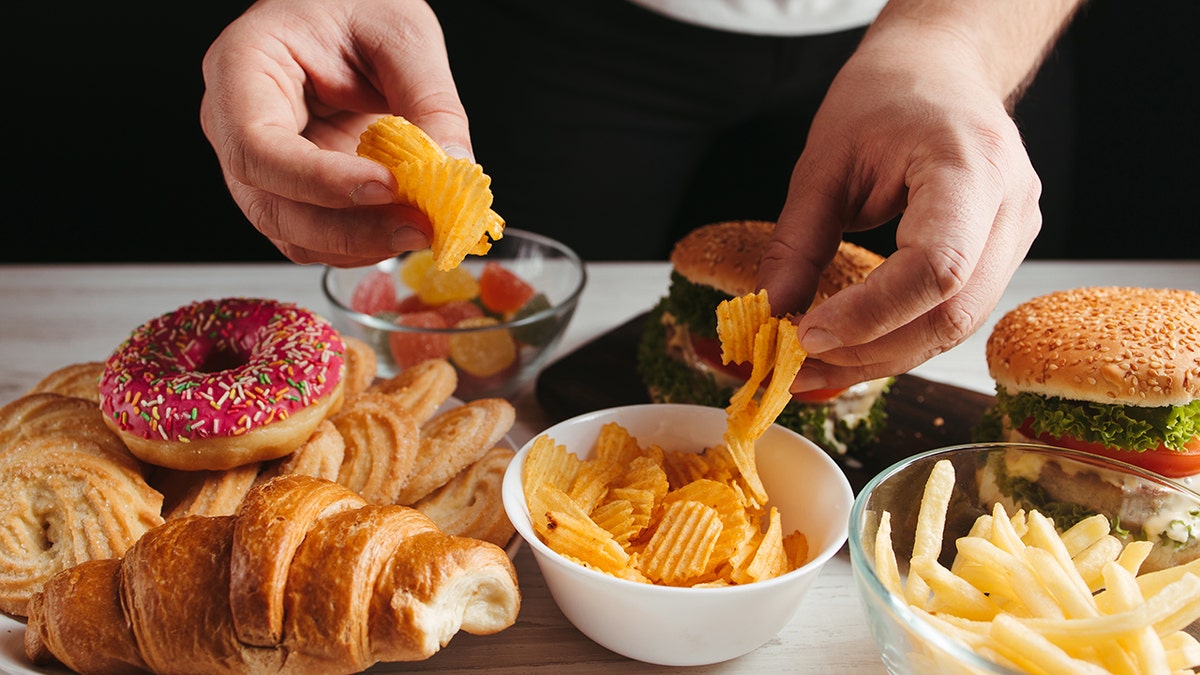
Doctors say ultra-processed foods pose a bigger hormone risk than most individual ingredients. (iStock)
"The bigger concerns are excess alcohol, ultra-processed foods, chronic under-eating and supplements marketed as 'testosterone boosters' without credible evidence or transparent ingredient lists," he said.
Overall, experts stressed that testosterone health is not fragile and that moderation, consistency and metabolic health matter most.
TEST YOURSELF WITH OUR LATEST LIFESTYLE QUIZ
"Most men do not have a food problem," Houman agreed. "They have a sleep, stress, weight or activity problem."
Fox News Digital reached out to Gillett for comment.
