


























FDA commissioner reveals updated food pyramid guidelines: 'Big day for nutrition'
Food and Drug Administration Commissioner Dr. Marty Makary joins ‘Fox & Friends’ to discuss updated dietary guidelines prioritizing protein, fruits and vegetables.
Most people focus on heart health and memory as they age — but experts say another critical factor often gets overlooked: muscle mass, which directly impacts strength, mobility, metabolism and long-term independence.
Adults naturally lose up to 8% of their muscle mass every decade after age 30. It's a progressive decline known as sarcopenia that can accelerate without proper nutrition and resistance training, according to research and geriatric health experts.
Protein is essential for maintaining muscle, and some experts say the current federal recommendation reflects the bare minimum needed to prevent deficiency — not the optimal intake required to preserve strength and function with age.
HEALTHIEST RED MEATS TO EAT — AND HOW A CARDIOLOGIST SAYS TO PREPARE THEM
The Recommended Dietary Allowance (RDA) for protein is 0.8 grams per kilogram of body weight per day — about 60 grams for a 165-pound adult.
"The RDA of 0.8 grams per kilogram per day was established primarily to prevent muscle wasting and deficiency in younger adults," said Dr. James J. Chao, co-founder and chief medical officer at VedaNu Wellness in San Diego. "It was never intended to be an optimization target for adults over the age of 50."

Experts say maintaining muscle after age 50 may require eating more protein than the minimum federal guideline. (iStock)
As people get older, muscles become less responsive to protein, a phenomenon known as anabolic resistance, Chao told Fox News Digital.
"Past your 50s, your muscles are much less sensitive to protein consumption than they once were," Chao said. "Your body requires a larger dose of protein per meal to experience the same muscle building benefits that you did in your 20s and 30s."
OLDER ADULTS GAIN MUSCLE POWER WITH DAILY SERVINGS OF EVERYDAY SNACK, STUDY FINDS
Because of this shift, experts suggest older adults may benefit from at least 1.2 grams of protein per kilogram of body weight daily — particularly those who are physically active, recovering from illness or trying to prevent further muscle loss.
The latest Dietary Guidelines for Americans, 2025–2030, released in January by the U.S. Departments of Health and Human Services and Agriculture, increased the recommendation to 1.2–1.6 grams of protein per kilogram of body weight per day, depending on individual caloric requirements.
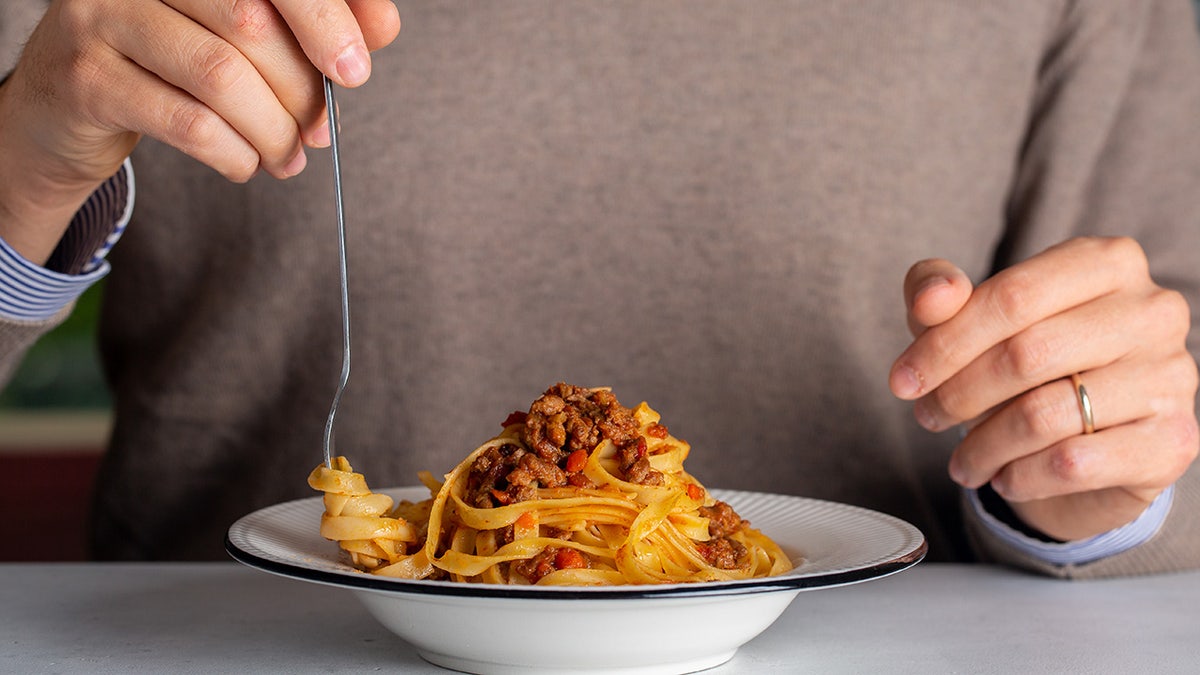
Many adults eat most of their protein at dinner and too little at breakfast, experts say. (iStock)
"Prioritize high-quality, nutrient-dense protein foods as part of a healthy dietary pattern," the guidelines advise.
For a 150-pound adult, that could translate to roughly 75 to 100 grams of protein per day.
CLICK HERE TO SIGN UP FOR OUR LIFESTYLE NEWSLETTER
And women may have additional needs post-menopause.
"After menopause, women experience accelerated muscle loss due to declining estrogen," said Alison Bladh, a Swedish nutritionist and women's hormone health expert.
"Postmenopausal women may benefit from intakes at the higher end of the recommended range, particularly if resistance training is not part of their routine," Bladh told Fox News Digital.

After menopause, women may experience accelerated muscle loss. (iStock)
Research suggests that simply upping protein may not be enough; rather, timing and distribution throughout the day also play a role in stimulating muscle repair and growth.
Many people consume most of their protein at dinner and lack it in their breakfasts, experts say.
General recommendations are to consume 15 to 30 grams of protein at each meal rather than packing it into one sitting.
CLICK HERE FOR MORE LIFESTYLE STORIES
Experts also recommend meeting protein needs primarily through whole foods.
The American Heart Association advises choosing plant-based proteins such as legumes, nuts, lentils and soy products more often, along with fish and lean poultry, while limiting processed and high-saturated-fat meats.
Protein supplements can be appropriate for those with busy schedules or higher needs, but they should not regularly replace whole-food meals, according to UCLA Health.
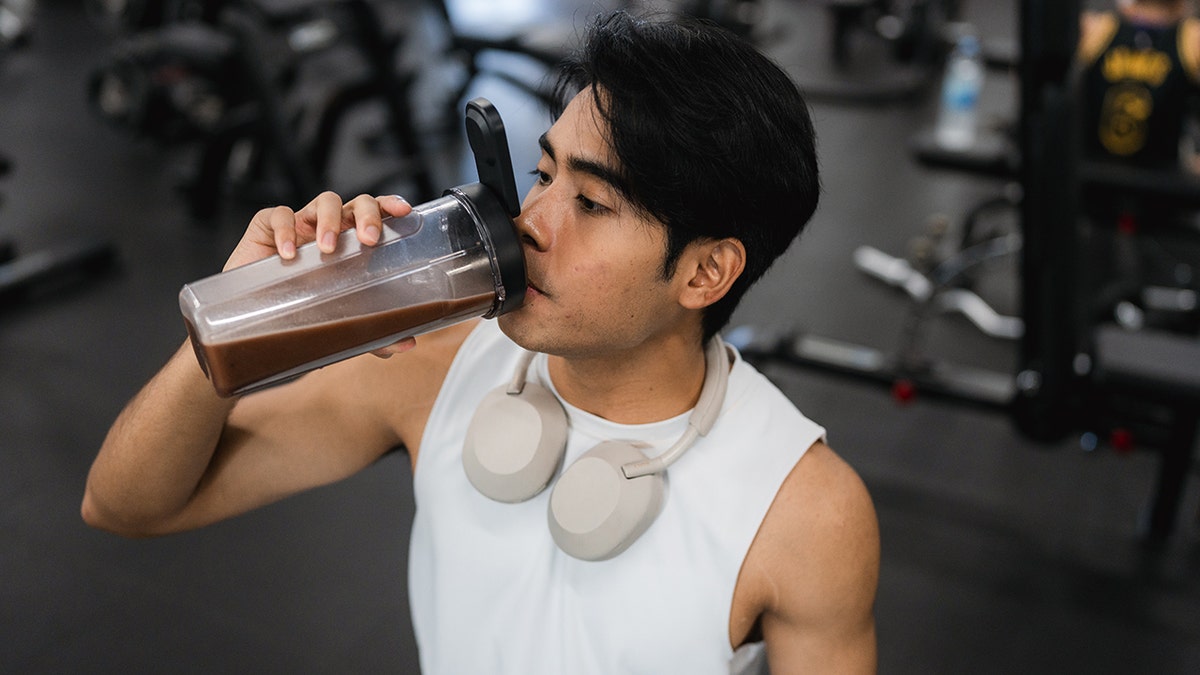
While older adults may need more protein, most middle-aged men already meet basic daily targets. (iStock)
Simple upgrades can help, according to Bladh. Breakfast options include Greek yogurt with seeds, eggs paired with yogurt, a protein smoothie made with milk or soy milk, or cottage cheese with fruit.
For lunch and dinner, she suggests building meals around a solid protein source, such as chicken or turkey wraps, tuna with beans or quinoa, lentil soup with an egg, tofu or tempeh stir-fries, or salmon or lean meat with vegetables.
TEST YOURSELF WITH OUR LATEST LIFESTYLE QUIZ
To add an extra 10 to 15 grams, she recommends snacks like edamame, hummus with chickpeas or a handful of nuts.
More is not always better, experts warn. Most people in the U.S. meet or exceed their baseline protein needs, especially men ages 19 to 59, according to federal dietary data.

Resistance training combined with eating adequate protein helps preserve muscle. (iStock)
Healthy adults can generally consume up to about 2 grams of protein per kilogram of body weight safely — about 135 grams per day for a 150-pound adult — according to UCLA Health.
Individuals with chronic kidney disease, however, should speak with a health-care provider before increasing protein intake.
CLICK HERE TO DOWNLOAD THE FOX NEWS APP
And it's important to remember that protein alone does not build muscle, experts note.
"Exercise and protein work synergistically," Chao said. "Without sufficient protein, the muscle-building stimulus of exercise is blunted."
