























Fox News Flash top headlines for January 2
Fox News Flash top headlines are here. Check out what's clicking on FoxNews.com.
Ted Maher was convicted of setting the 1999 Monaco penthouse fire that killed billionaire Edmond Safra, but his criminal story didn’t end there.
From staged heroics and shifting identities to a later murder-for-hire plot against his wife, a crime expert says Maher’s long arc offers rare insight into how certain offenders escalate rather than reform.
According to former FBI special agent Jason Pack, Maher’s behavior reflects a recognizable pattern among offenders who manufacture crises, seek control and continue deceiving long after their first crime is exposed.
Maher, an American who said he had been a Green Beret, was a private nurse hired to care for Safra when a fire broke out inside Safra’s heavily secured Monaco penthouse in the early hours of Dec. 3, 1999. Safra and another nurse, Vivian Torrente, died of smoke inhalation after locking themselves inside a bathroom believed to double as a safe room.
BRIAN WALSHE CONVICTED OF MURDERING WIFE AFTER NEW YEAR'S DAY DISAPPEARANCE
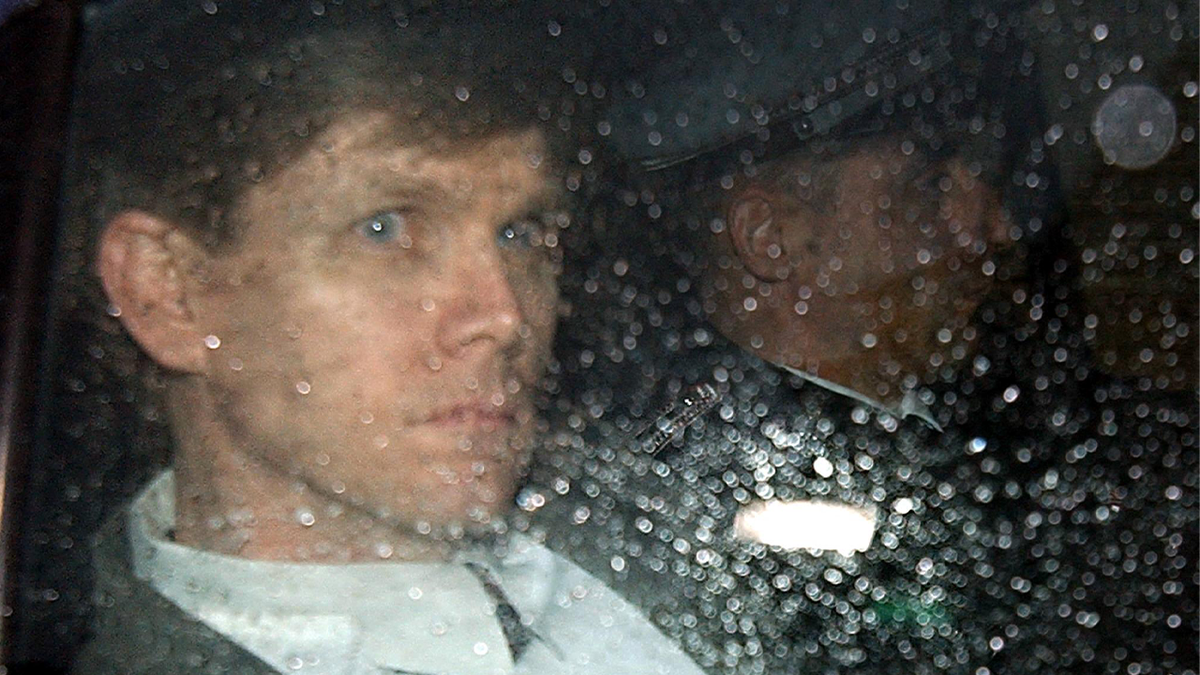
U.S. nurse Ted Maher arrives in a police car at the court in Monaco on Nov. 21, 2002, to attend his trial on charges that he started the 1999 arson attack that killed billionaire banker Edmond Safra. (Pascal Guyot/AFP via Getty Images)
Maher survived and initially told authorities that two hooded intruders armed with knives had broken into the apartment — a claim Monaco officials later said could not be corroborated, according to The New York Times.
After days of conflicting accounts, Maher admitted to police that he had set the fire himself by igniting a wastepaper basket, Monaco’s chief prosecutor Daniel Serdet said at the time, The Times reported. Maher told investigators he did not intend to kill anyone and said he had fabricated the intruder story to "draw attention to himself," Serdet said.
Serdet told reporters Maher was jealous of Safra’s seven other nurses and hoped to win his employer’s approval by staging a rescue. "He wanted to be a hero," Serdet said, according to The Times.
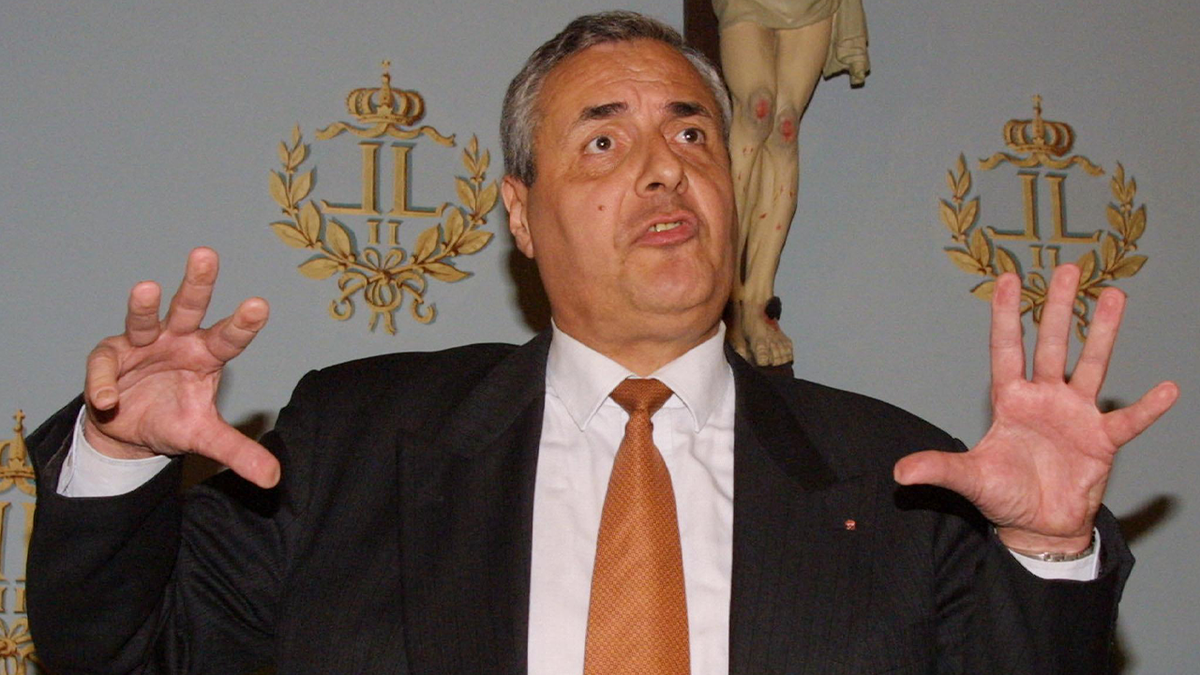
Public Prosecutor Daniel Serdet spoke to journalists on Jan. 22, 2003, at the Palace of Justice in Monaco, following the escape of Ted Maher and his Italian cellmate, Luigi Ciardelli. Maher, the American nurse sentenced to 10 years in prison for starting the fire that killed Lebanese banker Edmond Safra and his nurse, was apprehended alone a few hours after his escape. (Vanina Lucchesi/AFP via Getty Images)
Investigators said Maher slashed himself twice with his own knife — once in the thigh and once in the stomach — before seeking help from the building’s concierge, The Times reported. Officials said Safra and Torrente could have escaped the fire but remained inside the locked bathroom because Safra feared attackers were still inside the apartment.
Safra’s death stunned the world of international banking and sparked widespread speculation about whether he had been targeted because of his business dealings. Newspapers around the world theorized that Safra, a Lebanese-born banker, may have been killed because of his financial relationships, including dealings involving Russian investors, The Times reported.
Investigators ultimately rejected those theories. Serdet said Maher acted alone and that there was "no complicated intrigue" behind the fire, according to The Times.
The fire came at a pivotal moment in Safra's life. According to The Times, he suffered from Parkinson’s disease and was preparing to retire as a deal to sell his banking empire, including Republic National Bank of New York, neared completion.
ALEX MURDAUGH SLAMS NEW TRUE-CRIME SERIES DEPICTING FAMILY'S DOUBLE MURDER: 'MISLEADING PORTRAYALS'
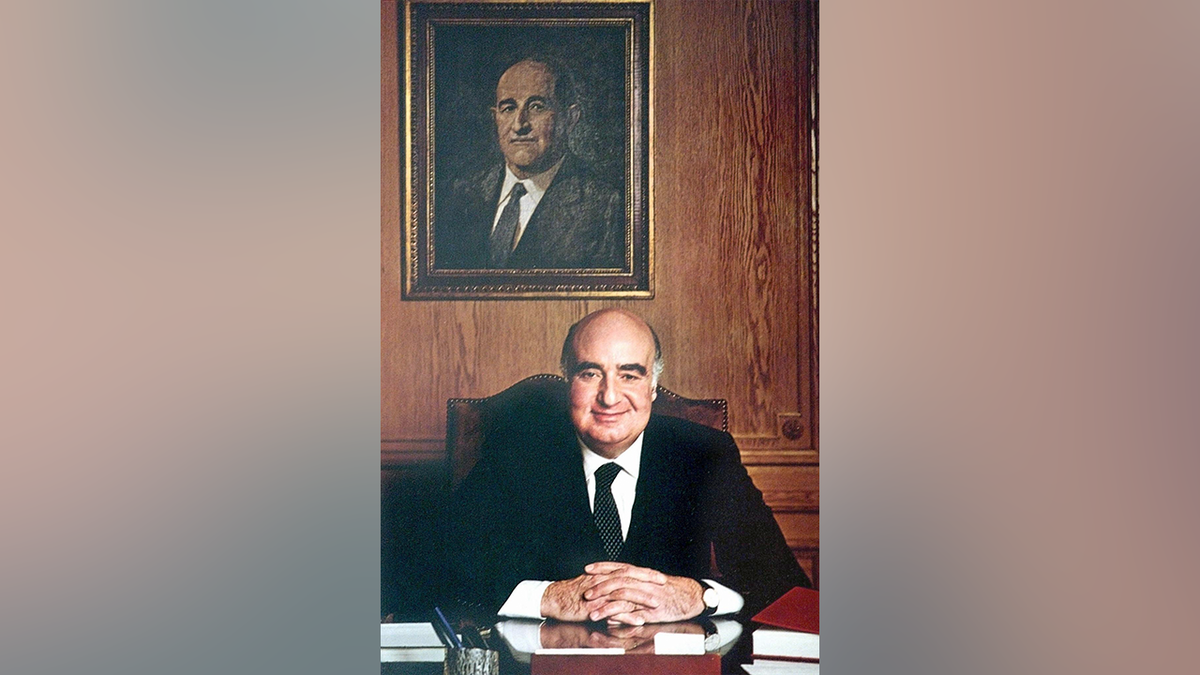
Portrait of Lebanese-born Brazilian banker and financier Edmond Safra as he sits behind his desk in the 1990s. The painting on the wall shows his father, Jacob Safra. (Agence France Presse/Getty Images)
His death marked the loss of far more than a banking titan. He was not only one of the world’s wealthiest bankers, but a major global philanthropist whose foundation has funded education, medical research, humanitarian aid and religious institutions across more than 40 countries — a legacy that continues decades after his death.
According to The Times, Safra believed he had powerful enemies, a concern fueled by his banking career and cooperation with U.S. authorities, which contributed to the intense security measures inside the Monaco penthouse.
Safra’s security concerns were rooted in real events, according to Vanity Fair. Dominick Dunne, who wrote extensively about the case, said Safra had alerted U.S. authorities to Russian organized crime activity tied to his banking business — a move that left him deeply fearful.
"He turned in the Russian mafia to the FBI," Dunne told "48 Hours." "He became very paranoid about his safety."
Pack said that environment is critical to understanding how Maher’s original story took hold. In his view, Maher tailored his intruder narrative to fit Safra’s fears, making the account initially plausible to investigators and the public.
"When a man spends decades trying to sell a ‘hero’ story," Pack said, "you eventually have to stop listening to the music and start looking at the math."
A new Netflix documentary, "Murder in Monaco," has revived interest in the case and Maher’s claims of innocence. But Pack said the most revealing evidence lies not in revisiting that night in 1999, but in the decades of conduct that followed.
Pack said Maher’s conduct since the Monaco case further undermines his claims of being a coerced or misunderstood figure.
In 2002, Maher was convicted of arson causing death and sentenced to 10 years in prison. After serving roughly eight years in prison, he returned to the United States, changed his name and later became entangled in additional crimes.
KAREN READ'S TRUE-CRIME DOCUMENTARIES MAY IMPACT SECOND TRIAL: COURT DOCS
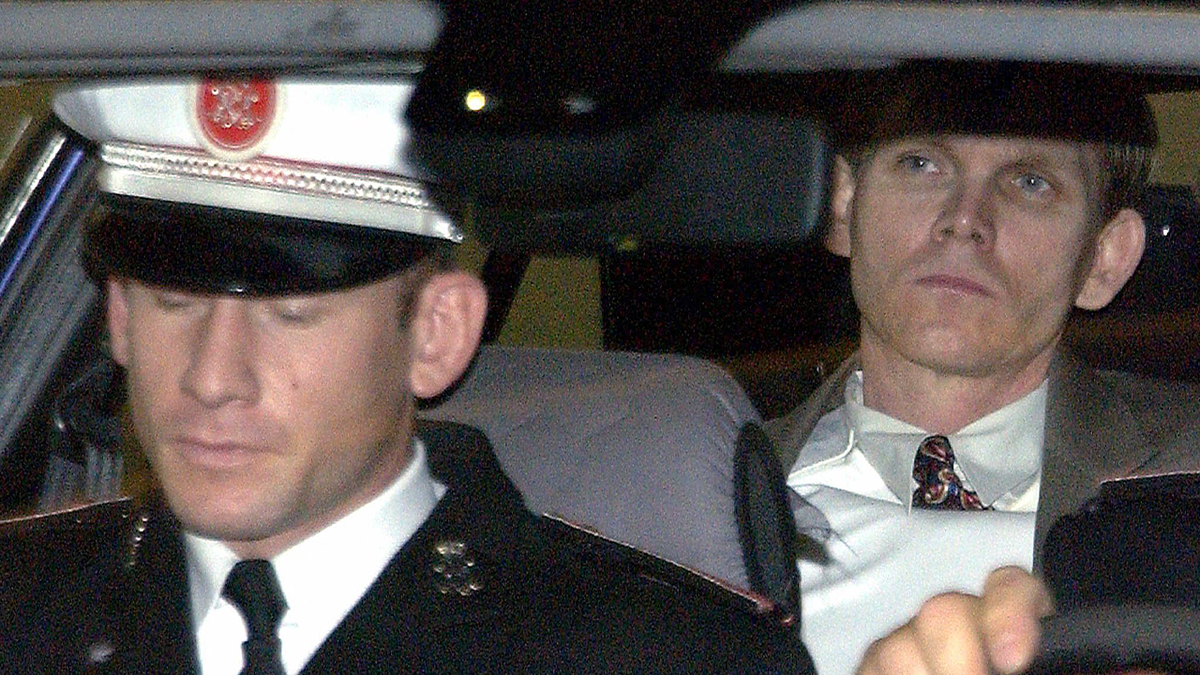
Ted Maher, a former U.S. soldier, arrives at the courthouse of Monaco on Nov. 21, 2002, for the start of his trial in the 1999 arson attack that killed billionaire banker Edmond Safra. (Pascal Guyot/AFP via Getty Images)
In 2025, Maher was convicted in New Mexico of soliciting the murder of his estranged wife in a plot prosecutors said involved staging her death as a fentanyl overdose.
"You don’t go from ‘misunderstood hero’ to ‘murder-for-hire’ by accident," Pack said. "That kind of behavior reveals a consistent operational mode."
Pack described what he called a pattern of staged crises and deception. In Monaco, he said, Maher manufactured a fire to engineer a heroic rescue. Decades later, prosecutors said he plotted another staged event, this time with lethal intent to gain financially.
Pack also pointed to Maher’s decision to reinvent himself under a new name after prison as further evidence of deception rather than rehabilitation.
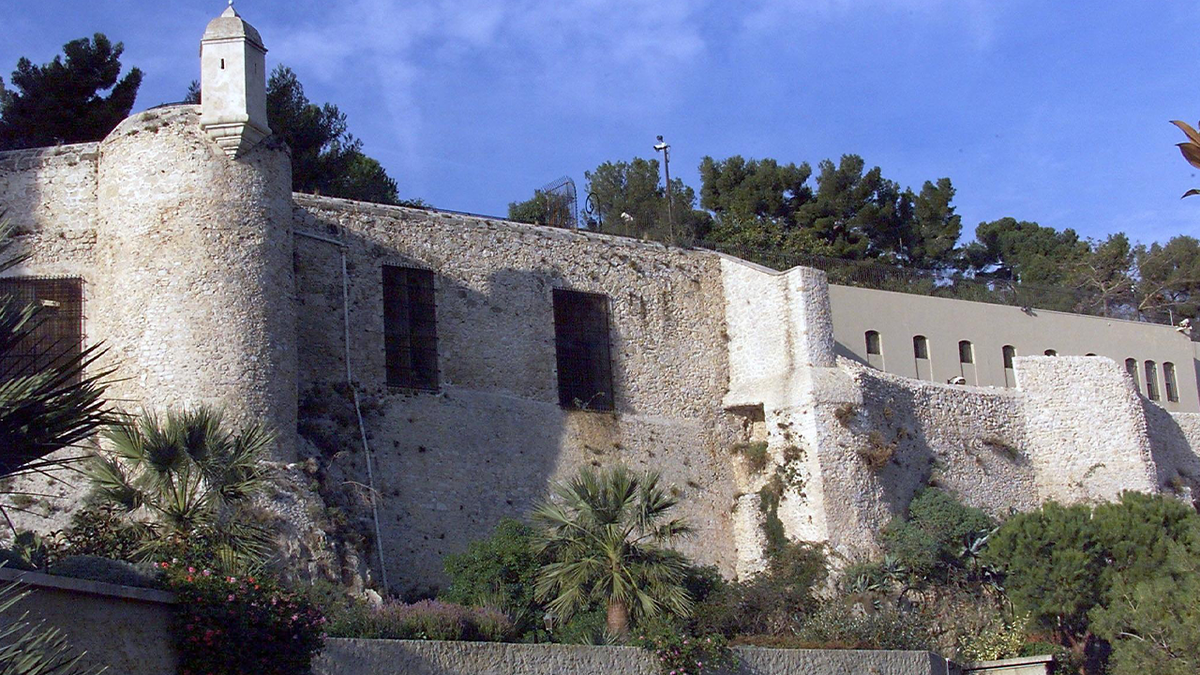
General view taken Dec. 8, 1999, of the prison of Monaco where the American nurse of late billionaire banker Edmond Safra, Ted Maher, was detained after he was charged with arson causing death. Maher, who had been employed by Safra for five months, had told investigators he had fabricated a story in which armed intruders stabbed him and then set fire to the banker's penthouse. (Pascal Guyot/AFP via Getty Images)
"When someone changes his identity to escape his past, that conduct defines his character," Pack said.
Maher has claimed for years that his confession in Monaco was coerced. But Pack said Maher’s later actions severely undercut that narrative.
"It’s easy to blame a foreign police force when you’re the only one talking," Pack said. "But when you’re caught orchestrating a murder from a jail cell in New Mexico, the victim story is finished."
Maher is currently incarcerated in New Mexico and has reportedly been dealing with late-stage throat cancer. Pack said that while only Maher knows exactly what happened in Monaco, his subsequent behavior provides a clearer picture than any reenactment.
CLICK HERE TO DOWNLOAD THE FOX NEWS APP
"If you want to understand who Ted Maher is," Pack said, "don’t look at a documentary. Look at the sentencing report."
Stepheny Price covers crime, including missing persons, homicides and migrant crime. Send story tips to stepheny.price@fox.com.
