






















Inside the shocking way scammers use AI to commit tax identity theft
LexisNexis Special Services CEO Haywood Talcove calls out the 'cyber terrorists' for attacking the U.S. on 'Fox News Live.'
More people are running into ID.me when trying to access government services, and it can raise questions right away. Dave from Richardson, TX, recently emailed us after seeing it required across several federal sites.
"US gov't. sites asking to use ID.me for logon verification. VA.gov, SSA.gov and Medicare.gov, for example. Is ID.me safe to use?"
It is a fair question, especially when you are being asked to hand over sensitive personal information. Here is what you need to know before you decide to use it.
Sign up for my FREE CyberGuy Report
- Get my best tech tips, urgent security alerts and exclusive deals delivered straight to your inbox.
- For simple, real-world ways to spot scams early and stay protected, visit CyberGuy.com - trusted by millions who watch CyberGuy on TV daily.
- Plus, you'll get instant access to my Ultimate Scam Survival Guide free when you join.
BIOMETRIC IRIS SCANNING LAUNCHES IN US CITIES FOR DIGITAL IDENTITY

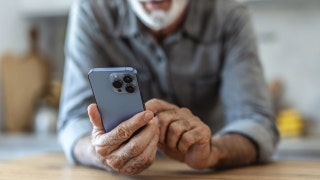
ID.me may ask users to upload a driver’s license, passport, Social Security number or selfie to verify their identity. (PixelsEffect/Getty Images)
What ID.me actually is
ID.me is a private identity verification company. It helps confirm that you are really you before letting you access certain services.
You will see it on sites tied to agencies like the Social Security Administration and the U.S. Department of Veterans Affairs.
Instead of each agency verifying your identity separately, ID.me acts as a middle layer. Once you verify your identity, you can use that login across multiple services.
Why ID.me is considered safe
There are a few reasons ID.me has become so widely used.
It meets federal standards
ID.me complies with strict identity verification requirements used by government agencies. These standards are designed for handling sensitive data like benefits and tax information.
It uses strong security protections
The platform uses encryption and monitoring systems to protect your data. That includes secure storage and safeguards against unauthorized access.
It is built to prevent fraud
Identity theft and account takeovers are a growing problem. ID.me is designed to stop someone else from pretending to be you and accessing your benefits.
It is widely adopted
Major federal agencies rely on it. That level of adoption does not happen without passing multiple security checks.
3 things you should think about before using it
This is where you need to pay attention.
1) It isn’t a government agency
Even though you see it on government websites, ID.me is a private company. That matters because your data is being handled by a third party.
2) You may need to upload sensitive information
Depending on the service, you might be asked for:
- A driver's license or passport
- Your Social Security number
- A selfie or video for facial verification
That is a lot of personal data in one place.
3) Privacy concerns do exist
Some experts have raised concerns about:
- Facial recognition technology
- Centralized storage of identity data
- How long is the data kept
ID.me says it protects this information, but it is still worth being aware of the tradeoff.
ID.me vs Login.gov: What's the difference?
You may also see Login.gov as an option on some sites.
Here is the key difference:
- ID.me may require biometric verification, like a selfie
- Login.gov is run by the government and often avoids facial recognition
Both are secure. The choice often comes down to convenience versus how much personal data you are comfortable sharing.
Why scammers love using ID.me as bait
Here is the part most people do not expect. ID.me itself isn’t a scam. The problem is that scammers know people trust it. That makes it a perfect disguise.
Common ID.me-related scams to watch for
Because ID.me is widely trusted, it has become a target for scammers trying to fool you. Scammers rely on urgency, fear and trust to get you to act quickly without thinking.
STOP DATA BROKERS FROM SELLING YOUR INFORMATION ONLINE

ID.me is a private identity verification company used by several federal agencies to help users access sensitive government services online. (Kurt "CyberGuy" Knutsson)
Fake "verify your account" messages
You might get an email or text that looks official.
It could say:
- Your benefits are on hold
- You need to verify your identity now
The link takes you to a fake login page that looks almost identical to the real one. Real ID.me emails come from an @id.me address. Be cautious of anything using lookalike domains like @idme.com or other variations. If you receive a password reset email you didn't request, it could be a sign someone is trying to access your account.
Fake ID.me text messages
Scammers also send text messages that look like they are from ID.me, often using verification codes or security alerts to gain your trust.
They might say:
- "Your verification code is 123456. If this wasn't you, click here."
- "Suspicious activity detected. Secure your account now."
The link can take you to a fake login page designed to steal your information.
Phony support calls
Someone claims to be from ID.me or a government agency. They might say there is suspicious activity or a problem with your account. Then they ask for your Social Security number or a verification code. That is a red flag.
No legitimate support team will ask for that information. ID.me will never ask for your password or multi-factor authentication code, even if someone claims to be support. No legitimate service will offer to set up your ID.me account for you or complete verification on your behalf.
Lookalike websites
Scammers create fake sites that mimic the real login page.
Watch for:
- Slightly misspelled web addresses
- Extra words in the URL
- Missing security indicators in your browser
The official ID.me website always ends in .me, not .com or other variations.
Account takeover attempts
If your data has been exposed in a breach, attackers may try to reset your account or intercept verification codes.
Fake or incomplete verification requests
Real ID.me verification requires creating a full account, uploading documents and sometimes completing additional steps.
Be cautious if someone only asks for a selfie, a quick video call or partial information without the full process, since scammers may try to create an account in your name.
YOU COULD BE SHARING YOUR SOCIAL SECURITY NUMBER WHEN YOU DON'T NEED TO
Scammers often impersonate ID.me through fake emails, texts and lookalike websites designed to steal personal information. (Kurt "CyberGuy" Knutsson)
How to protect yourself from ID.me scams
If you plan to use ID.me, a few simple habits can go a long way in keeping your information safe and out of the wrong hands.
1) Go directly to the source
Type the website yourself instead of clicking links in emails or texts. Start from an official .gov site like the Social Security Administration or the U.S. Department of Veterans Affairs, then log in from there.
2) Turn on strong security
Enable multi-factor authentication on your account. Use an authenticator app when possible instead of relying only on text messages, since those can be intercepted in some attacks.
3) Reduce your exposure with a data removal service
Much of what scammers use starts with personal data found online. A data removal service can help remove your information from data broker sites, making it harder for criminals to piece together enough details to target you in the first place. Check out my top picks for data removal services and get a free scan to find out if your personal information is already out on the web by visiting Cyberguy.com.
4) Never share verification codes
No legitimate agency or company will ask for your one-time verification code or password. If someone asks for it, that is a scam.
5) Slow down when you feel pressure
Scammers try to create urgency with messages like "act now" or "your benefits will be suspended." Real government agencies do not rush you like that in a single message.
6) Check the URL carefully
Before entering any information, make sure you are on the official ID.me website or a trusted .gov page. Look for correct spelling, a secure connection and no extra words in the web address.
7) Use strong antivirus software
Strong antivirus software can help block malicious links, detect fake websites and warn you before you enter sensitive information. It adds another layer of protection if you accidentally click a suspicious link. Get my picks for the best 2026 antivirus protection winners for your Windows, Mac, Android & iOS devices at Cyberguy.com.
8) Keep an eye on your accounts
Check your accounts regularly for unusual activity, especially after verifying your identity. The sooner you spot something off, the faster you can take action.
Kurt's key takeaways
ID.me is a legitimate and secure tool used across the U.S. government. For most people, it is safe to use and is often required to access important services. At the same time, it asks for more personal data than many people expect. That makes it worth approaching with awareness instead of blind trust. The bigger risk usually comes from scammers pretending to be ID.me, not the platform itself. If you stay alert, use strong security settings and go directly to official websites, you can use it without putting yourself at unnecessary risk.
CLICK HERE TO DOWNLOAD THE FOX NEWS APP
As more services move toward strict identity verification, how much personal data are you willing to trade for convenience and security? Let us know by writing to us at Cyberguy.com
Sign up for my FREE CyberGuy Report
- Get my best tech tips, urgent security alerts and exclusive deals delivered straight to your inbox.
- For simple, real-world ways to spot scams early and stay protected, visit CyberGuy.com - trusted by millions who watch CyberGuy on TV daily.
- Plus, you'll get instant access to my Ultimate Scam Survival Guide free when you join.
Copyright 2026 CyberGuy.com. All rights reserved.
