


































Eating 2 cans of beans a day transformed TikToker's health, she says: 'Really amazing'
TikTok user Koya Simpson says eating two cans of beans a day has curbed her appetite, eased anxiety and boosted her workouts and mood.
Archaeologists in Italy recently unearthed preserved food remains in ancient Pompeii that reveal what enslaved people ate before the eruption of Mount Vesuvius — including beans and fruit.
In a Facebook post in early December, the Pompeii Archaeological Park said its archaeologists found food remains in the slave quarters of the Civita Giuliana villa.
The artifacts included a large basket of fruit filled with "pears, apples or sorbs," the post said, along with amphorae full of fava beans.
SCIENTISTS REVEAL HOW YOUR FAVORITE SODA COULD QUIETLY MESS WITH YOUR MOOD
The food was found in the slave quarters of the villa, beneath the modern road Via Giuliana.
"These foods served as nutritional supplements for the enslaved men, women and children who lived in 16-square-meter cells, each containing up to three beds," the park said in a translated statement.
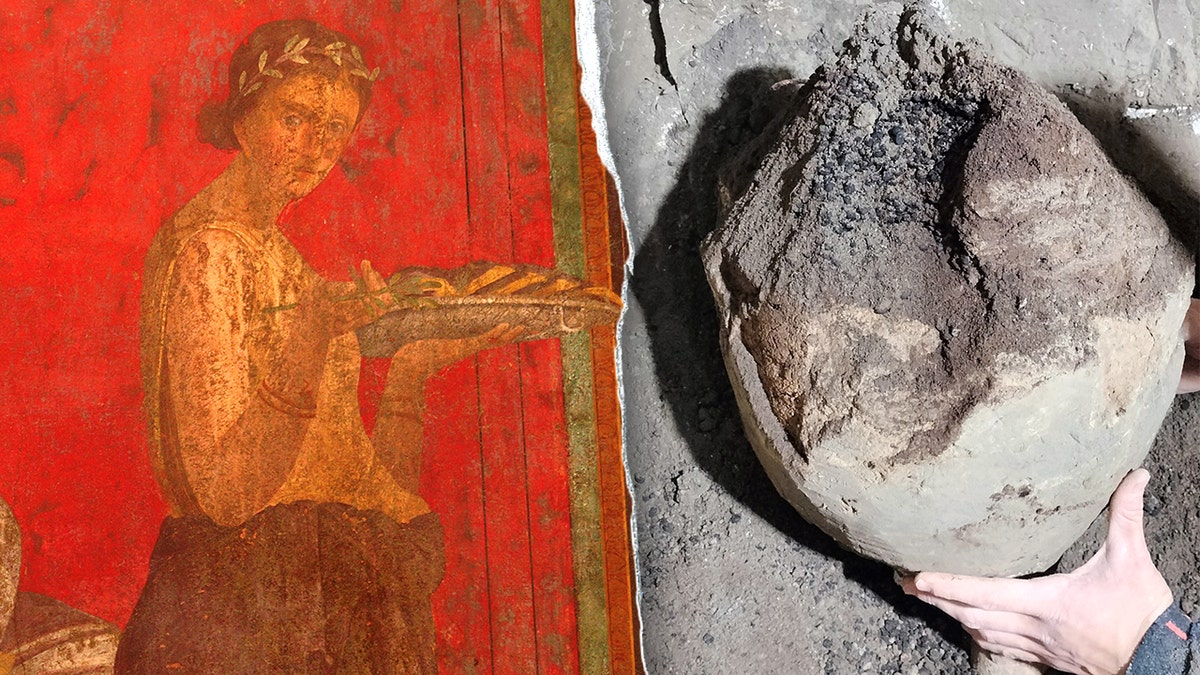
Archaeologists in Pompeii uncovered ancient food remains in slave quarters buried by the eruption of Mount Vesuvius. A depiction of a slave in Pompeii is seen at left. (Raphael GAILLARDE/Gamma-Rapho via Getty Images; Pompeii Archaeological Park via Facebook)
"As high-value 'production tools,' some worth several thousand sesterces [ancient Roman coins], owners apparently saw fit to enrich these workers' grain-based diets with vitamin-rich fruits and protein-rich legumes."
Experts estimate that the 50 workers who lived in the slave quarters — the largest known in the area — needed about 40,785 pounds of grain per year.
CLICK HERE TO SIGN UP FOR OUR LIFESTYLE NEWSLETTER
In a surprising contrast, the food provided to enslaved people was more nutritious than what had been found among their "free" counterparts, the park said.
"To prevent malnutrition-related illnesses and ensure maximum productivity, dietary supplements were essential," the study noted.
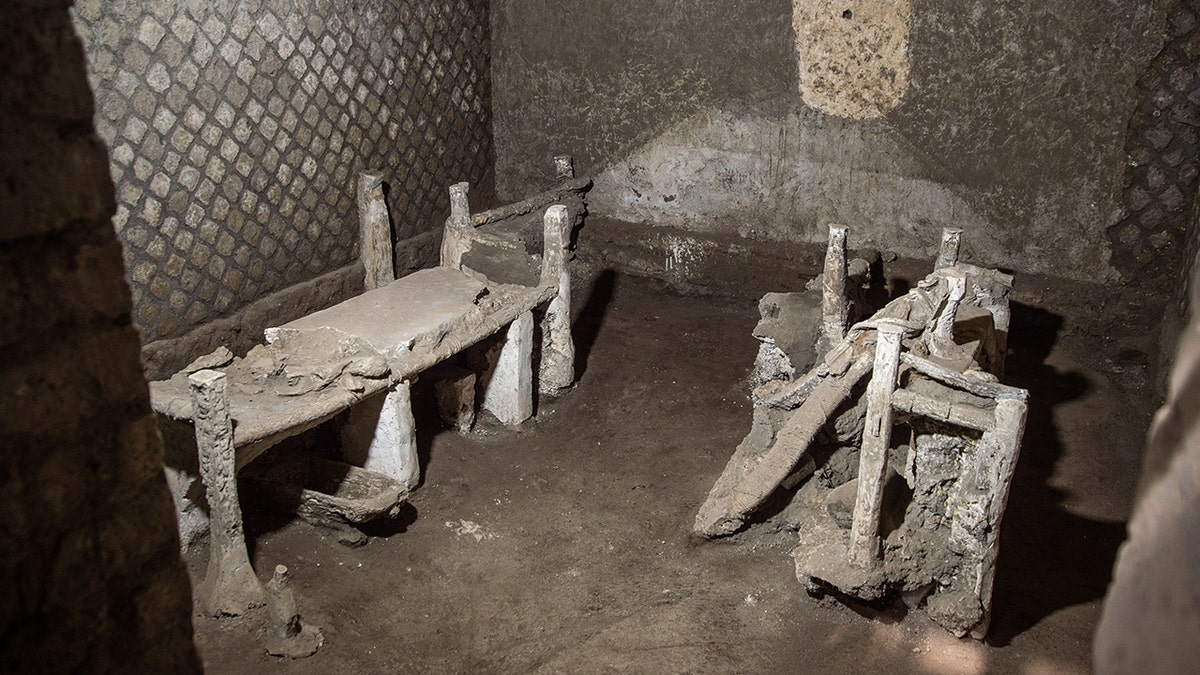
The villa's slave quarters, the largest in the region, housed dozens of workers in tightly packed rooms. (Pompeii Archaeological Park via Facebook)
"As a result, some slaves may have been better nourished than legally free citizens who struggled to meet basic needs and relied on handouts from the city's elite."
Regarding why the food was found on the upper floor — park officials identified two possible reasons.
CLICK HERE FOR MORE LIFESTYLE STORIES
"First, to protect it from pests like rodents," the park's statement read. "Since 2023, remains of mice and rats have been found in the lower-level slave quarters, which had only dirt floors."
It went on, "Second, it likely allowed for rationing and control based on task, age or gender. Food storage upstairs may have been overseen by trusted slaves who supervised others — an arrangement previously reconstructed from earlier studies of the same slave quarters."
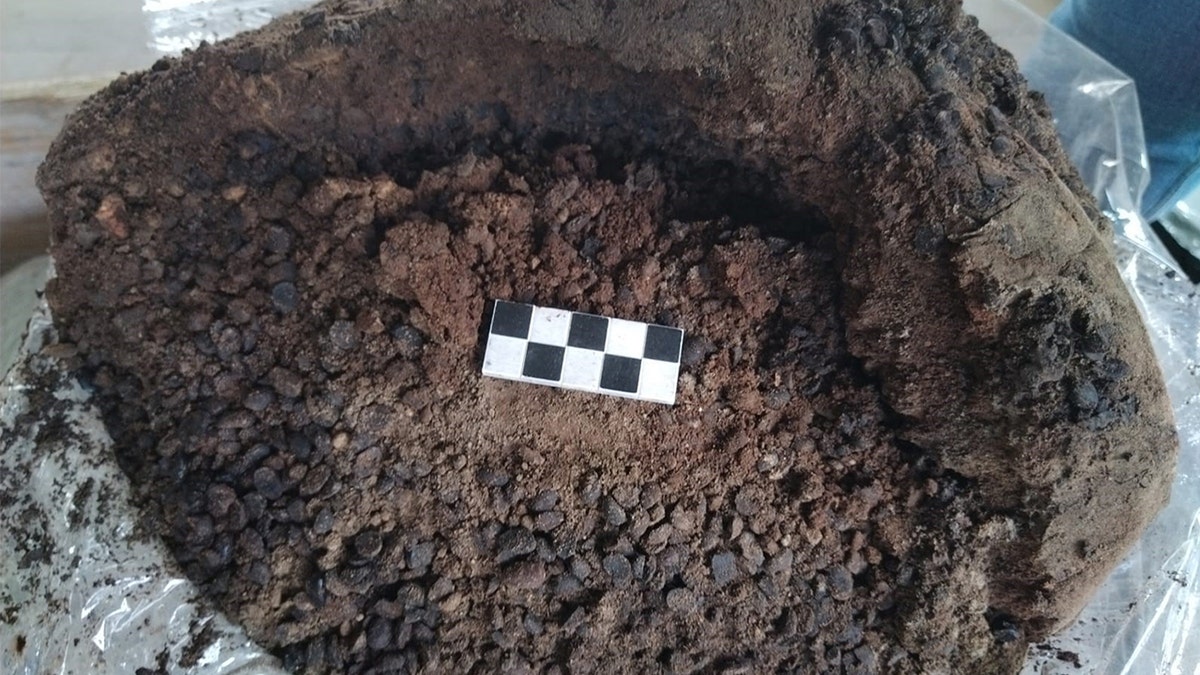
Archaeologists recovered amphorae filled with legumes and fruit baskets stored in the upper levels of a Pompeii villa's slave quarters. (Pompeii Archaeological Park via Facebook)
In a statement, park director Gabriel Zuchtriegel said the revelations highlight "the absurdity of the ancient slave system."
"Human beings were treated like tools, like machines, but humanity isn't so easily erased," said Zuchtriegel, who also co-authored the study.
TEST YOURSELF WITH OUR LATEST LIFESTYLE QUIZ
"The boundary between slave and free constantly blurred. We breathe the same air, eat the same food — and sometimes the enslaved were better fed than the so-called free. That's why thinkers like Seneca or Saint Paul could imagine that we're all slaves in some way — or all free, at least in spirit."
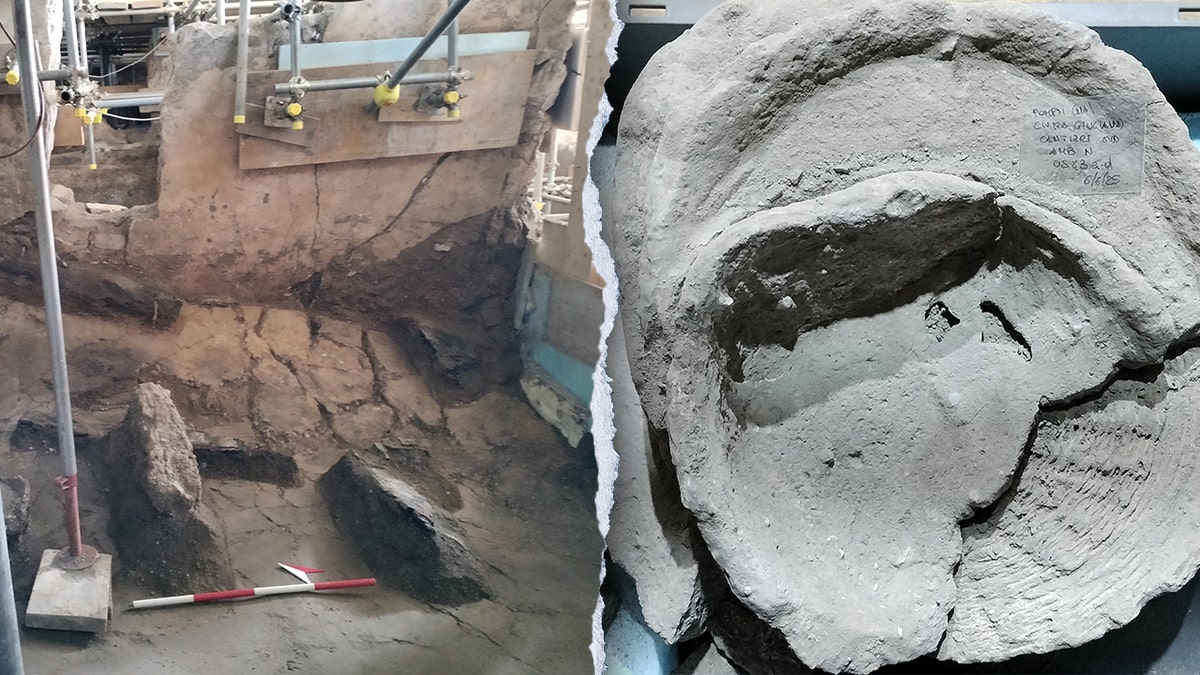
"Human beings were treated like tools, like machines, but humanity isn't so easily erased," the study's co-author said. (Pompeii Archaeological Park via Facebook)
The study represents one of several intriguing discoveries about ancient Roman food uncovered by scholars in 2025.
Earlier this year, a study was published about garum, a fish sauce popular across the Roman Empire.
CLICK HERE TO GET THE FOX NEWS APP
Another study found that ordinary ancient Romans ate "luxury" meat at fast-food shops, challenging previous assumptions.
