
























Steak 'n Shake names first-ever chief MAHA officer
Steak 'n Shake chief MAHA officer Michael Boes comments on dietary guidelines and their origins as well as his brand-new role on 'My View with Lara Trump.'
Late-night fast food and 24-hour dining — once staples of American convenience — have shrunk dramatically in recent years, though some chains are beginning to expand overnight hours again.
Across the country, fewer chains are keeping locations open overnight, a shift that began during the COVID-19 pandemic and never fully reversed.
Restaurant sales plunged 47% in April 2020 from a year earlier, forcing operators to cut hours and reduce costs, according to U.S. Department of Agriculture (USDA) data cited by Tasting Table.
Years later, many of those reduced schedules remain in place.
MCDONALD'S $2.50 MCDOUBLE SPARKS BACKLASH AS AMERICANS SAY FAST FOOD IS NO LONGER CHEAP
Between 2020 and 2024, the number of restaurants offering 24-hour service declined by 18%, according to Yelp data.
"The underlying consumer demand just isn't there the way it was pre-pandemic," David Henkes, senior principal and head of strategic partnerships for Chicago-based Technomic, a food service consultancy firm, told Fox News Digital.
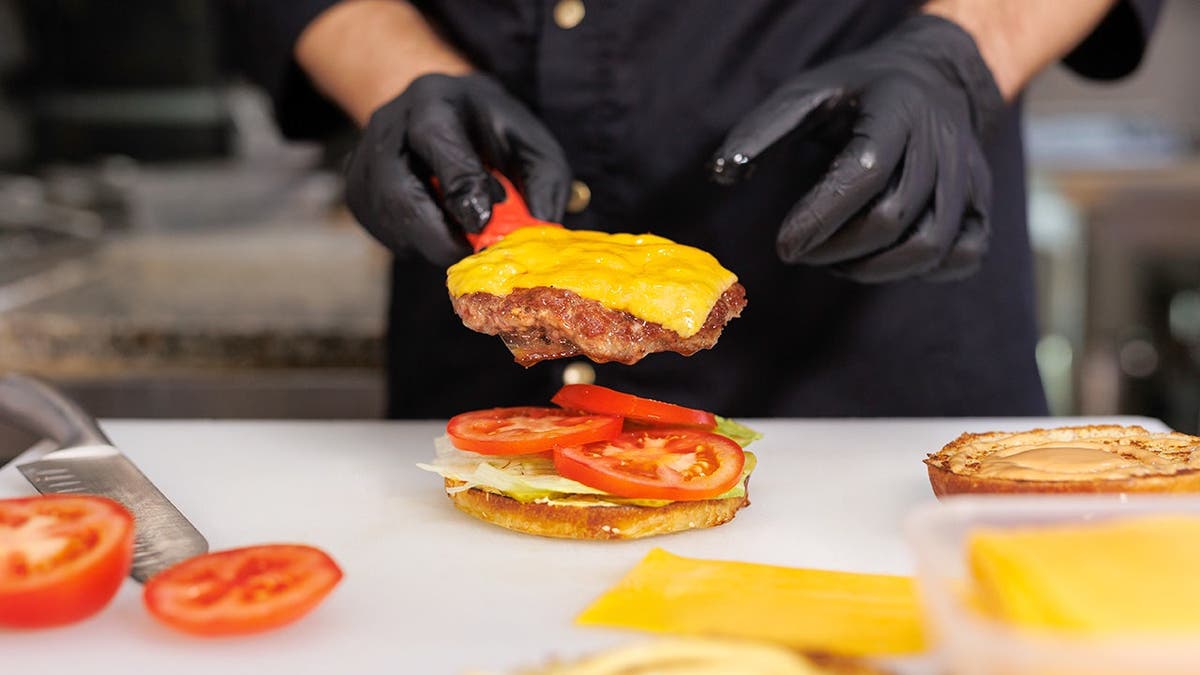
Night owls looking for a quick bite after hours have been faced with slim pickings in recent years as fast-food restaurants have cut back their hours. (iStock)
"I've been saying for two or three years now — and I wish I could stop saying it — but it's never been more challenging to profitably run a restaurant than it is today," Henkes said.
Rising food costs, inflation and thin profit margins have made late-night service harder to justify, while keeping overnight shifts staffed continues to be a challenge.
GEN Z STILL DRINKS, JUST EARLIER AS THE 'DAYCAP' TREND BEGINS UPENDING NIGHTLIFE
Safety concerns and local regulations have also played a role, with some cities restricting late-night operations — including a Philadelphia measure requiring certain businesses to close by 11 p.m., according to local reports.
Dining costs, or "Food Away from Home" prices, have surged nearly 30% since 2020 in U.S. cities, according to U.S. Bureau of Labor Statistics data.
Safety concerns and local regulations have also impacted the late-night fast-food crowd. (iStock)
Costs are up across the board for everyone, Henkes also said, and for restaurants, that means steeper prices for labor, food, rent, insurance, energy and more.
"When wages were lower, it was often cheaper to leave a store or restaurant open with a skeleton crew than to go through the processes associated with closing it and reopening it," Bryan Gildenberg, managing director of New Jersey-based market research firm Retail Cities, told Fox News Digital.
WATCHING VIDEOS OF BURGERS AND CAKE COULD HELP DIETERS RESIST CRAVINGS, STUDY SUGGESTS
"Today, with wages orders of magnitude higher than they were 10 years ago, those economics no longer work," he said.
Labor has always been a challenge for food service operators, according to Henkes.

Recruiting and retaining employees to work the graveyard shift has been extra difficult for fast-food restaurants in recent years, experts have noted. (iStock)
"I looked at a study we did in 1970, and labor was the No. 1 issue then," he said. "It's still really the No. 1 issue today. It's finding [the right people]. It's recruiting. It's retaining. Typically, you're probably paying a premium for [those employees], and there are staffing nightmares that come along with staying open all night."
CLICK HERE TO DOWNLOAD THE FOX NEWS APP
Consumers are also strapped and spending less at restaurants. Some 37% of Americans — and 44% of low-income diners — were eating out less frequently than they were the year before, according to a 2025 YouGov survey.

Many Americans say they eat at restaurants less these days because it's too expensive. (iStock)
"Of these, 69% cite a perceived rise in [costs] as a reason for them visiting restaurants less often," the report said.
People's habits and priorities post-COVID have also changed. Statistics consistently show a growing interest in health and wellness since the pandemic.
There's also been a sharp decline in the number of people who say they drink alcohol.
TEST YOURSELF WITH OUR LATEST LIFESTYLE QUIZ
"Younger people are drinking less, and let's be honest — most of the people looking for fast food at 2:30 a.m. probably aren't sober," Gildenberg said.
Still, restaurants aren't going anywhere, Henkes said, and he expects limited-service chains to continue outpacing full-service and sit-down restaurants.
There might be some hope for late-night dining with traffic ticking up since 2023, according to Nation's Restaurant News; some chains are slowly expanding hours again.

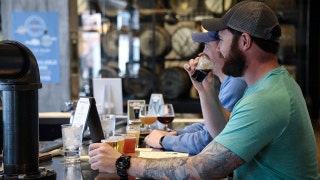
Changing consumer habits, such as the "sober-curious" movement, have resulted in fast-food chains taking a hit. (iStock)
Wendy's, for example, has pushed to keep more locations open later, with about 90% of its restaurants operating until midnight or beyond, CEO Todd Penegor said on an earnings call.
McDonald's announced last year that it would be extending its hours and hiring over 300,000 employees, FOX Business reported.
CLICK HERE TO SIGN UP FOR OUR LIFESTYLE NEWSLETTER
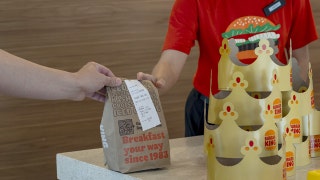
Burger King also added more late-night operating hours last year, according to a Restaurant Dive report.
Taco Bell announced its "Encore Hours" initiative in 2025 to provide food for music lovers at select locations.
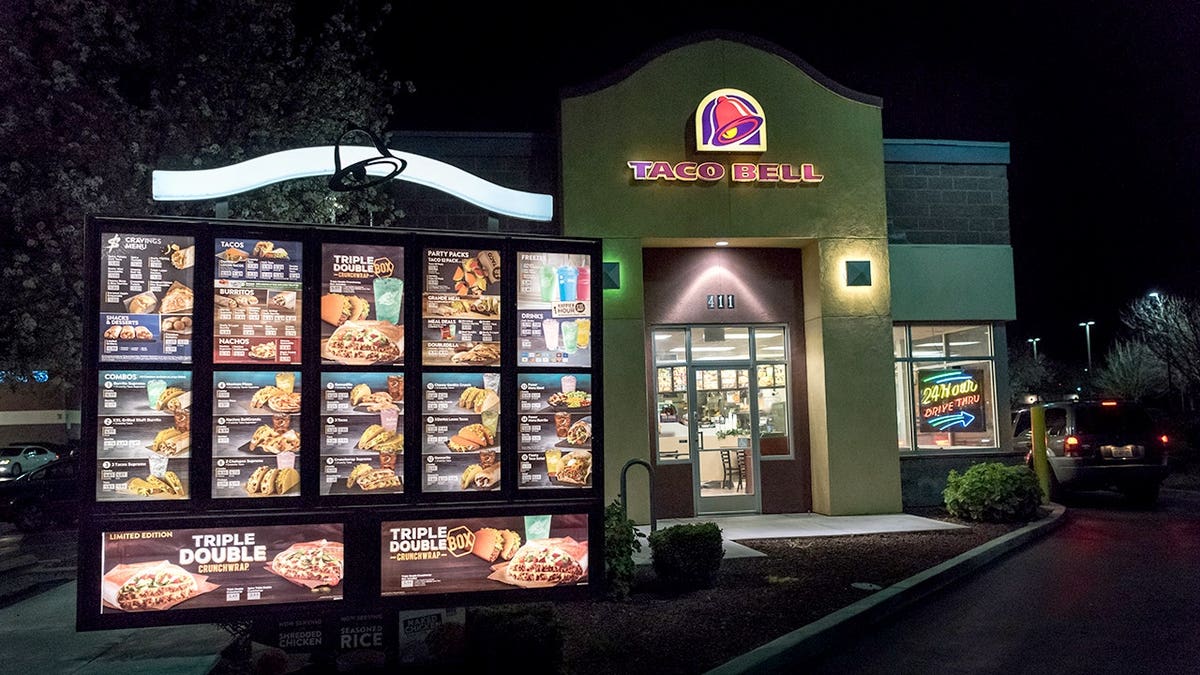
Taco Bell is among the fast-food chains that have been extending hours. (iStock)
IHOP, Denny's and Waffle House are other restaurant chains with more reliable late-night hours.
CLICK HERE FOR MORE LIFESTYLE STORIES
Experts also note that demand for 24-hour dining remains strongest in high-traffic areas near highways, airports and major cities — rather than in smaller towns.
