























Charles, Diana's heated fights detailed by royal butler
Princess Diana’s former butler Paul Burrell recounts witnessing a marriage unraveling behind palace doors. He has written a new book, "The Royal Insider: My Life with the Queen, the King and Princess Diana."
A stay at Queen Elizabeth II’s Scottish castle may sound like a fairy tale, but for a royal bride-to-be, Balmoral can quickly turn into a high-stakes audition where every misstep is remembered.
Princess Diana’s former butler, Paul Burrell, who recently wrote a memoir, "The Royal Insider," described the "Balmoral Test," an unspoken assessment where senior royals size up newcomers to determine whether they truly belong within the family’s deeply private world.
"The ‘Balmoral Test’ was cruel," wrote Burrell. "Outsiders, most importantly potential brides, were brought there like specimens to be inspected by the family to see if they came up to scratch and if they were suitable."
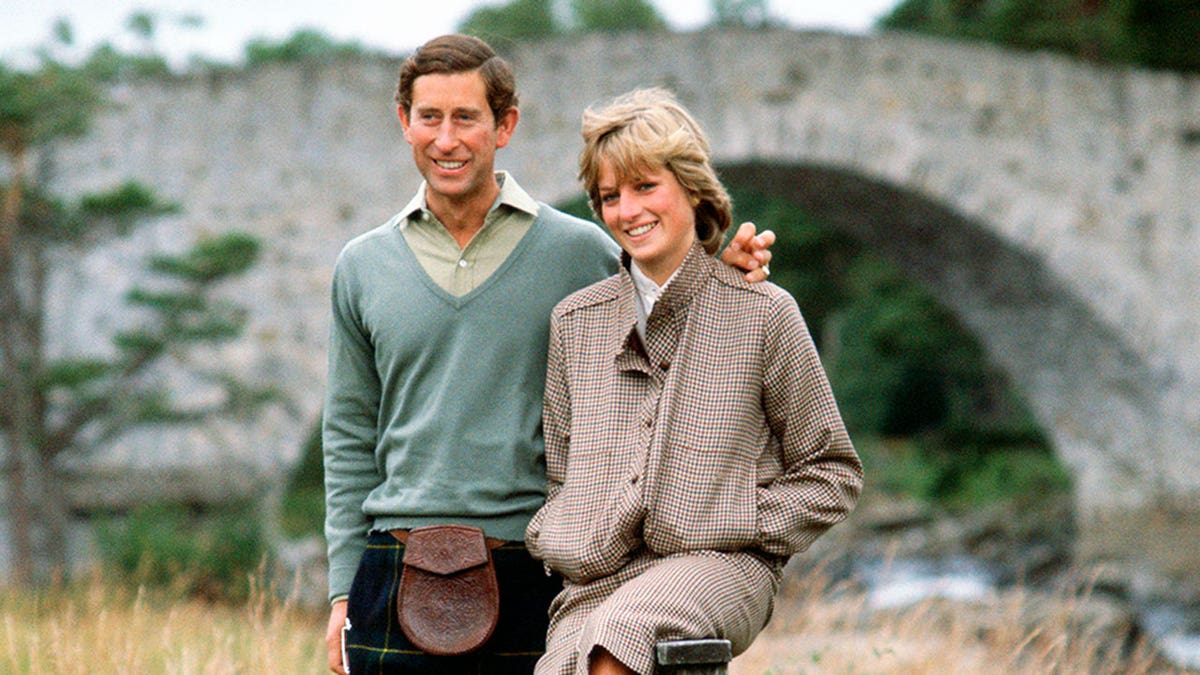
This August 1981 photo shows the former Prince Charles and Princess Diana at Balmoral Castle. (Tim Graham Photo Library via Getty Images)
He noted that the rite of passage has "been this way since Queen Victoria’s day, which is no surprise, as the castle hasn’t changed much either."
Royal commentator Amanda Matta described it as a silent compatibility test.
"Most modern families would probably recognize that dynamic, where newcomers are vetted against the existing family structures," she explained.
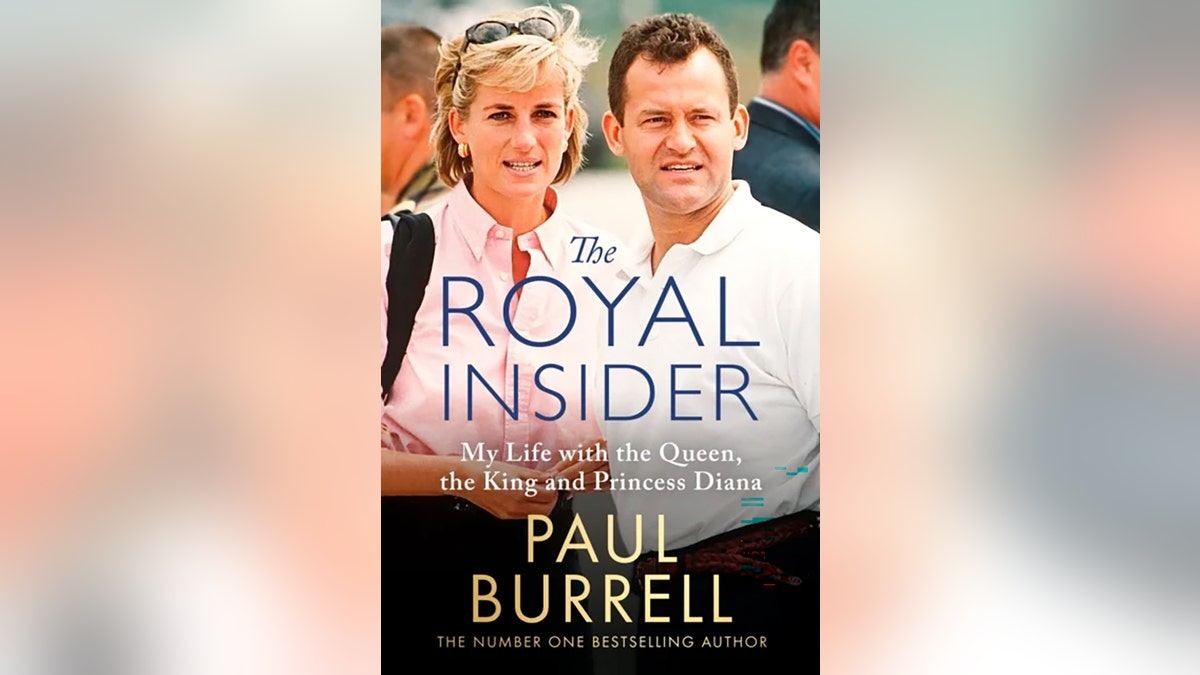
"The Royal Insider: My Life with the Queen, the King and Princess Diana" by Paul Burrell is out now. (Hachette Mobius)
"The main difference between the ‘Balmoral Test’ and a barbecue at my family home would be the established, highly conservative standards of the extended family. Even in private family moments, hierarchy never fully disappears."
WATCH: KING CHARLES, PRINCESS DIANA'S HEATED FIGHTS DETAILED BY ROYAL BUTLER

The royals aren’t just looking for impeccable manners, though that’s only the bare minimum. Guests are expected to roll up their sleeves and prove they can handle the grit of country life, with no exceptions.
"You were expected to shoot and hunt," royal expert Ian Pelham Turner told Fox News Digital. "[In the past], there was the fox hunt, which involved foxes being chased on horseback, eventually being caught and torn to pieces by a pack of dogs, with blood everywhere."
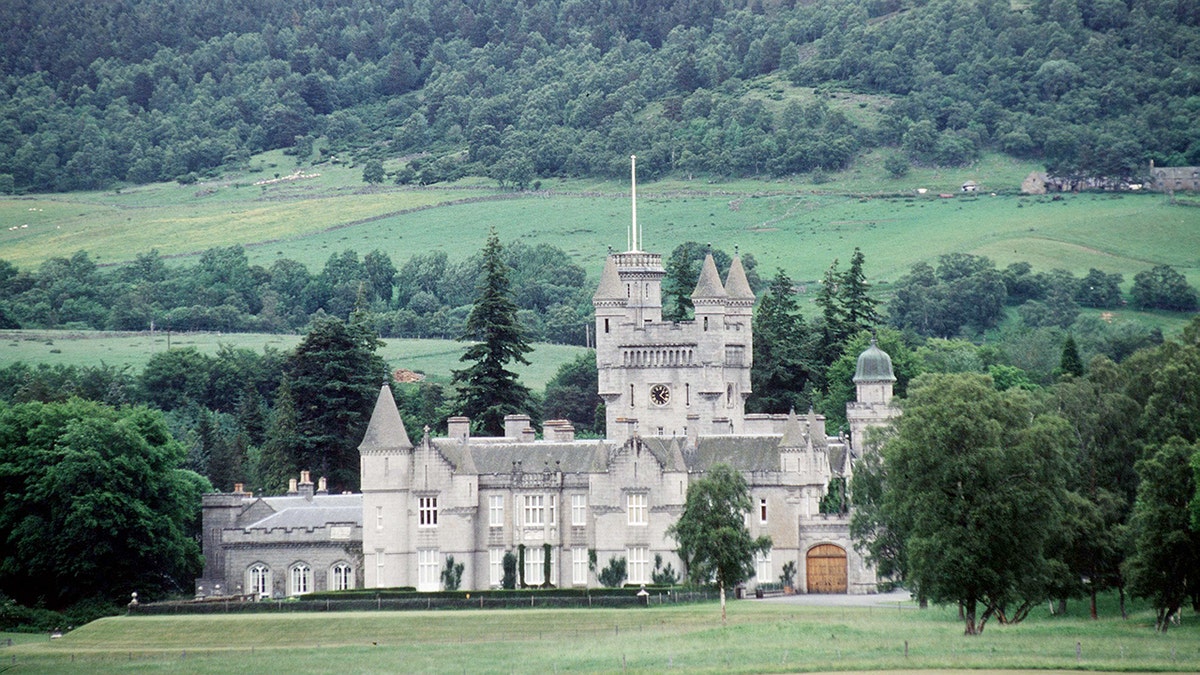
An aerial view of Balmoral Castle. (Tim Graham Photo Library via Getty Images)
"Camilla was a regular fox hunter, while Diana would find these traditions barbaric," he said. "I am quite sure both Meghan Markle and Kate Middleton may have been totally dismayed at the carnage, although Kate, being more used to country pursuits, may have endured some of the process. Fox hunting has been banned, but it is alleged that riding with hounds still exists."
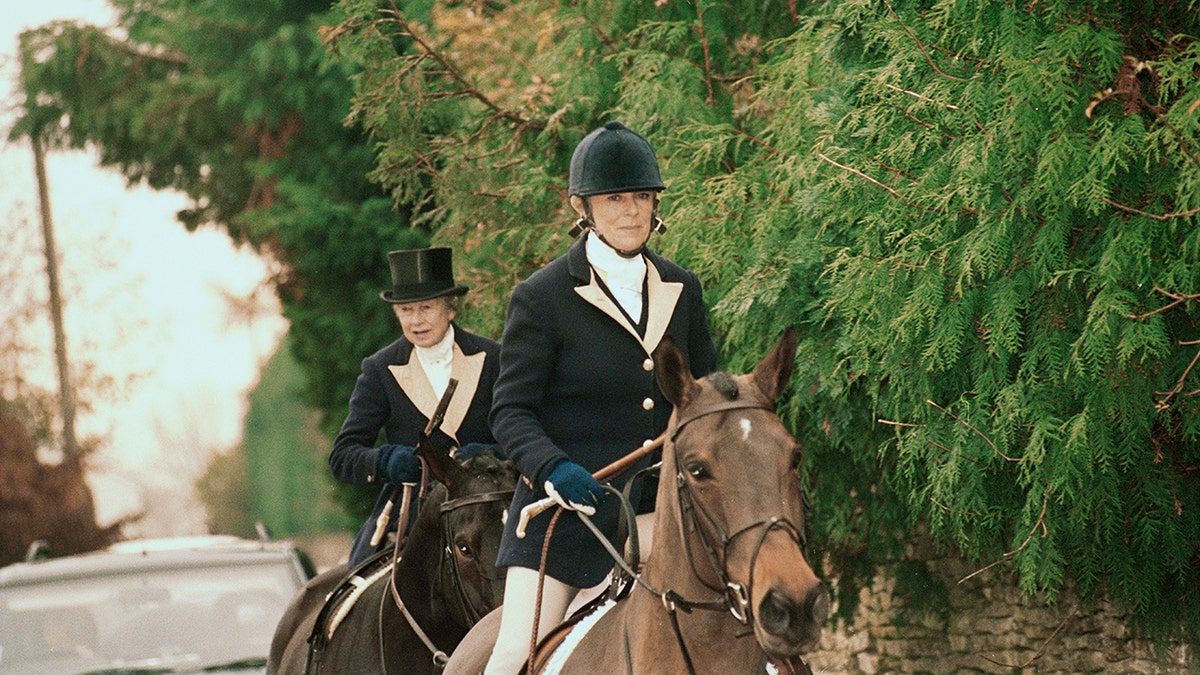
This undated photo shows Camilla Parker Bowles on a hunt. (Mathieu Polak/Sygma/ Sygma via Getty Images)
While hunting may no longer top the agenda, potential brides are still expected to tough it out and embrace the rougher side of country life.
"Balmoral remains the monarch’s most private sanctuary," British royals expert Hilary Fordwich told Fox News Digital. "It’s as remote and as private as it can be, and approval there by the family signals inner-circle status. It’s all about loyalty to the family and adaptability to their unique unwritten ways."
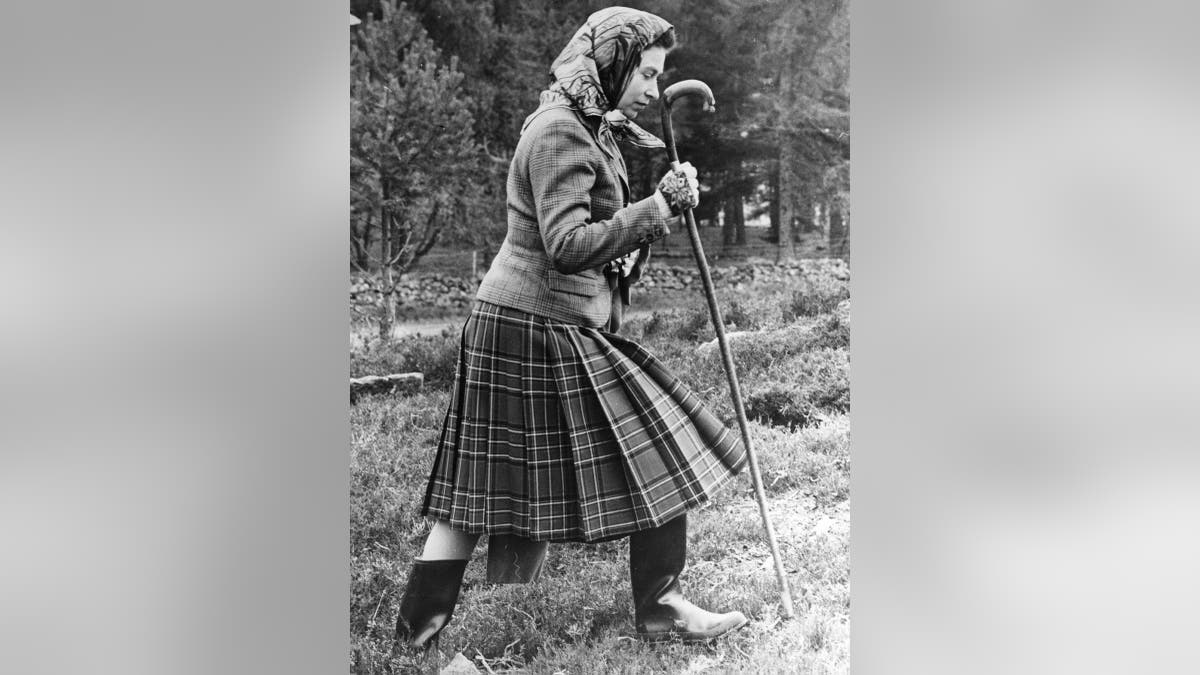
Queen Elizabeth II walking cross-country on the grounds of Balmoral Castle, circa 1967. (Central Press/Getty Images)
"It’s totally country-oriented," Fordwich stressed. "Those who do best are those who understand rural ways, such as Kate. Walking even in inclement weather came naturally to her. She was instantly at home. Being sporty and athletic, she enjoyed nature and hiking. She still relishes it. In contrast, Meghan reportedly took umbrage at hunting and wasn’t into any of the field sports."
CLICK HERE TO SIGN UP FOR THE ENTERTAINMENT NEWSLETTER
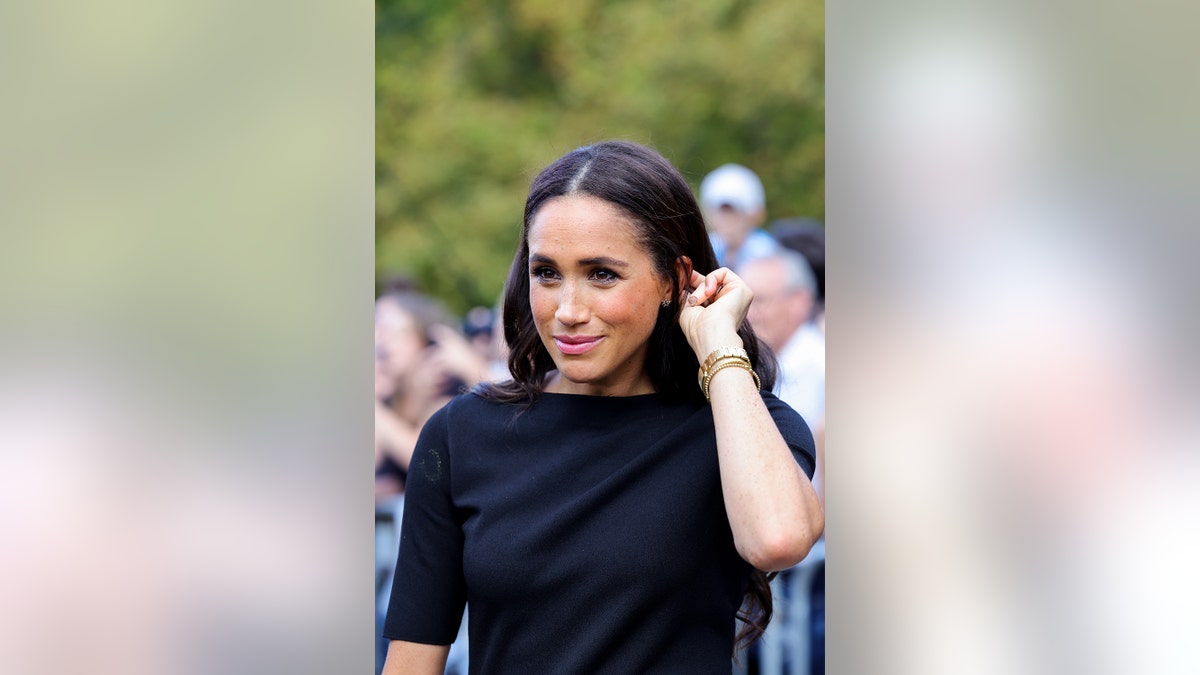
Meghan, Duchess of Sussex, reportedly wasn't on board with hunting at Balmoral. (Chris Jackson - WPA Pool/Getty Images)
"What’s being evaluated isn’t just manners, though ideas of comportment and deference do matter," said Matta.
"But adaptability is another key point. Balmoral is famously informal by royal standards, but there are still schedules and rhythms that are observed. There are country walks, shoots, fishing expeditions and formal dinners. Newcomers will find themselves assessed on how they can ‘let their hair down’ and interact across generations, while still balancing the Firm’s unspoken rules."
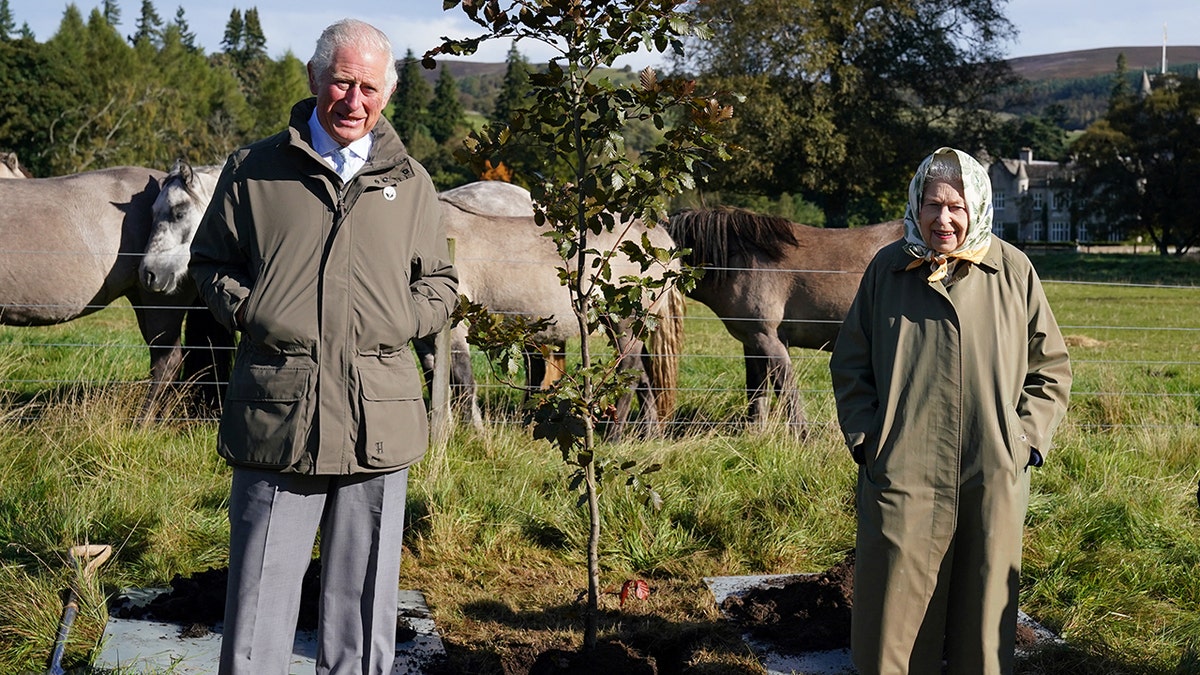
Queen Elizabeth II and the former Prince Charles pose alongside the tree they planted to mark the start of the official planting season for the Queen's Green Canopy (QGC) at the Balmoral Cricket Pavilion, Balmoral estate in Scotland on Oct.1, 2021. (Andrew Milligan / POOL / AFP via Getty Images)
Matta said that despite Diana’s personal feelings, she ultimately passed the test "with flying colors," thanks to her aristocratic upbringing. It meant she already knew exactly what the royals were looking for.
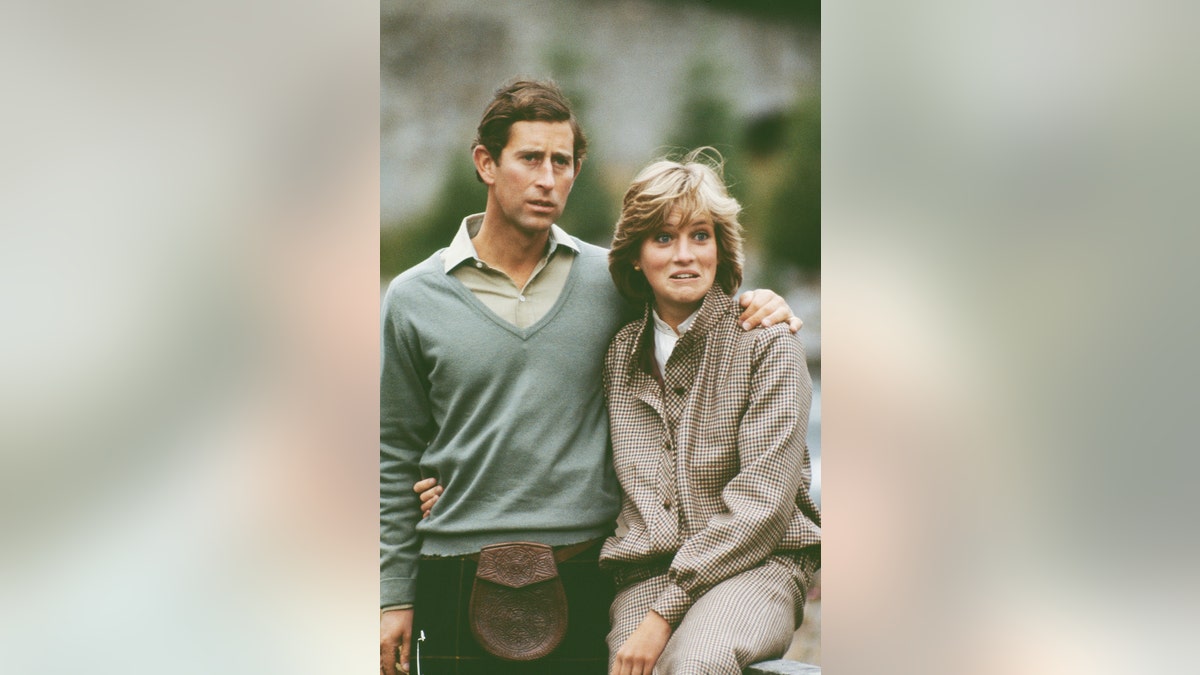
The former Prince Charles and Princess Diana on their honeymoon in Balmoral by the River Dee, circa 1981. August 1981. (Princess Diana Archive/Hulton Archive/Getty Images)
"She was perceived as an easygoing, ‘jolly’ presence who thrived in that country-house atmosphere," said Matta. "Did that early success mask deeper incompatibilities that would later emerge in her marriage to Charles? Sure. Diana would eventually struggle, because she was naturally more expressive than the senior royals. But in the beginning, the Balmoral setting rewarded her ability to perform the role expected of her."
"Her experience highlights that passing the test doesn’t guarantee long-term success in the royal fold," Matta warned. "The emotional realities of modern royal life can’t be summed up by a shooting weekend."
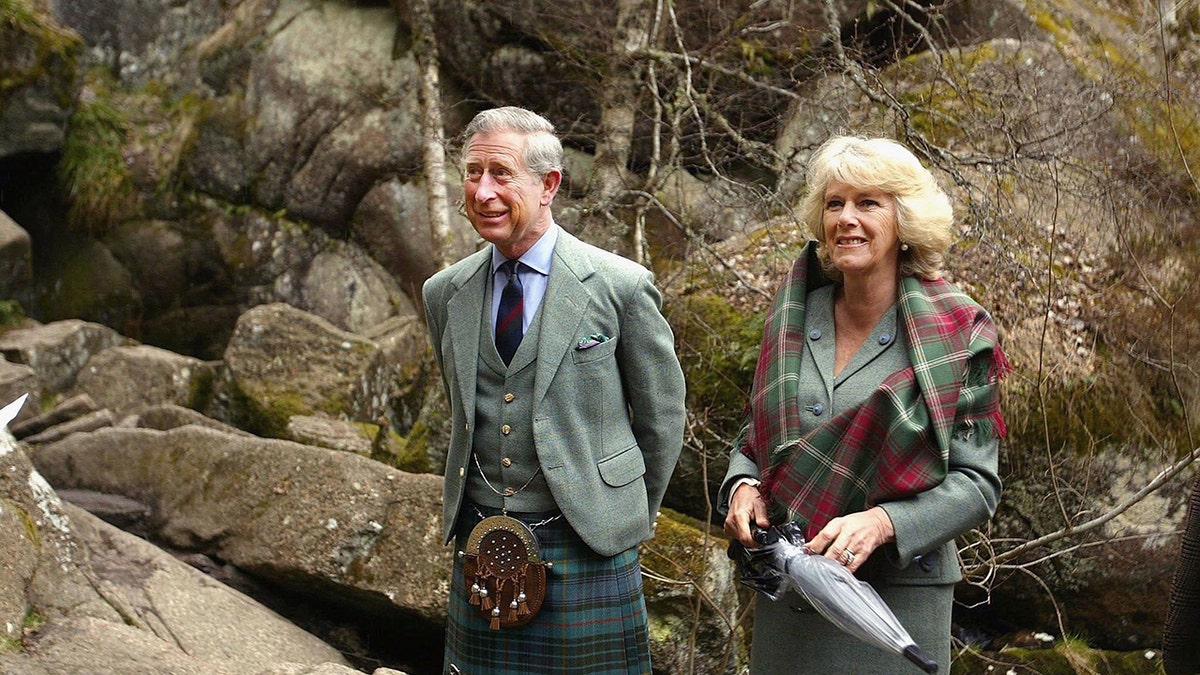
King Charles and Queen Camilla visit Muir of Dinnet National Nature Reserve on April 20, 2006, in Scotland. At the time, the couple broke off from their private stay at nearby Birkhall on the Balmoral estate to be shown around the reserve. (Pool/Anwar Hussein Collection/Getty Images)
British broadcaster and photographer Helena Chard told Fox News Digital that the "Balmoral Test" goes far beyond embracing the outdoors. For guests, especially love interests, it’s about fully grasping royal traditions and etiquette. Every move is quietly observed and silently judged.
LIKE WHAT YOU’RE READING? CLICK HERE FOR MORE ENTERTAINMENT NEWS
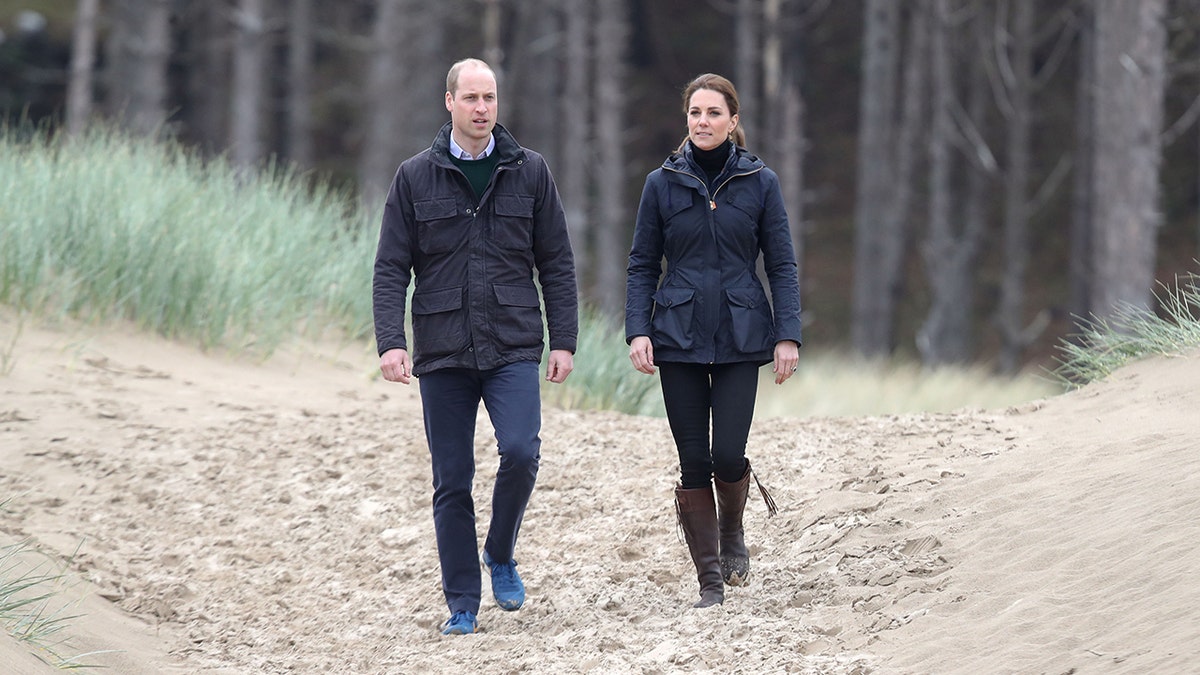
Catherine, Princess of Wales, seen here with her husband, Prince William, is known for her love of the outdoors. (Chris Jackson/Getty Images)
"You don’t simply click your heels three times and, by magic, happily blend in," said Chard. "Believing in the monarchy is key, along with a dedication to royal duty, understanding hierarchy within the family, and realizing every member has their role to play. Yes, it is a learning curve and, at times, it may be challenging. However, it’s also a prerequisite to a successful, happy life within ‘The Firm.’"
"It only takes one black sheep to create havoc within a family or organization," Chard continued. "Certain personalities may adapt to royal protocols more quickly than others.
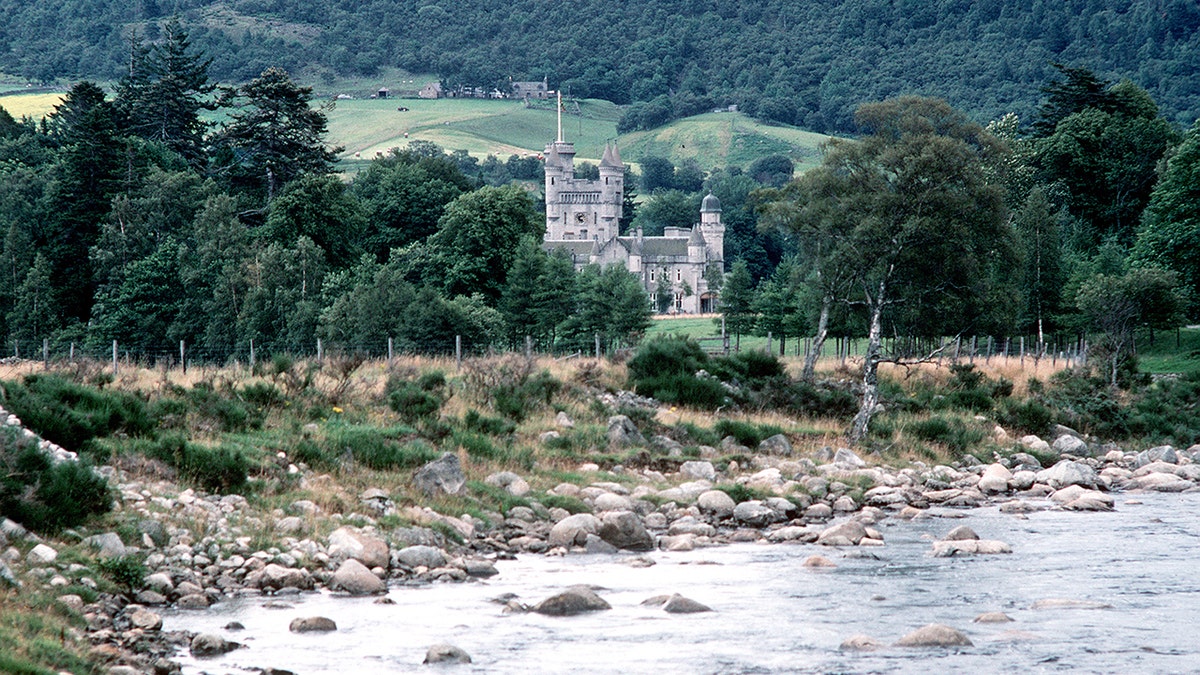
A view of the Balmoral estate from the River Dee, photo date unknown. (Anwar Hussein/WireImage/Getty Images)
"However, many believe that time and a supportive partner willing to educate, give clear guidance, and help settle the ‘newbie’ into royal family life are key. It also highlights the love and strength of the relationship, preventing the ‘fish out of water’ feeling from creeping in."
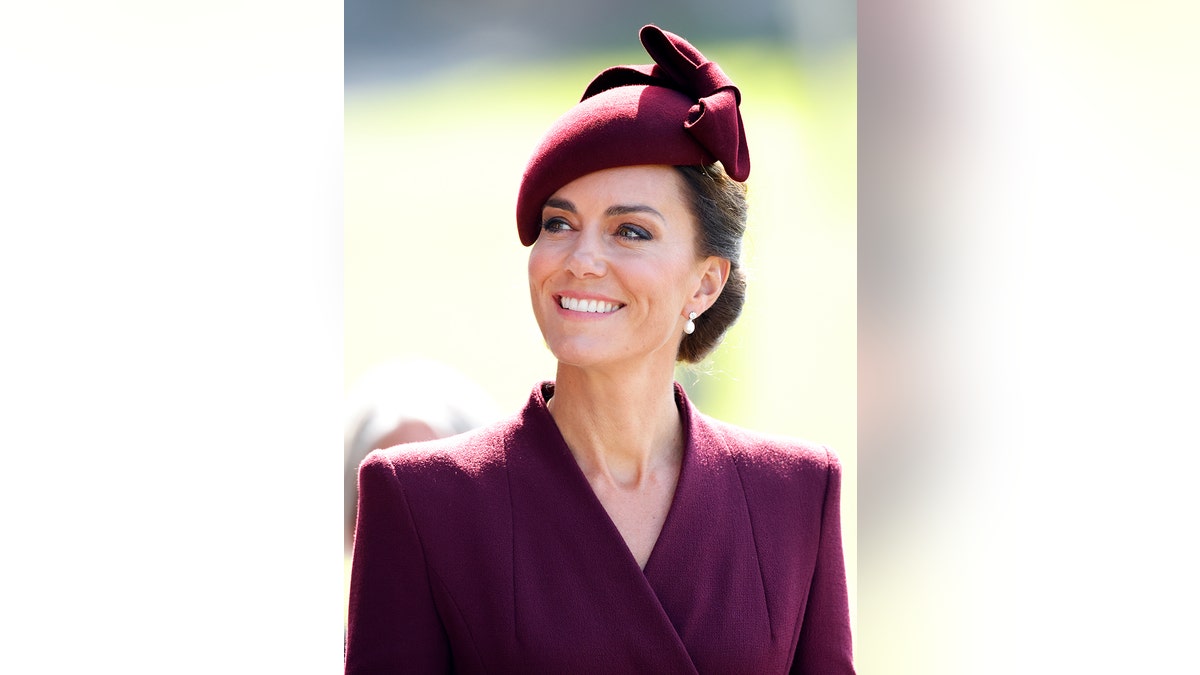
Catherine, Princess of Wales (wearing her pearl and diamond earrings, which previously belonged to the late Queen Elizabeth II) attends a service to commemorate the life of Her Late Majesty at St. David's Cathedral on Sept. 8, 2023, in Wales. (Max Mumby/Indigo/Getty Images)
In his book, Burrell pointed out that even men faced judgment behind closed doors.
"Diana wasn’t the first to be scrutinized," he wrote. "Even Princess Anne brought a cavalry officer called Mark Phillips here to meet the family."
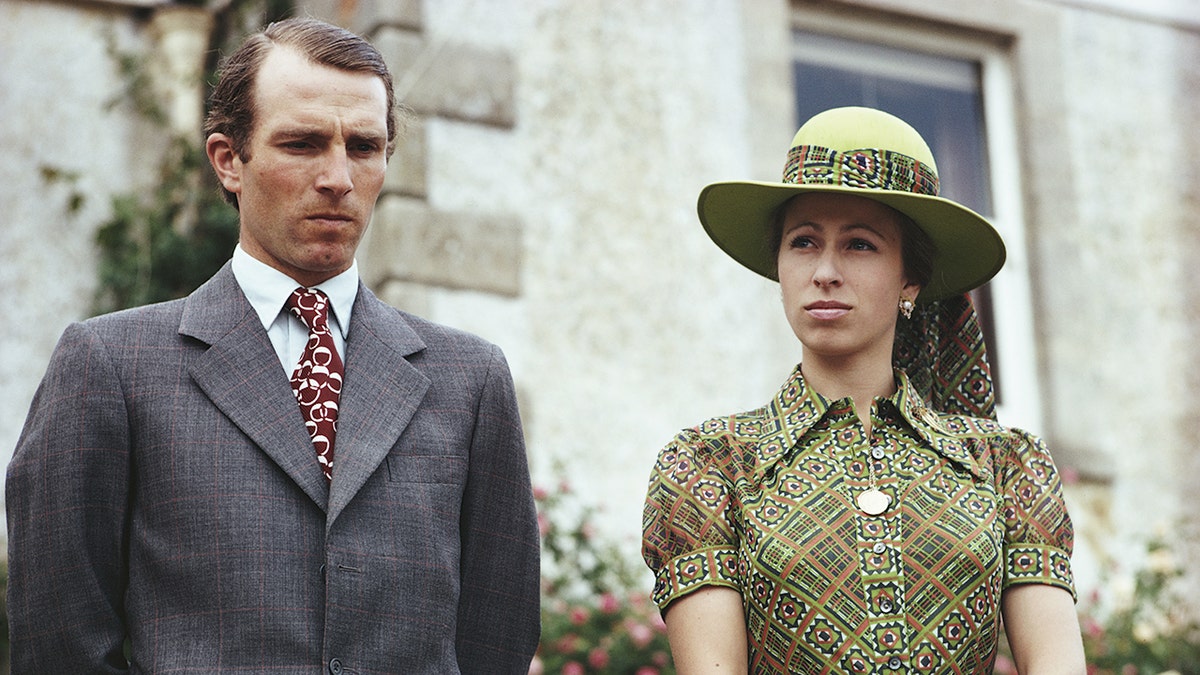
Princess Anne and her then-husband Mark Phillips, circa 1975. (Tim Graham Photo Library via Getty Images)
Famously, Kate passed the test with ease, quickly winning the royals over.
CLICK HERE TO GET THE FOX NEWS APP

Catherine, the sporty Princess of Wales, quickly won the royal family over. (Max Mumby/Indigo/Getty Images)
"Her reputation for being down-to-earth and outdoorsy translated well at Balmoral, where comfort in the natural landscape is highly valued," said Matta.
"She was so well-received that her parents were invited to a shooting weekend the following year. Unlike Diana, Kate’s ‘Balmoral Test’ and subsequent visits might reveal her more durable alignment with the family’s dynamics, both in private and public. She has long been viewed as a royal partner who is willing to ‘go with the flow.’"
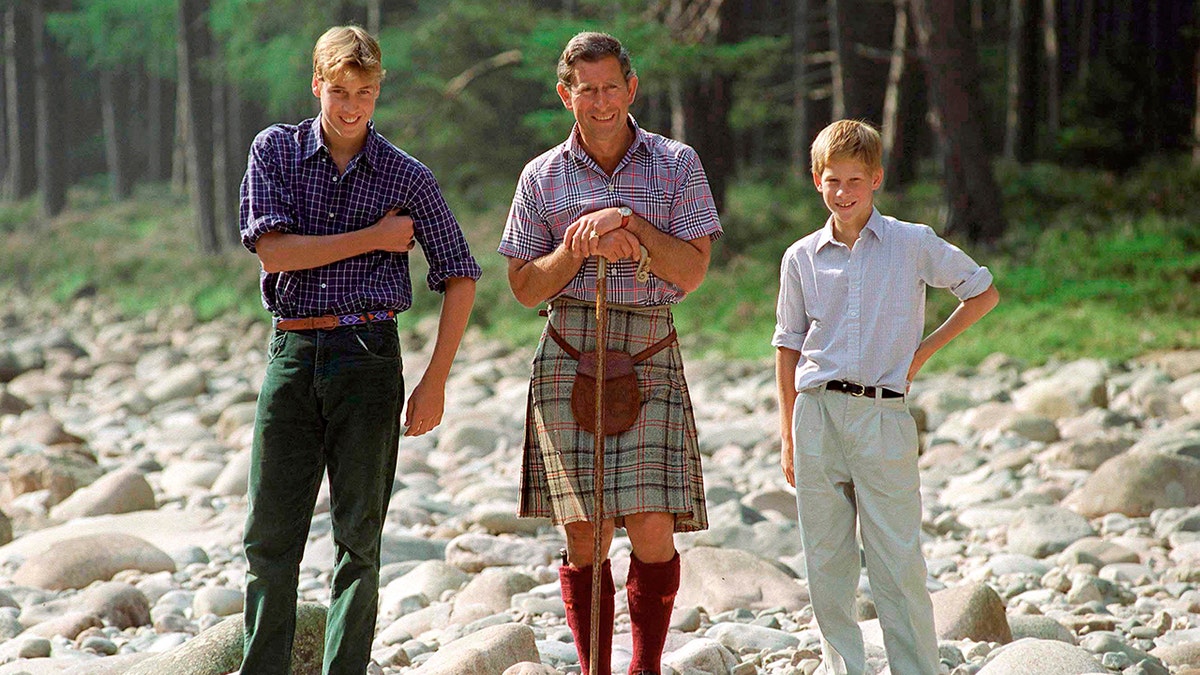
The former Prince Charles with his sons Prince William (left) and Prince Harry (right) by the River Dee at the Balmoral estate. (Tim Graham Photo Library via Getty Images)
These days, the "Balmoral Test" has relaxed. Queen Elizabeth II, Britain’s longest-reigning monarch, died in 2022, but the senior royals of today still keep a watchful eye on their guests.
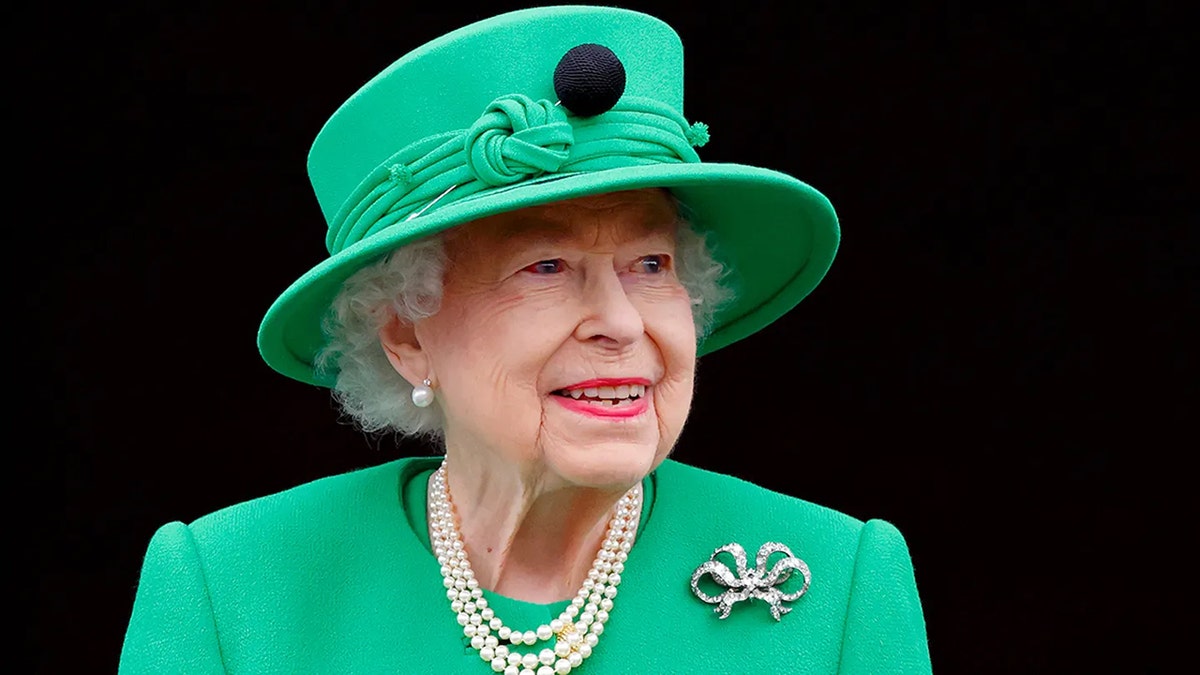
Queen Elizabeth II died at her beloved Balmoral Castle in 2022. (Max Mumby/Indigo/Getty Images)
"Any introduction to royal in-laws will naturally become a check on whether you understand the modern monarchy’s need for unity and discretion," said Matta. "I do really think that the ‘test’ is better understood as a very elevated version of ‘meeting the family,’ where you’re quietly assessed on how well you mesh. It’s not decisive on its own, but it carries the weight of an extended first impression."
