



















Trump’s ‘drill, baby, drill’ policy shields consumers from Iran-driven oil shocks, economist says
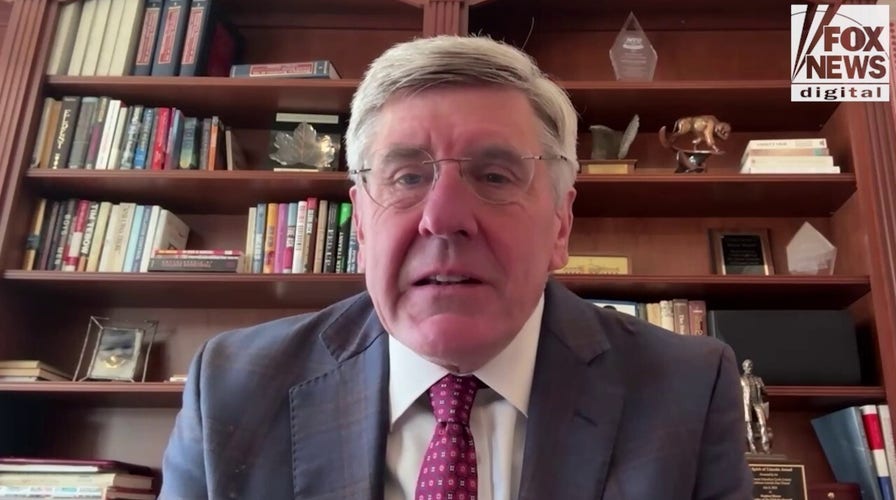
Unleash Prosperity co-founder Stephen Moore says record U.S. oil and gas production will help counter Middle East turmoil and prevent a spike in gas prices in the wake of recent Iran strikes.
Few places on the planet matter more to the global economy than the Strait of Hormuz.
Just about 21 miles wide at its narrowest, the Strait of Hormuz between Iran and Oman is a global energy choke point. The waterway carries roughly 20 million barrels a day and about one-fifth of global liquefied natural gas, making it a top-value target when conflict in the region erupts.
That’s why the latest disruption, triggered by U.S.-Israeli strikes over the weekend and retaliatory Iranian drone and missile attacks across the region, is forcing shippers to rethink whether it’s safe to transit the key waterway.
NEW SATELLITE IMAGES SHOW FIRES & WIDESPREAD DAMAGE ACROSS IRAN AFTER US-ISRAELI STRIKES
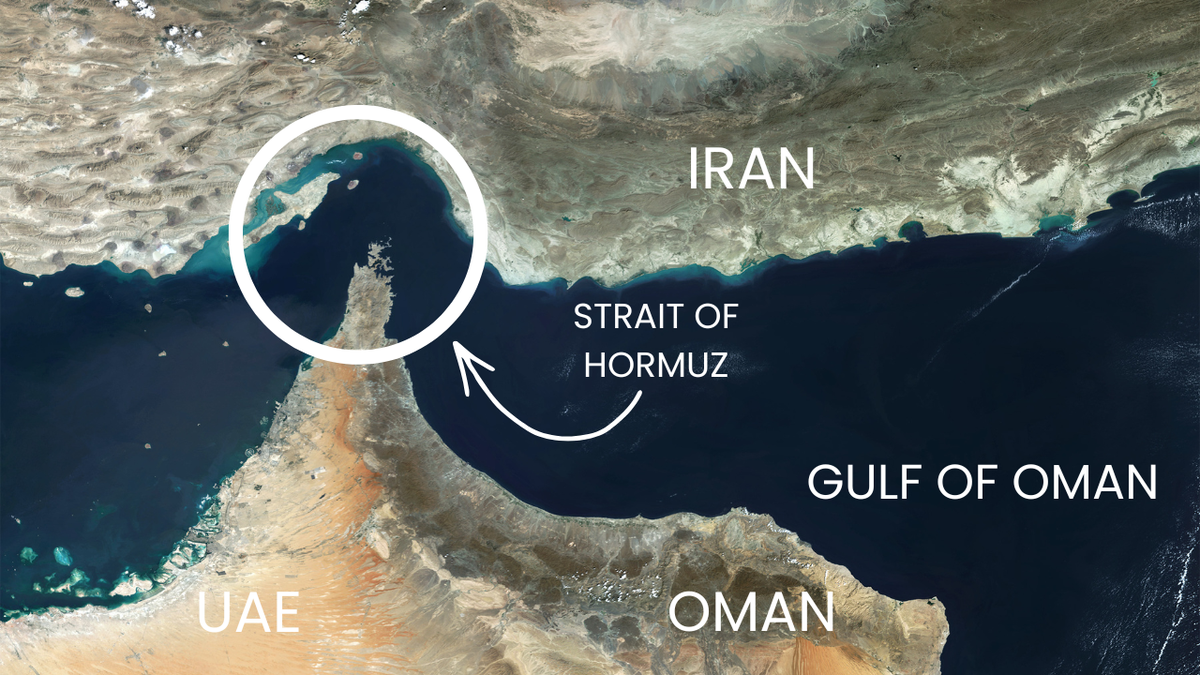
A satellite view of the Strait of Hormuz, a critical choke point for global energy supply, connecting the Persian Gulf to the Gulf of Oman. (Gallo Images/Orbital Horizon/Copernicus Sentinel Data 2025/Amanda Macias/Fox News Digital)
"You've essentially had the Strait of Hormuz grind down to a halt," explained Matt Smith, an analyst at Kpler, a data and analytics firm.
He said the slowdown isn’t necessarily because Iran has formally closed the waterway, though Tehran has threatened to, but because shippers are weighing the risk of missile or drone strikes in the narrow corridor.
GAS PRICES COULD JUMP AS MIDDLE EAST TENSIONS THREATEN GLOBAL OIL SUPPLY
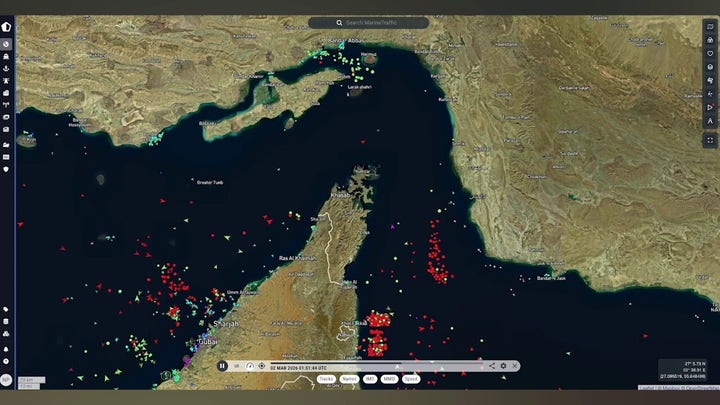
The result, Smith said, is a growing bottleneck of crude and refined products. And if the disruption stretches from days into weeks, Smith warned, the fallout could intensify quickly.
"If this drags on for weeks, the ramifications are huge," he said, pointing to early ripple effects already emerging in global energy markets.
Those concerns are already changing behavior in the shipping industry.
Maersk, widely regarded as a bellwether for global ocean freight, said it will suspend all vessel crossings through the Strait of Hormuz until further notice and warned service to Arabian Gulf ports could be delayed.
Insurers are also retreating. Major maritime insurers, including Gard, Skuld, NorthStandard, the London P&I Club and the American Club, said they will cancel war-risk coverage starting this week. Under the changes, war-risk coverage would be excluded in Iranian waters and across the Gulf and nearby waters, the notices said.
CLICK HERE TO DOWNLOAD THE FOX NEWS APP

A vessel is seen near the Strait of Hormuz on March 1, 2026. (Sahar Al Attar/AFP/Getty Images)
With ships sidelined and insurance tightening, the strain is now showing up on the production side.
The disruptions are also hitting production on the ground. Qatar on Monday halted liquefied natural gas (LNG) production after Iran struck two of its gas facilities. Saudi Arabia, meanwhile, suspended operations at its largest oil refinery after an Iranian drone attack sparked a fire.
Smith said the knock-on effects are spreading quickly: Iraq is starting to curb output, some Asian refineries are cutting runs, and Qatar has declared force majeure, a formal notification to buyers that it may not be able to deliver exports as promised because of the conflict.
"This is only going to escalate if this continues for weeks rather than days," Smith said, warning oil prices could surge into "levels we’ve never seen before" if the disruption drags on.
