























Stone Age dog buried with 5,000-year-old dagger found in Sweden
Archaeologists have discovered an exceptionally well-preserved Stone Age dog skeleton buried with a 5,000-year-old bone dagger in a Swedish bog.
Researchers have recovered ancient DNA containing bacteria related to syphilis — potentially pushing the known history of the disease back by more than 3,000 years, according to their study.
The findings, announced in a Jan. 22 press release, are the result of a study of 5,500-year-old human remains in Sabana de Bogotá, Colombia. The research was published in the journal Science this month.
Researchers analyzing the remains recovered a genome of Treponema pallidum, the bacterium responsible for syphilis and three other treponemal diseases.
ARCHAEOLOGISTS FIND ANCIENT HARBOR SWALLOWED BY THE SEA NEAR CLEOPATRA'S TEMPLE
A genome is the DNA blueprint of an organism. In the recent study, researchers used ancient DNA remnants to reconstruct the bacterium's genome.
They sampled the skeleton's shinbone — an unusual method, as most genomes are recovered from teeth or bones of people who were clearly infected.

Syphilis-related bacteria existed in the Americas thousands of years earlier than previously known, say researchers involved in a new ancient DNA study. (Bettmann via Getty Images)
"The approach paid off, suggesting that even bones without visible signs of disease could be valuable sources of pathogen DNA," the release said.
The study indicates that syphilis-related bacteria existed in the Americas long before Columbus arrived.
TEST YOURSELF WITH OUR LATEST LIFESTYLE QUIZ
There is no scientific consensus about when syphilis actually began — but it was first documented in Europe in the 15th century.
"The discovery pushes the genetic record of this pathogenic species back by more than 3,000 years," the press release asserted.

Researchers taking part in a new study (not pictured) sampled DNA from the skeleton's shinbone. (iStock)
"[This] strengthen[s] evidence that these infections have circulated in the Americas far longer than previously known."
Other sources point out that the new study was based on a single ancient genome — "and there are no equally old genomes from Europe or other regions for direct comparison," according to the American Association for the Advancement of Science, as noted in Technology Networks.
"Future research will need more ancient genomes from different places and times, alongside studies of human immune responses and closer collaboration with Indigenous communities," the Washington, D.C.-based organization said. "Taken together, this work does not settle the syphilis debate, but it does show how much of the story is still missing."
‘Unexpected’ results
The new findings emerged "unexpectedly," the release noted, as researchers were not initially searching for signs of disease.
CLICK HERE TO SIGN UP FOR OUR LIFESTYLE NEWSLETTER
They "originally sequenced the individual’s DNA to study human population history, generating 1.5 billion fragments of genetic data — far more than typical studies," the statement said.
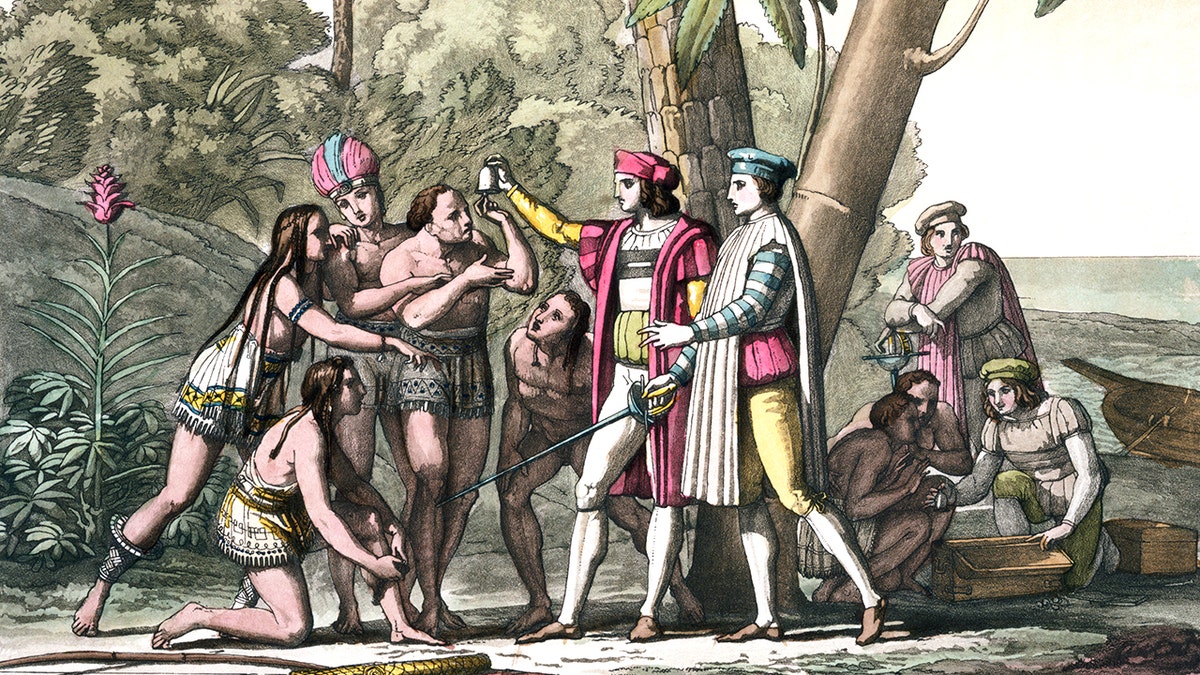
The findings suggest syphilis-related bacteria existed in the Americas long before Columbus arrived, researchers said. (Historical Picture Archive/CORBIS/Corbis via Getty Images)
"While screening the data, teams at the University of California, Santa Cruz and the University of Lausanne independently detected T. pallidum and joined forces to investigate."
CLICK HERE FOR MORE LIFESTYLE STORIES
Lars Fehren-Schmitz, a geneticist at the University of California, Santa Cruz, who was involved in the study, said the findings highlight the value of studying ancient DNA.
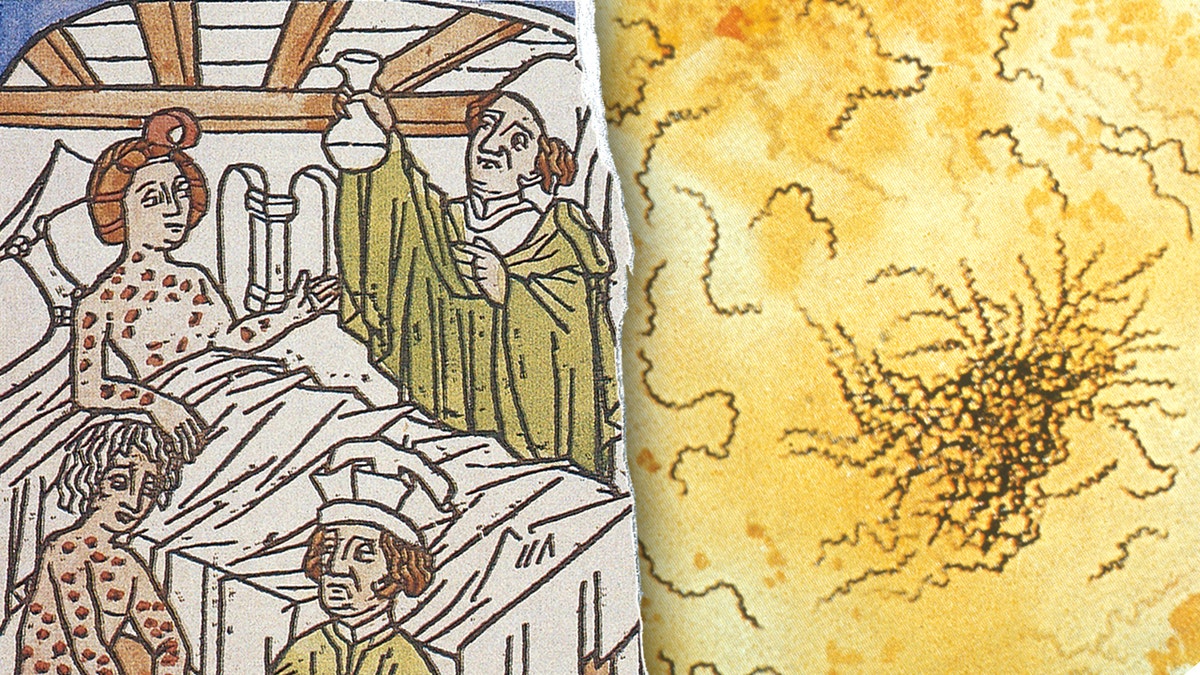
The study challenges long-held assumptions about the origins of syphilis, which was first documented in Europe during the 15th century. (Photo 12/Universal Images Group via Getty Images; Smith Collection/Gado/Getty Images)
"Our findings show the unique potential of paleogenomics to contribute to our understanding of the evolution of species, and potential health risks for past and present communities," Fehren-Schmitz said.
Archaeological finds involving ancient diseases are uncommon, but advances in DNA analysis have led to significant discoveries.
CLICK HERE TO GET THE FOX NEWS APP
In November, researchers published findings about the deadly pathogens that ravaged Napoleon's soldiers during his doomed 1812 retreat from Russia.
