






















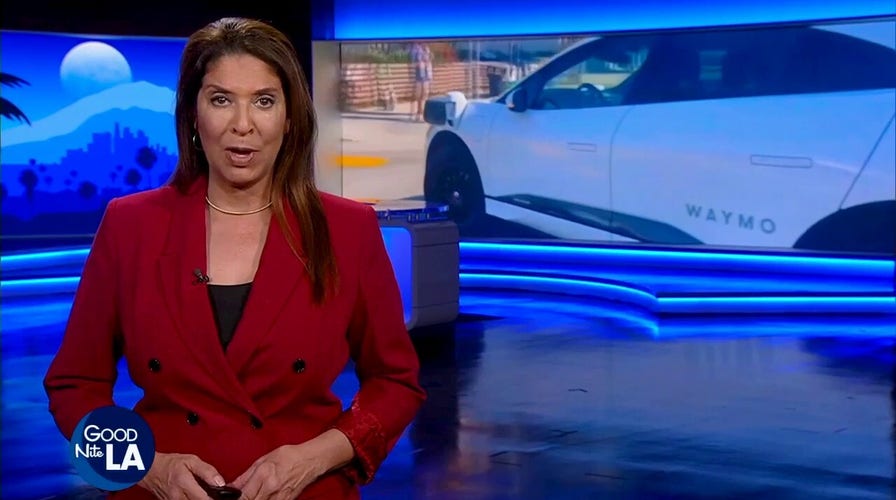
Autonomous Waymo vehicle strikes student near elementary school in Santa Monica, California
An autonomous vehicle struck a student in Santa Monica, California, but there were no injuries reported, according to the Santa Monica Police Department. (Credit: FOX 11)
Federal safety regulators are once again taking a hard look at self-driving cars after a serious incident involving Waymo, the autonomous vehicle company owned by Alphabet.
This time, the investigation centers on a Waymo vehicle that struck a child near an elementary school in Santa Monica, California, during morning drop-off hours. The crash happened Jan. 23 and raised immediate questions about how autonomous vehicles behave around children, school zones and unpredictable pedestrian movement.
On Jan. 29, the National Highway Traffic Safety Administration confirmed it had opened a new preliminary investigation into Waymo's automated driving system.
Sign up for my FREE CyberGuy Report
Get my best tech tips, urgent security alerts and exclusive deals delivered straight to your inbox. Plus, you’ll get instant access to my Ultimate Scam Survival Guide — free when you join my CYBERGUY.COM newsletter.
TESLA'S SELF-DRIVING CARS UNDER FIRE AGAIN

Waymo operates Level 4 self-driving vehicles in select U.S. cities, where the car controls all driving tasks without a human behind the wheel. (AP Photo/Terry Chea, File)
What happened near the Santa Monica school?
According to documents posted by NHTSA, the crash occurred within two blocks of an elementary school during normal drop-off hours. The area was busy. There were multiple children present, a crossing guard on duty and several vehicles double-parked along the street.
Investigators say the child ran into the roadway from behind a double-parked SUV while heading toward the school. The Waymo vehicle struck the child, who suffered minor injuries. No safety operator was inside the vehicle at the time.
NHTSA's Office of Defects Investigation is now examining whether the autonomous system exercised appropriate caution given its proximity to a school zone and the presence of young pedestrians.
AI TRUCK SYSTEM MATCHES TOP HUMAN DRIVERS IN MASSIVE SAFETY SHOWDOWN WITH PERFECT SCORES
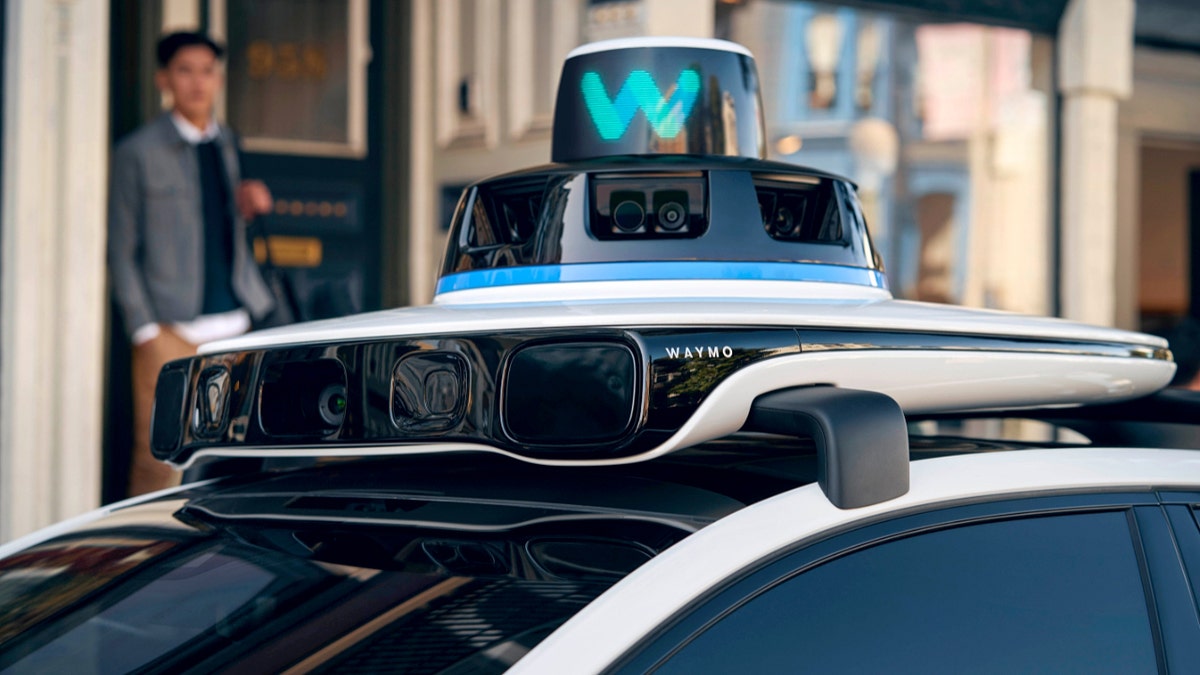
Federal investigators are now examining whether Waymo’s automated system exercised enough caution near a school zone during morning drop-off hours. (Waymo)
Why federal investigators stepped in
The NHTSA says the investigation will focus on how Waymo's automated driving system is designed to behave in and around school zones, especially during peak pickup and drop-off times.
That includes whether the vehicle followed posted speed limits, how it responded to visual cues like crossing guards and parked vehicles and whether its post-crash response met federal safety expectations. The agency is also reviewing how Waymo handled the incident after it occurred.
Waymo said it voluntarily contacted regulators the same day as the crash and plans to cooperate fully with the investigation. In a statement, the company said it remains committed to improving road safety for riders and everyone sharing the road.
Waymo responds to the federal investigation
We reached out to Waymo for comment, and the company provided the following statement:
"At Waymo, we are committed to improving road safety, both for our riders and all those with whom we share the road. Part of that commitment is being transparent when incidents occur, which is why we are sharing details regarding an event in Santa Monica, California, on Friday, January 23, where one of our vehicles made contact with a young pedestrian. Following the event, we voluntarily contacted the National Highway Traffic Safety Administration (NHTSA) that same day. NHTSA has indicated to us that they intend to open an investigation into this incident, and we will cooperate fully with them throughout the process.
"The event occurred when the pedestrian suddenly entered the roadway from behind a tall SUV, moving directly into our vehicle's path. Our technology immediately detected the individual as soon as they began to emerge from behind the stopped vehicle. The Waymo Driver braked hard, reducing speed from approximately 17 mph to under 6 mph before contact was made.
"To put this in perspective, our peer-reviewed model shows that a fully attentive human driver in this same situation would have made contact with the pedestrian at approximately 14 mph. This significant reduction in impact speed and severity is a demonstration of the material safety benefit of the Waymo Driver.
"Following contact, the pedestrian stood up immediately, walked to the sidewalk and we called 911. The vehicle remained stopped, moved to the side of the road and stayed there until law enforcement cleared the vehicle to leave the scene.
This event demonstrates the critical value of our safety systems. We remain committed to improving road safety where we operate as we continue on our mission to be the world's most trusted driver."
Understanding Waymo's autonomy level
Waymo vehicles fall under Level 4 autonomy on NHTSA's six-level scale.
At Level 4, the vehicle handles all driving tasks within specific service areas. A human driver is not required to intervene, and no safety operator needs to be present inside the car. However, these systems do not operate everywhere and are currently limited to ride-hailing services in select cities.
The NHTSA has been clear that Level 4 vehicles are not available for consumer purchase, even though passengers may ride inside them.
This is not Waymo's first federal probe
This latest investigation follows a previous NHTSA evaluation that opened in May 2024. That earlier probe examined reports of Waymo vehicles colliding with stationary objects like gates, chains and parked cars. Regulators also reviewed incidents in which the vehicles appeared to disobey traffic control devices.
That investigation was closed in July 2025 after regulators reviewed the data and Waymo's responses. Safety advocates say the new incident highlights unresolved concerns.
UBER UNVEILS A NEW ROBOTAXI WITH NO DRIVER BEHIND THE WHEEL

No safety operator was inside the vehicle at the time of the crash, raising fresh questions about how autonomous cars handle unpredictable situations involving children. (Waymo)
What this means for you
If you live in a city where self-driving cars operate, this investigation matters more than it might seem. School zones are already high-risk areas, even for attentive human drivers. Autonomous vehicles must be able to detect unpredictable behavior, anticipate sudden movement and respond instantly when children are present.
This case will likely influence how regulators set expectations for autonomous driving systems near schools, playgrounds and other areas with vulnerable pedestrians. It could also shape future rules around local oversight, data reporting and operational limits for self-driving fleets.
For parents, commuters and riders, the outcome may affect where and when autonomous vehicles are allowed to operate.
Take my quiz: How safe is your online security?
Think your devices and data are truly protected? Take this quick quiz to see where your digital habits stand. From passwords to Wi-Fi settings, you’ll get a personalized breakdown of what you’re doing right and what needs improvement. Take my Quiz here: Cyberguy.com.
CLICK HERE TO DOWNLOAD THE FOX NEWS APP
Kurt's key takeaways
Self-driving technology promises safer roads, fewer crashes and less human error. But moments like this remind us that the hardest driving scenarios often involve human unpredictability, especially when children are involved. Federal investigators now face a crucial question: Did the system act as cautiously as it should have in one of the most sensitive driving environments possible? How they answer that question could help define the next phase of autonomous vehicle regulation in the United States.
Do you feel comfortable sharing the road with self-driving cars near schools, or is that a line technology should not cross yet? Let us know by writing to us at Cyberguy.com
Sign up for my FREE CyberGuy Report
Get my best tech tips, urgent security alerts and exclusive deals delivered straight to your inbox. Plus, you’ll get instant access to my Ultimate Scam Survival Guide – free when you join my CYBERGUY.COM newsletter.
Copyright 2026 CyberGuy.com. All rights reserved.
