













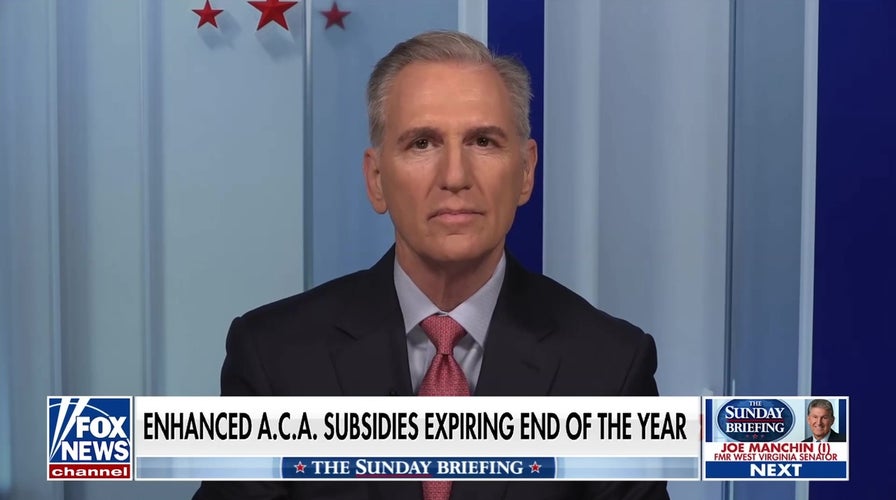
Kevin McCarthy touts Speaker Johnson's handling of healthcare battle
Former Speaker of the House Kevin McCarthy joins 'The Sunday Briefing' to discuss Speaker Mike Johnson's handling of the ongoing healthcare fight, the possibility of another reconciliation bill and more.
Tensions are once again boiling in the House GOP after four moderate Republicans joined Democrats in a bid to force a vote on extending Obamacare subsidies that were enhanced during the COVID-19 pandemic.
"It's a betrayal to the Republican Party," House Freedom Caucus member Rep. Eric Burlison, R-Mo., said. "It basically turned the agenda over to the Democrats."
"This is not what people voted for when they voted for a Republican majority," he said.
A Democrat-led Congress voted to broaden who can get federally subsidized healthcare during the COVID-19 pandemic in 2021, later voting to extend those subsidies through 2025 the following year.
HOUSE REPUBLICANS TURN ON EACH OTHER HEADING INTO YEAR'S END
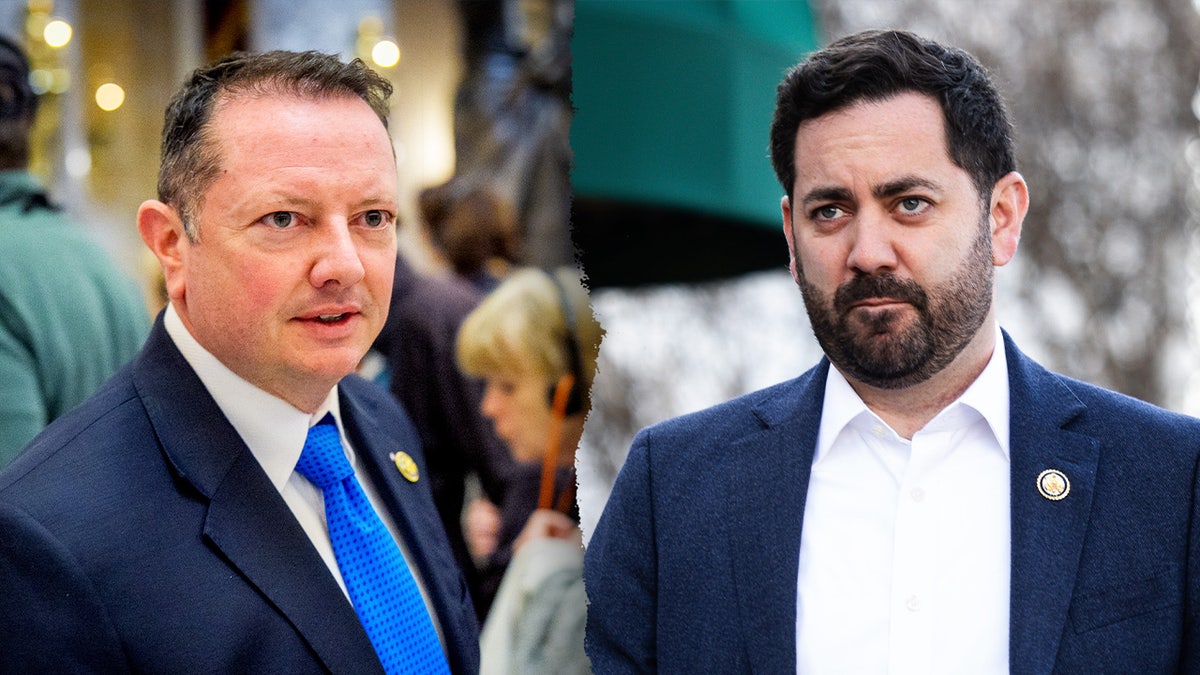
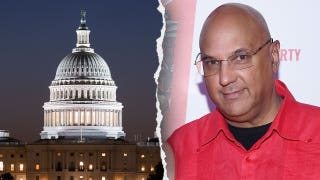
Rep. Eric Burlison, R-Mo., is among the conservatives angry over the decision by four House Republican moderates, including Rep. Mike Lawler, R-N.Y., to join a bid to force a vote on extending Obamacare subsidies. (Andrew Harnik/Getty Images; Tierney L. Cross/Getty Images)
Congress has now left D.C. until the new year with no plan in place to extend or replace those subsidies, and millions of Americans are now facing heightened healthcare costs in a matter of days.
The majority of Republican lawmakers are opposed to extending those subsidies, calling them a pandemic-era initiative that's part of an overall broken system.
But several GOP lawmakers have warned that a failure to extend the subsidies, preferably with reforms, would negatively impact people across the country — as well as Republicans headed into a tough re-election year.
Several GOP plans have emerged for another short-term extension to give Congress an off-ramp while they work on a new healthcare plan, but leaders in the House and Senate showed no appetite for taking them up.
The four House Republicans who joined Democrats' push for a three-year extension — Reps. Mike Lawler, R-N.Y., Brian Fitzpatrick, R-Pa., Robert Bresnahan, R-Pa., and Ryan Mackenzie, R-Pa. — have argued that their own leaders left them with no choice but to tack onto a pathway they did not want to support to extend the subsidies.
"Ultimately, the failure to bring a vote left us with little choice," Lawler told reporters last week.
But it's inflamed tensions with conservatives, threatening an already-unsteady peace in the House GOP's razor-thin majority.
"For any Republican to be supportive of Obamacare is really gross and a betrayal to everything that we've ever promised voters," Rep. Lauren Boebert, R-Colo., said. "I mean, this is the Democrats' fault. They are the ones who made insurance, health insurance, unaffordable and unreliable."

Rep. Randy Fine, R-Fla., leaves the U.S. Capitol in Washington, Sept. 4, 2025. (Tom Williams/CQ-Roll Call, Inc via Getty Images)
She noted that House Republicans did pass a bill with some modest healthcare reforms before they left Washington, but conceded "we need to do a lot more."
Rep. Randy Fine, R-Fla., told Fox News Digital, "I think it's disappointing — why people would want to bail out Obamacare, I don't understand."
"That discharge petition forces our children to go into greater debt," Fine said. "We should be focused on destroying Obamacare, not bailing it out."
A discharge petition is a mechanism for forcing a vote on legislation over the wishes of House leaders, provided it gets support from more than half of the lawmakers in the chamber.
HOME FOR THE HOLIDAYS ON THE HILL: 'FIGHTING' IN THE HOUSE REPUBLICAN 'FAMILY'
In this case, the four moderates helped House Minority Leader Hakeem Jeffries, D-N.Y., clinch a majority of signatures on his petition, setting up a vote early next month.
Lawler criticized Jeffries as "not interested in actually solving the problem" in his comments to reporters last week, however.
"He wants it to fail so he can use the issue. Otherwise, you would get the bipartisan discharge to move. And that's the unfortunate thing," Lawler said. "But my view is, doing nothing is the worst thing. And that's why Brian Fitzpatrick, myself, Robert Bresnahan and Ryan Mackenzie signed the discharge."
Meanwhile, Mackenzie said he spoke directly with one of his fellow House Republicans who was critical of their move.
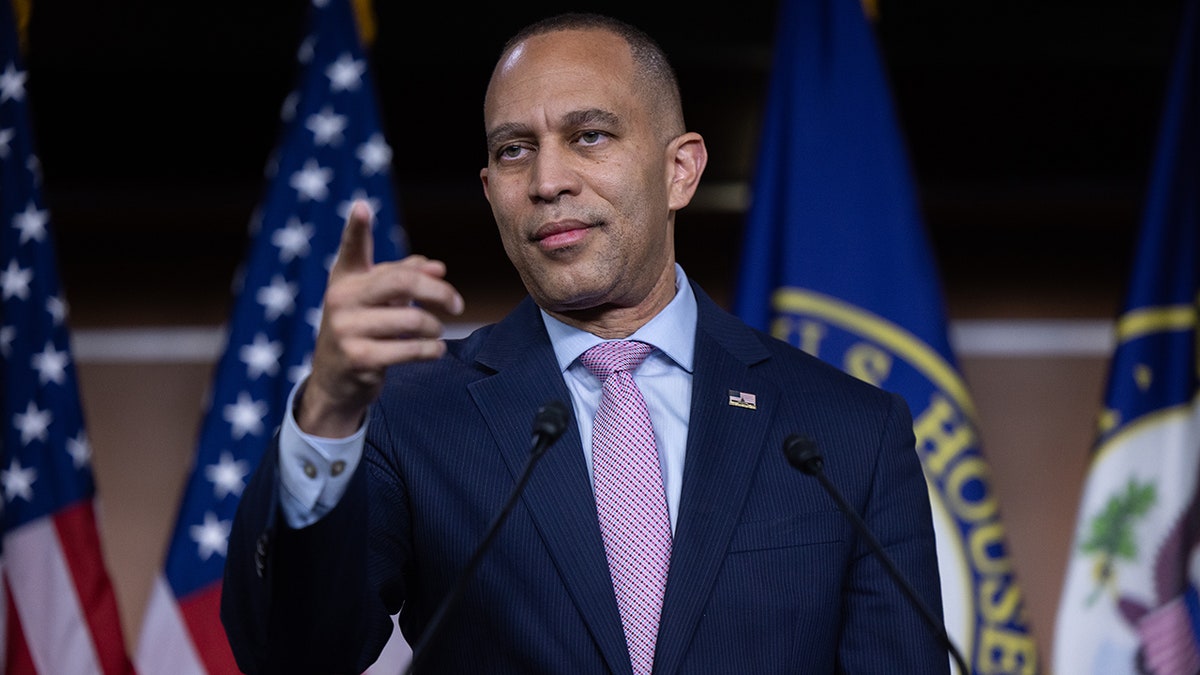
House Minority Leader Hakeem Jeffries, D-N.Y., speaks during a press conference in Washington, Nov. 20, 2025. (Nathan Posner/Anadolu via Getty Images)
"I went to him directly and said, ‘I would like to talk to you about your comments.’ I said, ‘I need to explain to you why I voted this way.’ Here's an anecdote from my district about an individual, a small business owner, a restaurateur. For him and his family, without the premium tax credits, he goes from $399 a month up to $931 a month, and what that meant for him was that he was going to de-enroll and hope that nothing happened to his family," Mackenzie told reporters last week.
"I said, that is not a great outcome for that individual, so we're looking for some kind of relief or reform. And when ultimately we had that long conversation with the individual … we came to a much better resolution. We both were more understanding of each other."
House Freedom Caucus Chairman Andy Harris, R-Md., did not appear as frustrated as some of his colleagues but predicted "it will die in the Senate."
CLICK HERE TO DOWNLOAD THE FOX NEWS APP
The House GOP's healthcare plan, which did not include an extension of the subsidies, passed last week with support from all Republicans, save for Rep. Thomas Massie, R-Ky. It got no Democratic "yes" votes.
The nonpartisan Congressional Budget Office (CBO) estimated that enacting the bill would reduce the federal deficit by $35.6 billion for a 10-year period through 2035.
If the bill became law, it would also decrease the number of people with health insurance by an average of 100,000 per year between 2027–2035 and lower gross benchmark premium costs by an average 11% through 2035, CBO said.
However, it's not immediately clear whether it will be taken up by the Senate.
