












Former RNC chair Michael Whatley speaks out on the future of MAGA, conservative movement
North Carolina GOP Senate hopeful Michael Whatley speaks to Fox News Digital about his key race after 2025's rough Republican results. (Credit: Fox News Digital)
Former Republican National Committee chairman Michael Whatley and former North Carolina Gov. Roy Cooper have secured the Republican and Democratic nominations respectively to succeed retiring Sen. Thom Tillis, R-N.C.
Whatley, of Boone, and Cooper, of Nashville, were heavily favored to win their contests in a state that has been tough for Republicans at the gubernatorial level and for Democrats at the presidential level.
Cooper faced businessman Daryl Farrow and technology sector consultant Justin Dues — both prior candidates for U.S. House — along with Pastor Orrick Quick and several perennial candidates.
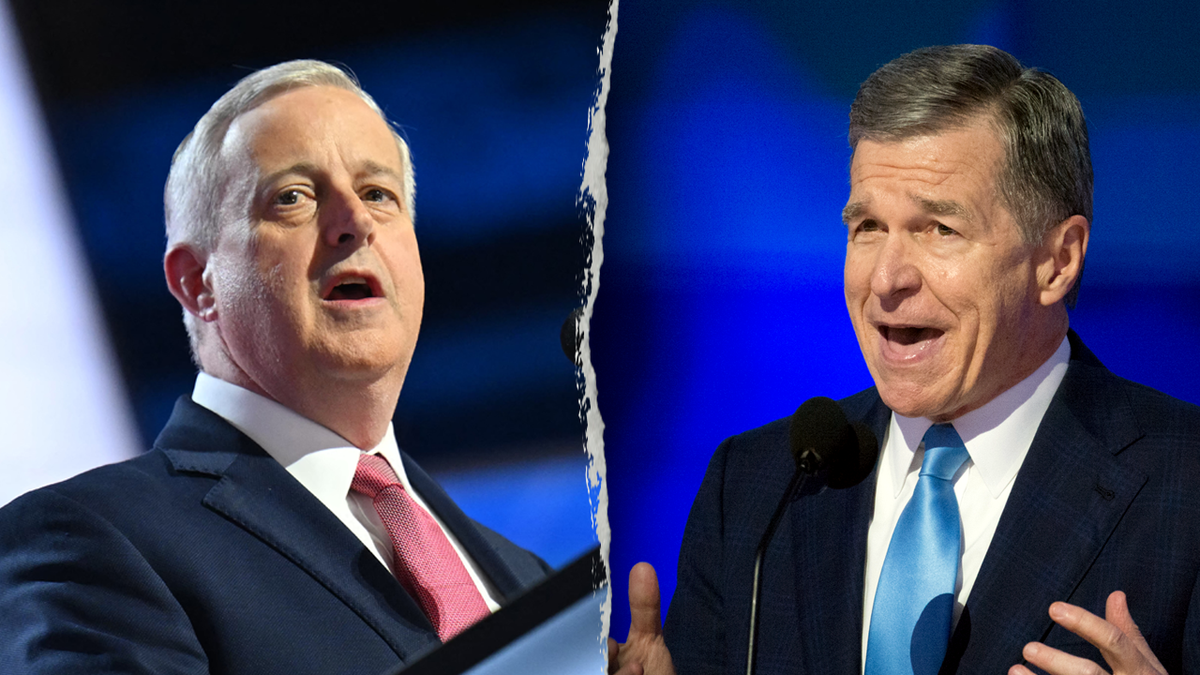
Republican Michael Whatley, left; Democrat Roy Cooper, right. (ANGELA WEISS/AFP via Getty Images; Jacek Boczarski/Anadolu via Getty Images) (ANGELA WEISS/AFP via Getty Images; Jacek Boczarski/Anadolu via Getty Images)
Whatley faced retired Navy JAG officer Don Brown, who previously ran for Congress against Rep. Mark Harris, R-N.C. Another major GOP candidate was former Wake County school board candidate Michele Morrow.
Immigration has been a key issue in the race, as Whatley has hammered Cooper for repeatedly vetoing bills from Raleigh’s state legislative Republican majority that would have compelled local cooperation with ICE.
"If Roy Cooper had not vetoed legislation that would have forced sheriffs to honor the ICE detainers, then these people would not have been on the street," Whatley said.
ICE, along with Tarheel State-native Border Patrol Cmdr. Gregory Bovino, captured at least 120 illegal immigrants in Charlotte and the Triangle during operations last year.
"It's unfortunate that the Trump administration has to go into a city like Charlotte and help to clean up the city. It would be great if the state and the local officials were to be as concerned for their citizens as they were for the illegal immigration advocates that they're pushing," Whatley added at the time.
Cooper vetoed at least three bills during his eight-year tenure dealing with ICE cooperation that were drafted by the GOP-majority legislature.

In August 2019, Cooper vetoed a bill from current House Speaker Destin Hall, R-Lenoir, that would have required sheriffs to honor ICE detainers and hold suspects until they could be transferred to the feds.
Cooper reportedly said the bill was trying to use "fear to divide North Carolina," but the effort eventually succeeded as part of a package expanding private-school vouchers.
Cooper has pushed back, with a spokesman telling Fox News Digital that sheriffs in Wake, Mecklenburg and Durham counties all opposed Republicans’ legislation – and backed his own move to veto them. Eight other sheriffs backed Cooper's veto.
"Roy Cooper is the only candidate who spent his career prosecuting violent criminals and keeping thousands of them behind bars, and numerous North Carolina sheriffs spoke out against this legislation at the time because of a lack of resources; a problem that Washington, D.C. insider and Big Oil lobbyist Michael Whatley has made worse because of his support for cuts to local law enforcement," the spokesman said.
The race sets up a high-stakes fall general election, where Whatley hopes to maintain Republicans’ grip on the seat, and a Cooper win could throw the Senate’s Republican majority into jeopardy.
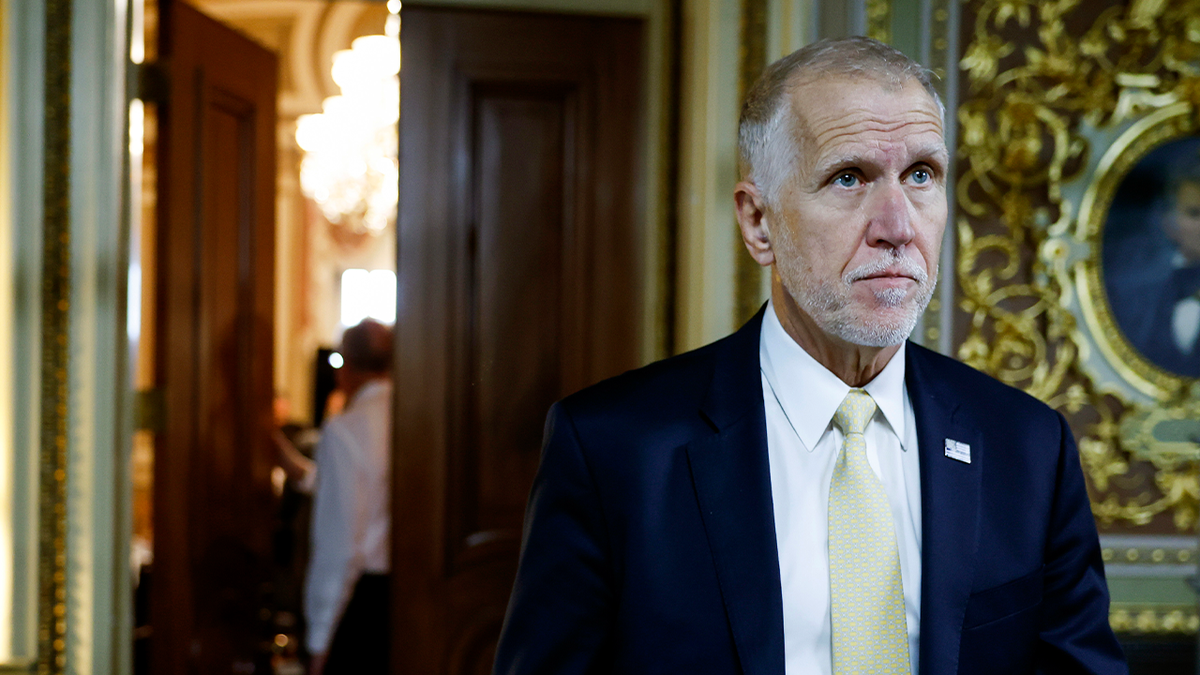
Sen. Thom Tillis (R-NC) departs from a luncheon with Senate Republicans at the U.S. Capitol Building on June 01, 2023 in Washington, DC. The Senate is expected to take up The Fiscal Responsibility Act, legislation negotiated between the White House and House Republicans to raise the debt ceiling until 2025 and avoid a federal default. The House passed the bill last night with a bipartisan vote of 314-117. (Photo by Anna Moneymaker/Getty Images) (Photo by Anna Moneymaker/Getty Images)
CLICK HERE TO DOWNLOAD THE FOX NEWS APP
The last time a Democrat held a North Carolina U.S. Senate seat was from 2009–2015 with Sen. Kay Hagan, whom Tillis eventually defeated.
Before that, scandal-plagued vice presidential candidate John Edwards split the state’s representation with Republican Elizabeth Dole, the wife of 1996 GOP presidential nominee Bob Dole.
