January 27, 2026 It is 'critically important' that Trump make this case: Kellyanne Conway Fox News contributor Kellyanne Conway and Democratic strategist Doug Schoen discuss how Republicans can restore consumer confidence in the Trump administration's economic agenda on 'The Ingraham Angle.'
January 20, 2026 Democrats are running out of things to complain about on the economy, says former Trump economist Fox News contributor Robert Wolf and former Trump senior economist Steve Moore debate how affordable President Donald Trump's economy is on 'America Reports.'
January 13, 2026 'NO ACCIDENT': Dana Perino touts what 'takes policy' to achieve 'The Five' discusses President Donald Trump touting soaring growth and investment in Detroit as Democrats complain about inflation.
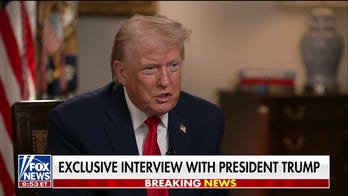
January 8, 2026 President Trump: Nobody ever thought this would happen President Donald Trump touts how he is lowering costs for American families and more during an exclusive interview on 'Hannity.'
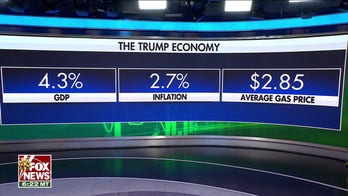
January 2, 2026 STEPHEN MOORE: Economists keep missing the Trump boom — and they won't admit it Donald Trump's economy delivers 4.3% GDP growth in third quarter, defying 90% of economists who predicted weaker performance and higher inflation rates.
December 31, 2025 Why economists are feeling more confident about 2026 Economist Steve Moore explains why confidence in the economy is rising, pointing to strong growth and improving inflation trends ahead of 2026 on ‘The Will Cain Show.’
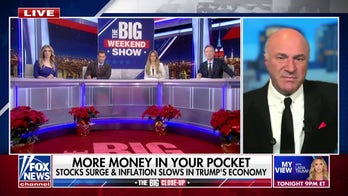
December 27, 2025 Kevin O’Leary says the ‘kitchen table’ will measure economic satisfaction ahead of midterms O’Leary Ventures chairman Kevin O’Leary explains why he thinks that fine-tuning tariffs can bring inflation down and discusses the affordability crisis on ‘The Big Weekend Show.’
December 24, 2025 GDP hits fastest pace in two years as 2025 'sets the table' for year ahead, Riggs says FOX Business' Taylor Riggs breaks down why the economy is growing, prices are cooling and why many families still feel like they are falling behind heading into 2026.
December 10, 2025 Fed cuts interest rates as Trump touts booming economy Gramercy Funds Management chair Mohamed El-Erian discusses the impact of the Federal Reserve's quarter-percentage-point rate cut, the state of the economy and more on ‘America Reports.’
December 9, 2025 Sean Hannity: This is good news for hard-working Americans Fox News host Sean Hannity commends President Donald Trump's economic wins for the country on 'Hannity.'