






















States push for authority to stop prison drone drops
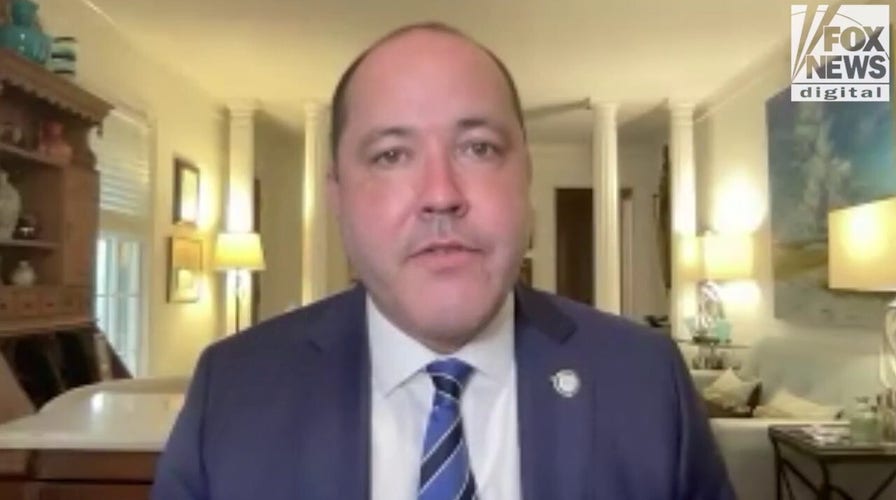
Georgia Attorney General Chris Carr warns drones are being used to smuggle weapons, drugs and cellphones into prisons, as states push the Trump administration for greater authority to stop them.
FIRST ON FOX: A coalition of more than 20 state attorneys general is urging the Trump administration to expand state authority to combat drones, warning that current federal limits and legal uncertainty are allowing contraband to be flown into prisons with little ability for local officials to stop it.
"We have a situation where drones are being used to drop drugs, cellphones, weapons, razors, knives, whatever it may be behind the wire in a prison," Georgia Attorney General Chris Carr told Fox News Digital. "It's causing all kinds of problems."
In a Friday letter to the White House’s Task Force to Restore American Airspace Sovereignty, Carr led a group of more than 20 state attorneys general from across the country asking for "carefully defined authority" for states to detect, monitor and mitigate unauthorized drones, including stopping them before contraband is delivered.
Airspace in the United States traditionally has been controlled by the federal government, leaving state and local officials with limited authority to respond to drones involved in illicit activity.
UNAUTHORIZED DRONES DETECTED OVER U.S. AIR FORCE BASE HOUSING NUCLEAR-CAPABLE B-52 BOMBERS: MILITARY
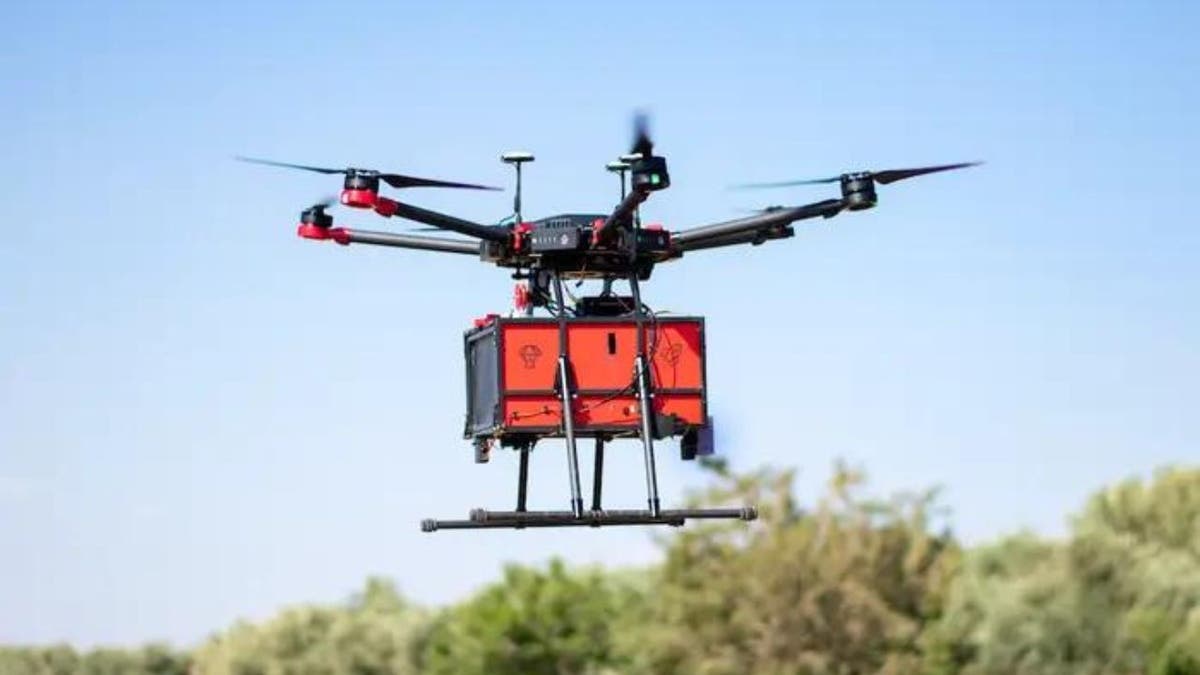
A coalition of more than 20 state attorneys general is urging the Trump administration to expand state authority to combat drones. (Flytrex)
The task force was created by President Donald Trump to review drone threats and recommend changes to U.S. airspace policy.
In recent years, however, states and law enforcement groups have increasingly pushed for expanded authority, arguing that federal restrictions have left them able to detect drone threats but not stop them in real time.
Congress has started to respond, including through provisions in the National Defense Authorization Act that would allow trained state and local agencies to take limited counter-drone actions in certain circumstances, such as near prisons and critical infrastructure.
But those authorities remain restricted, and many state officials say they do not go far enough.
US MILITARY SHOT DOWN PARTY BALLOON NEAR EL PASO AFTER SUSPECTING DRONE, OFFICIAL SAYS
Carr said the limitations have created uncertainty for officials responding to drone activity over prisons.
"There is a lot of question as to whether federal law preempts state law," he said. "It doesn’t say specifically what you’re allowed to do nor what you are prohibited from doing."
The attorneys general argued in their letter that this lack of clarity has left correctional officials — who often are the first to detect drone activity —without the tools to intervene before contraband is delivered.
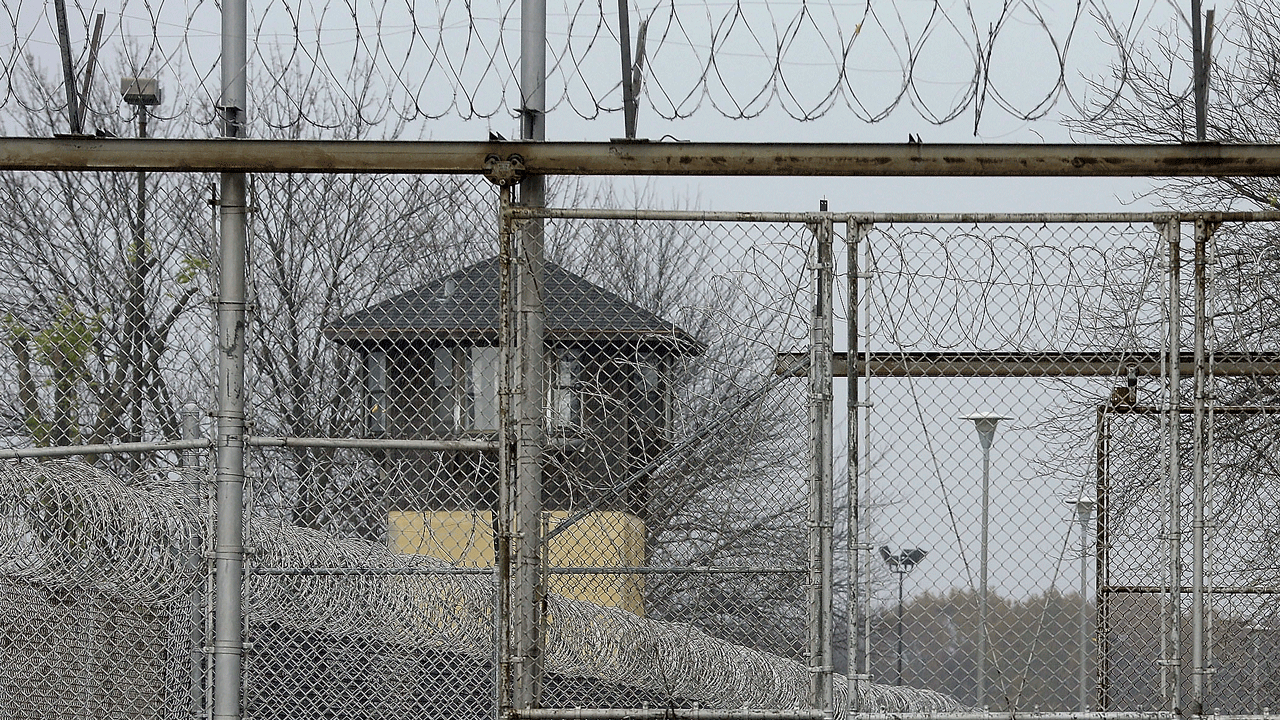
"We have a situation where drones are being used to drop drugs, cellphones, weapons, razors, knives, whatever it may be behind the wire in a prison," Georgia Attorney General Chris Carr told Fox News Digital in an interview. (Seth Perlman, File/The Associated Press )
Georgia's Department of Corrections averages around 58 drone incidents per month, but that figure is "just what we know and see," Carr said. "That's the problem."
State officials recorded roughly 500 drone-related incidents over Georgia correctional facilities in 2025, according to Carr, resulting in the seizure of nearly 1,200 cellphones.
"We need to give corrections and law enforcement the tools they need to stop it before it becomes a mass casualty event."
PENTAGON WATCHDOG WARNS DRONE INCURSIONS REQUIRE 'IMMEDIATE ATTENTION' AT US MILITARY BASES
The push from state attorneys general comes amid a broader effort by state and local officials to gain greater authority over drones, particularly as their use in criminal activity has increased.
CLICK HERE TO DOWNLOAD THE FOX NEWS APP
Law enforcement groups and corrections officials have in recent years urged Congress to expand counter-drone powers, arguing that while agencies can often detect unauthorized drones, they lack the legal authority to stop them.
"Detection without mitigation is not a viable strategy for public safety," a group of 17 law enforcement groups wrote in a letter to Congress in August 2025. "Now is the time to act to provide law enforcement with the authority and tools necessary to meet this moment."
"We commend Congress for supporting proposals that provide funding for drone detection and tracking systems. But without corresponding legal authority to mitigate threats, that funding cannot be fully leveraged to protect our people."
The 2026 FIFA World Cup and 2028 Summer Olympics, which will be hosted in Los Angeles, bring added urgency to the matter.
The White House could not immediately be reached for comment on the letter.
More from Politics



Fox News Politics
Get the latest updates from the 2024 campaign trail, exclusive interviews and more Fox News politics content.
By entering your email and clicking the Subscribe button, you agree to the Fox News Privacy Policy and Terms of Use, and agree to receive content and promotional communications from Fox News. You understand that you can opt-out at any time.
