


































All you need to know about safe rooms
'The Property Man' Bob Massi tours different types of emergency hideouts
Despite Hollywood’s hype, a safe room – like the one in the Jodie Foster movie “Panic Room” – isn’t just for protection from intruders. Many families are modifying their homes to include a space that offers additional protection during unexpected events. Creating a reinforced area in your home can help keep your family safe from dangerous weather like tornados and hurricanes. And while basic security measures such as dogs, outdoor sensors and battery or wireless alarm systems can deter intruders, you’ll have a safe place to wait for help to arrive if your home is breached.
Anyone can add a safe room to his home. While there are builders, like Carl Ludecke, who specialize in home reinforcement, you can also obtain information for building a safe room from the Department of Homeland Security via the Federal Emergency Management Agency (FEMA). Whether you are a do-it-yourselfer or plan to hire a contractor, planning ahead is the key to having a room that can withstand a worst-case scenario.
Build? Renovate? Buy?
Decide how you want to use your space. Whether you are building a new room or fortifying an existing space, visit disastersafety.org and review the standards for “fortified homes.” Some people reinforce pre-existing spaces in their homes, like walk-in closets or pantries. Others buy pre-made shelters, like the “StormRoom” from DuPont, which is made of Kevlar and epoxied to a garage floor. The StormRoom has been tested to withstand a Category 5 hurricane (which means it will probably withstand a home invasion as well).
Construction Necessities
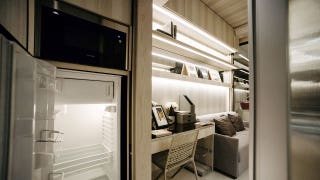
Your safe room should be accessible from multiple areas of the home. The walls should be thick and reinforced, and it should be windowless, with good ventilation. There should be enough space for all your family members. The door – the potential weak point in a safe room – should be made of steel, and it should always open into the room, in case debris from a storm piles up against it.
Stocking your Safe Room
Ideally, you will have cellphone service in an emergency. But a cellphone is not 100 percent reliable, so many people choose to run a buried landline into their safe rooms. You should keep a spare cellphone and charger and a backup landline in the room, since family members may not grab their phones in an emergency. You want to have supplies for up to 48 hours (the Department of Homeland Security offers a handy checklist for basic emergency supplies). Stock up on food that doesn’t require refrigeration or cooking, since you may not have power. Store at least one gallon of water per person. If you are in a cold climate, make sure you’ve got warm clothing and sleeping bags. If you’ve got kids, low-tech games like puzzles and cards will help pass the time. Don’t forget flashlights and extra batteries. If you think you’ll be in the safe room for an extended period of time, a camping toilet may be warranted. If anyone in your family has special needs – diapers, medicines, etc. – make sure you’ve got a supply on hand. A first-aid kit and a fire extinguisher should also be kept in the safe room.
Have a Plan
A safe room is not a safe haven if you can’t get to it in time. Make sure, when there is no imminent threat, that your family practices for when there is. Every family member must know his or her responsibilities and how to get to safety.
