


































There's been plenty of talk about what to do about the $2.5 trillion medical care system. Now the focus in Washington, D.C., is turning to Congress as it considers taking action on the fiercely debated reform proposals.
A top Senate Democratic negotiator on health care reform said he's moving forward with President Obama's chief domestic initiative next week -- with or without Republicans.
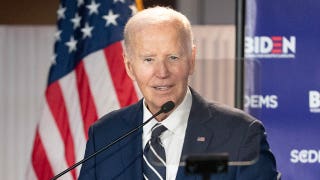
Obama delivered a nationally televised speech to a joint session of Congress on Wednesday in which he embraced several Senate proposals and set a 10-year spending target of $900 billion. On Saturday, he again pressed his case for the need for reform, at a rally in Minneapolis, and he'll appear Sunday on CBS' "60 Minutes" and is planning trips to New York, Ohio, Pennsylvania and Maryland.
But Congress will have the final say on whether health care reform legislation becomes a reality.
Sen. Max Baucus, D-Mont., chairman of the Senate Finance Committee, the remaining congressional panel yet to release its version of a health reform bill, said Democrats, in an effort to court Republicans, have agreed to reduce medical malpractice costs and to make sure that illegal immigrants do not receive government-funded health insurance and that tax dollars are not used for abortion.
Baucus plans to present his draft plan next week to the full committee, a plan that will feature nonprofit cooperatives instead of a government-run insurance plan. At the same time, the Congressional Budget Office is expected to reveal the estimated price tag.
The Finance Committee hopes to vote on the Baucus plan shortly afterward.
If that happens, Baucus will try during the last week of September to combine his bill with one approved by the committee once chaired by the late Sen. Ted Kennedy, which includes a so-called "public option."
In the House over the next three weeks, Speaker Nancy Pelosi must combine into three bills, from the Way and Means Committee, Education Committee and Energy Committee.
It's possible the full House could vote on a single bill by the first week in October. The Senate nearly always votes after the House on major issues, yet despite the improbably accelerated pace, senators hope to agree on a single bill and pass their bill at the same time.
To avoid a bill-killing filibuster by Republicans, supporters in the Senate must assemble 60 votes in the 100-seat chamber. With Sen. Edward M. Kennedy's death, Democrats and the two sympathetic independents hold 59 seats. Their best hope for a GOP crossover is Sen. Olympia Snowe of Maine, one of the Finance Committee negotiators.
But Snowe may be loath to be the only Republican supporter and the crucial 60th vote. "I'm not going to speculate" on the possibility, she said Friday. "That is very dangerous territory."
If Snowe balks, the ultimate Senate bill may need a lower price tag or other changes to attract a few other Republicans, such as Ohio's George Voinovich, who is retiring. Liberals would chafe at such concessions.
Senate Democrats could try a contentious tactic, called "budget reconciliation," to pass portions of the health care package with simple majorities that are not subject to filibusters. Some liberal groups urge this strategy. Senate insiders consider it unlikely.
By the third week of October, both the House and Senate would like to have their separate bills passed because then they must still go to a conference committee to work out a compromise that both chambers would still have to approve a final time.
The yet-to-be-appointed House-Senate conference committee will be a small group dominated by Democrats that wields extraordinary power, including the right to add provisions that neither the House nor Senate passed.
Some lawmakers think the panel could try to split the difference on the public insurance question. A possible compromise would be to replace the House's public option and the Senate's cooperatives with a "trigger" or "fallback" public plan, which would take effect only if private insurers fail to meet targets for providing affordable policies.
In another hurdle for the legislation to clear, the conference committee would send its reconciled bill to the House and Senate for a final yes-or-no vote, with no amendments allowed. House liberals might be furious over various concessions, but Democrats think they would hold their noses and pass the bill.
In the Senate, opponents could try one last filibuster. If so, the bill's backers would need at least one GOP vote, as before. And they would need all, or virtually all, of the Senate Democrats to agree to let the bill reach the floor, even if some plan to vote against it on final passage, which requires only a simple majority.
House and Senate Democrats might find plenty to complain about in the final bill produced by the conference committee, said Richard Kirsch of the liberal Health Care for America Now. But they will feel tremendous pressure to vote for a long-sought health care overhaul, flaws and all.
FOX News' Carl Cameron and The Associated Press contributed to this report.
More from Politics




Fox News Politics
Get the latest updates from the 2024 campaign trail, exclusive interviews and more Fox News politics content.
By entering your email and clicking the Subscribe button, you agree to the Fox News Privacy Policy and Terms of Use, and agree to receive content and promotional communications from Fox News. You understand that you can opt-out at any time.
