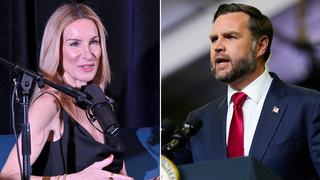
















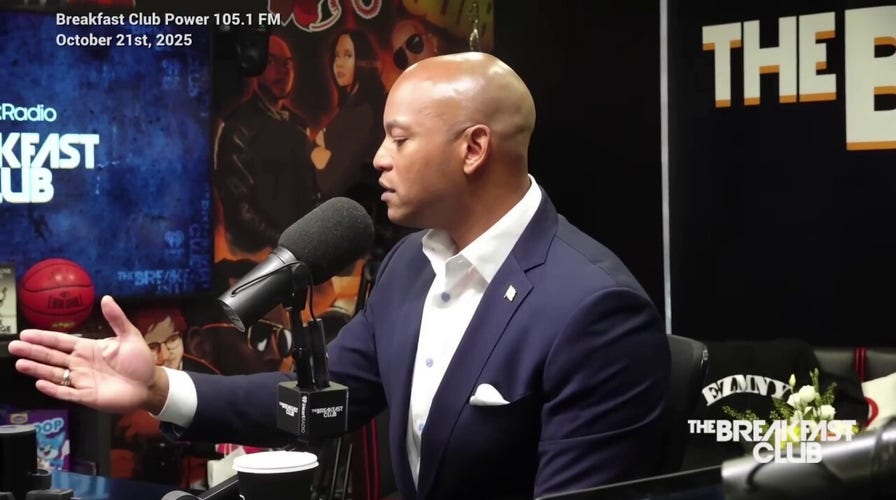
Gov Wes Moore explains that he vetoed a reparations study bill to focus on more immediate action
Gov. Wes Moore explained to radio host Charlamagne that his veto of a reparations-related bill was not a rejection of reparations policy but to show that the time of mere studies is over, arguing he is a 'person of action.'
The Episcopal Diocese of Maryland says it wants to "build up Black communities" through reparations grants aimed at addressing what it calls "systemic racism."
The Diocese will begin accepting applications Wednesday for its fifth round of reparations grants. It wants to "build up Black communities" and help "to repair the breach caused by systemic racism in Maryland," according to a statement on its website.
Recipients of the grants this year could be awarded between $25,000 and $50,000 based on a "competitive points system."
"The purpose of the reparations grants is not to benefit the institutional Church, but to help repair the lack of resources in communities of color in need and to repair our relationships with these communities," the Diocese said.
DEMOCRATIC GOVERNOR FACES PUSHBACK FROM LYNCHING RESEARCH COMMISSION OVER REPARATIONS STANCE
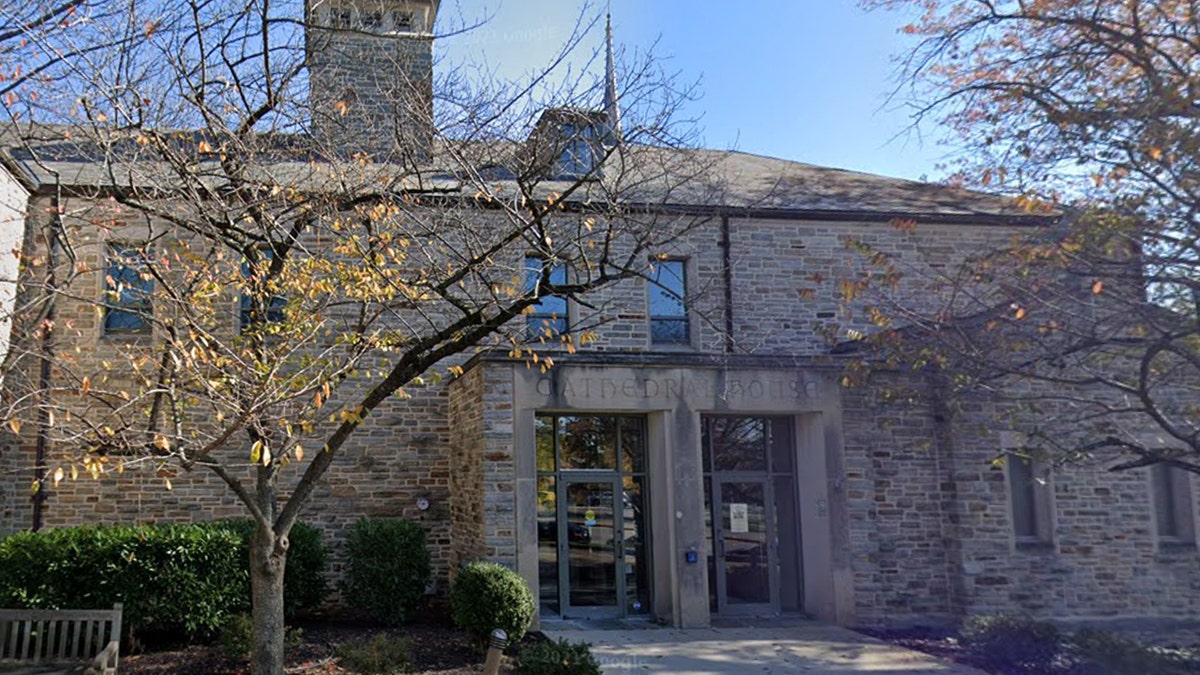
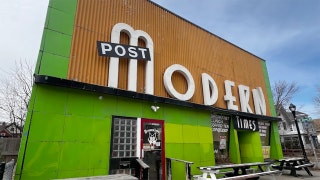
The Episcopal Diocese of Maryland wants to issue reparations to Black Maryland residents due to "systemic racism" and will begin accepting applications for its fifth round of reparations grants. (Google Maps)
According to the Diocese's website, the grants are open to organizations within its region, which includes central, southern and western Maryland — encompassing Allegany County and the City of Baltimore.
The Diocese oversees 10 counties across western, central and southern Maryland, along with 100 congregations and 23 schools.
The Diocese also seeks to support startups less than 3 years old whose mission aligns with its goals, noting that at least one grant will go to a new organization.
The reparations resolution passed Sept. 12, 2020, during the 236th Convention of the Episcopal Diocese of Maryland, establishing a $1 million seed fund for reparations.
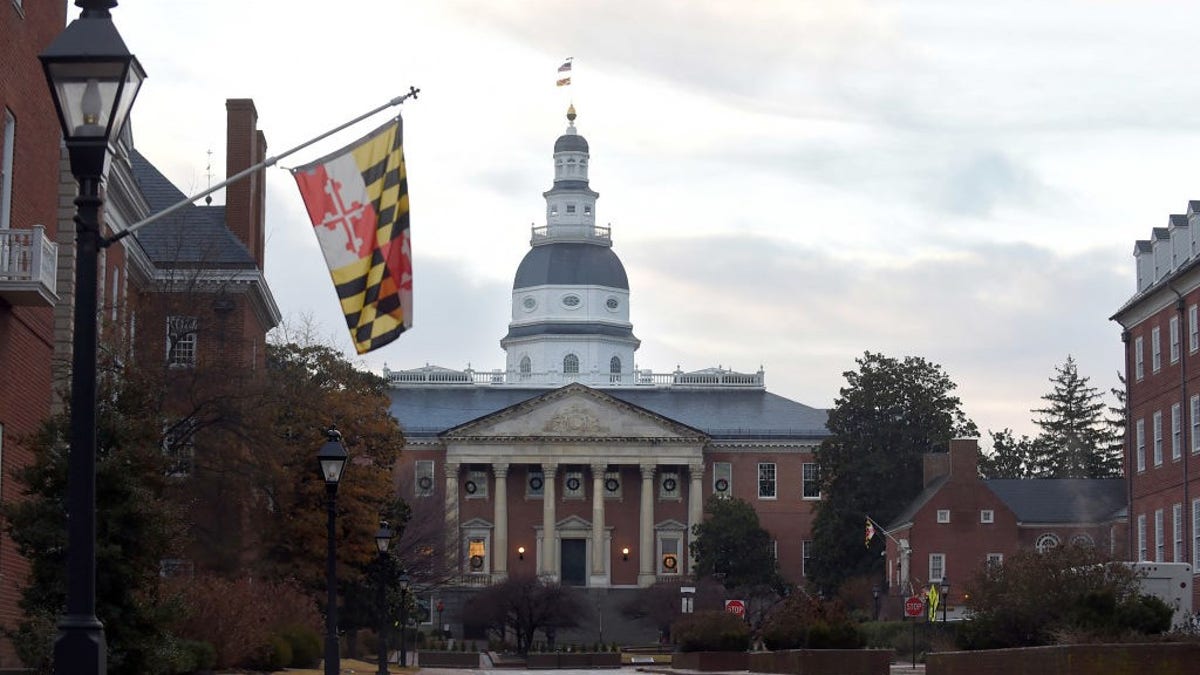
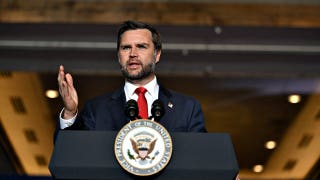
The Maryland Reparations Commission was established last month, overcoming Gov. Wes Moore's veto, which stemmed from his opposition to pursue studies of the past and rather take action on current issues. (Getty Images)
"Our diocese is taking next steps to infuse money into programs that are building up Black communities and helping to repair the breach caused by systemic racism in Maryland and in the United States," the Diocese said.
The Episcopal Diocese of Maryland did not immediately respond to Fox News Digital's request for comment.
The Diocese’s commitment to reparations comes amid Maryland’s broader effort to explore the issue. The Maryland Lynching Truth and Reconciliation Commission, created in 2019, released its final report last month, and it was described as the first state-sponsored initiative in the U.S. to investigate, document and "reckon with the history of racial terror lynching within its own borders."

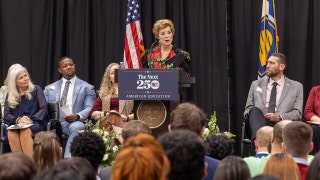
The Diocese's commitment to reparations comes amid the state of Maryland's effort to explore the issue. The Maryland Lynching Truth and Reconciliation Commission released its final report last month after being established in 2019. (Ozan Kose/AFP via Getty Images)
Among its 84 recommendations, the commission urged state leaders to atone for racial violence through cash payments, recommending $100,000 per descendant of lynching victims.
The Maryland Reparations Commission was created last month after lawmakers overrode Gov. Wes Moore’s veto. The governor said he opposed additional historical studies and instead wanted to focus on immediate solutions.
CLICK HERE TO GET THE FOX NEWS APP
The commission will appoint 23 members to assess local, state and federal policies from the Reconstruction and the Jim Crow eras.
Similar to the Maryland Lynching Truth and Reconciliation Commission, the Maryland Reparations Commission will recommend reparations ranging from cash compensation to a statement of apology.
