


















Gov Wes Moore explains he vetoed reparations study bill in order to focus on more immediate action
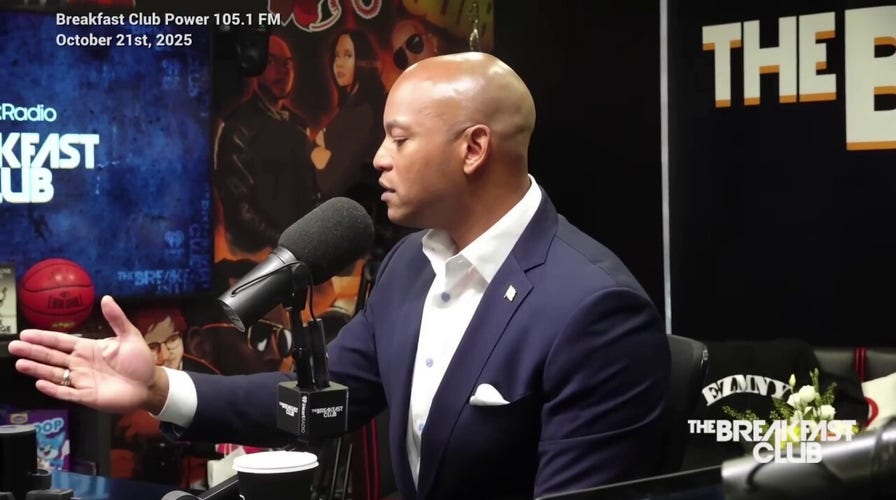
Gov. Wes Moore explained to radio host Charlamagne that his veto of a reparations-related bill was not a rejection of reparations policy, but to show that the time of mere studies is over, arguing he is a "person of action."
The Washington Post editorial board criticized Maryland's legislature on Thursday for overriding Democratic Gov. Wes Moore's veto of a "foolish" bill that established a reparations commission in the state.
"The Democratic supermajorities in the state legislature overrode his veto, meaning that unseemly and illogical arguments about reparations will once again be litigated in public," the editorial board wrote.
The Maryland Senate voted 31-14 to override the veto, while the House approved the override 93–35, exceeding the three-fifths majorities required in both chambers and clearing the way for the state to begin formally studying how to address the legacy of slavery and racial discrimination. Moore initially vetoed Senate Bill (SB) 587 in May, arguing that Maryland had already conducted extensive studies on the legacy of slavery and should focus instead on policies that directly narrow racial disparities.
"In most cases, it’s simply too complicated to ascertain whose ancestors wronged whom more than 150 years ago to be deserving of reparations today. Explicitly race-based reparations would also run into legal issues, as such discrimination is likely prohibited by civil rights laws," the editorial board added.
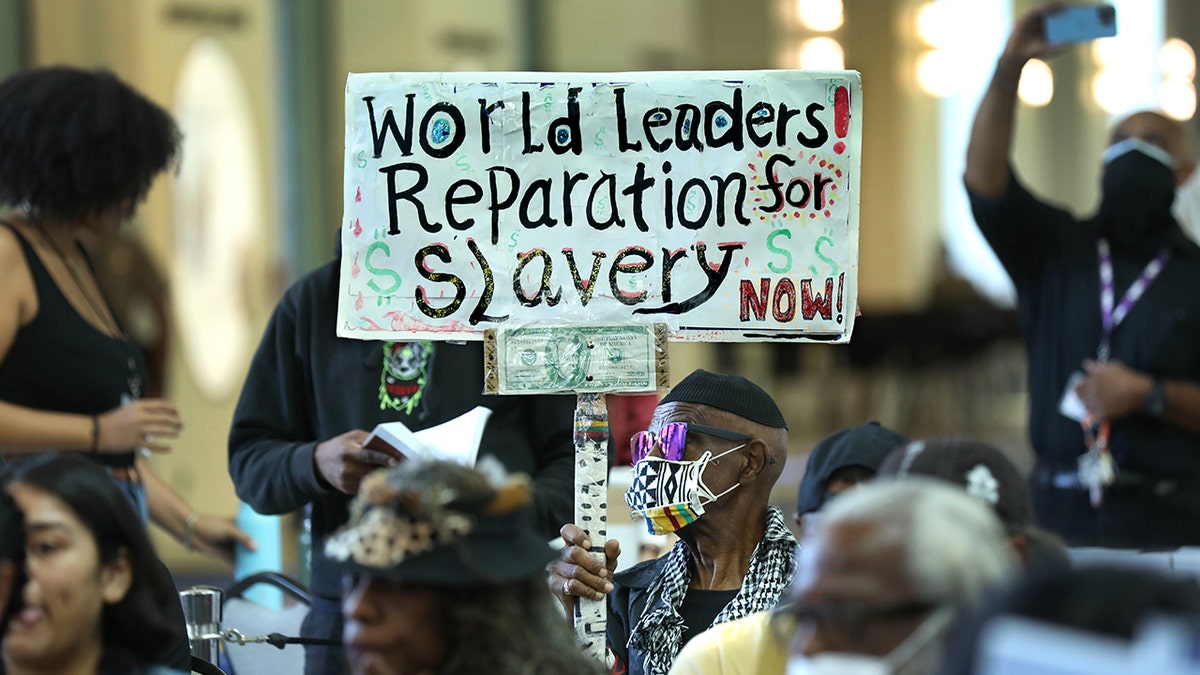
A Los Angeles resident holds up a pro-reparations sign as the Reparations Task Force meets to hear public input on reparations at the California Science Center in Los Angeles on Sept. 22, 2022. (Carolyn Cole / Los Angeles Times via Getty Images)
In his veto letter to Senate President Bill Ferguson, Moore noted that Maryland had already launched numerous commissions and study groups over the past 25 years, including one examining lynching and the state’s history of slavery.
The Post editors noted that other states and cities were also exploring reparations, including Massachusetts and San Francisco.
"They will all run into similar problems, which is why no jurisdiction anywhere in the country has ever successfully instituted reparations for African Americans, despite numerous attempts," they wrote. "Maryland will realize the same thing in due course, which is why legislators should have heeded Moore’s message. If overcoming racial discrimination was simply a matter of transferring money, it would be a whole lot easier to do."
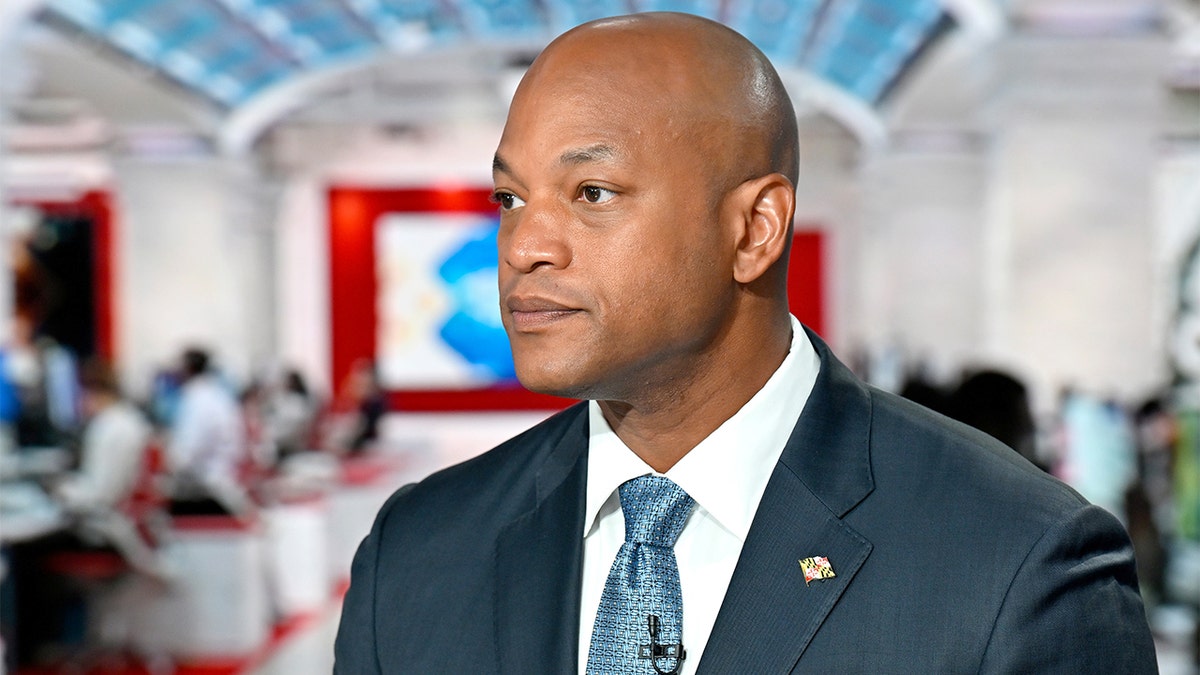
Gov. Wes Moore, D-Md., appears on "Meet the Press" in Washington, D.C., on Sept. 7, 2025. (Shannon Finney/NBC via Getty Images)
HOUSE DEMS REINTRODUCE REPARATIONS LEGISLATION: 'WE REFUSE TO BE SILENT'
With the veto override, SB 587 will now establish a commission to weigh possible forms of reparations, including official statements of apology, monetary compensation, property tax rebates, child care support, debt forgiveness and higher education tuition waivers and reimbursements.
A preliminary report is due Jan. 1, 2027, with a final report required Nov. 1, 2027. The commission is set to expire in the summer of 2028.
CLICK HERE FOR MORE COVERAGE OF MEDIA AND CULTURE
Moore spoke to radio host Charlamagne tha God in October about why he vetoed the legislation.
"What I said was, ‘I'm a person of action. I don't need more studies.’ I’m like, 'We've done four studies over the past 20 years on similar types of elements,'" he said. "By the way, one of which my wife worked on. And, so, when we're now talking about doing a two-year study on something that I already know the answer to, I'm like, ‘What are we studying?’"
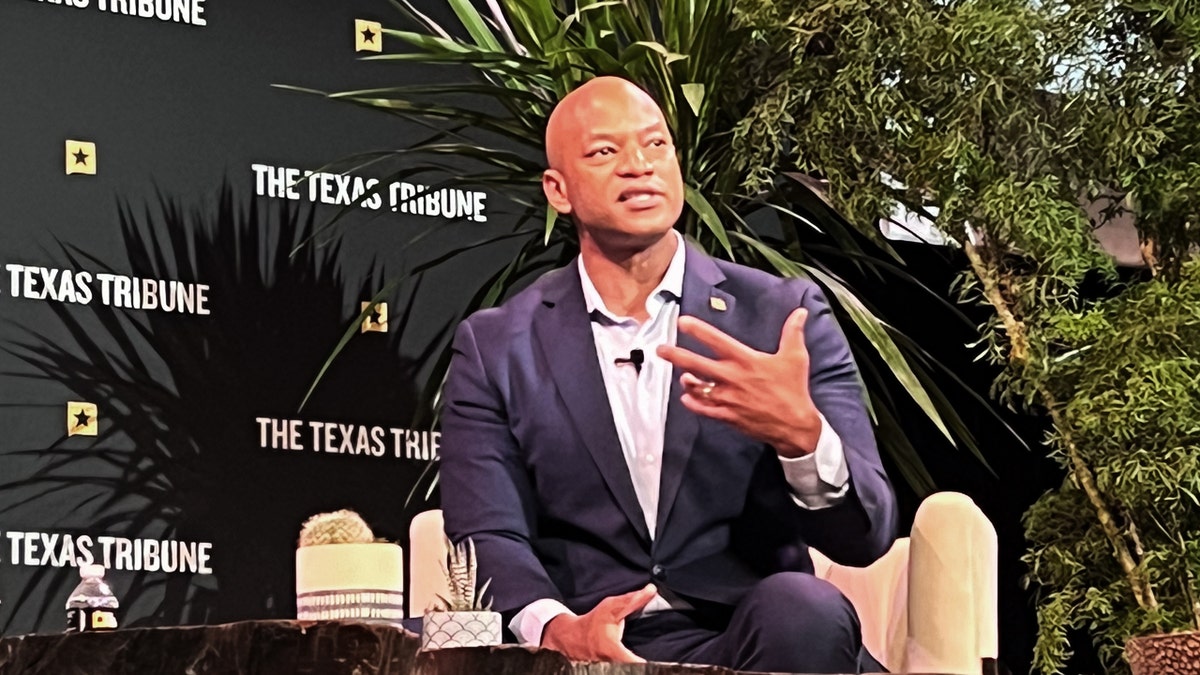
Democratic Maryland Gov. Wes Moore speaking at the 2024 Texas Tribune Festival in Austin, Texas, on Sept. 6, 2024. (Joseph A. Wulfsohn/Fox News Digital)
CLICK HERE TO DOWNLOAD THE FOX NEWS APP
He argued that he is already doing the actual work to address the problem.
"Frankly, I've been working very closely with the members of our caucus and members of the community around a whole series of these issues," he said at the time.
Fox News' Ashley Carnahan contributed to this report.
