Experts support call for lower cancer drug prices A group of 118 leading cancer experts have developed a list of proposals designed to reduce the cost of cancer drugs, and support a grassroots patient protest movement to pressure drug companies to charge what they deem a fair value for treatments.
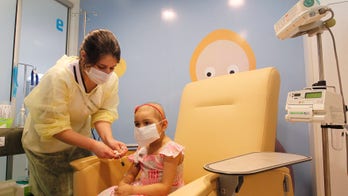
Computer training may improve memory for childhood cancer survivors Children who receive cancer treatments may suffer thinking problems later, but using an at-home computer training program can help reduce these deficits, according to a new study.
Boy endures teasing to grow hair 40 inches long for charity An 8-year-old Melbourne, Fla., boy grew his hair about 40 inches long over a two-year period to donate it to cancer and burn victims in need, MyFoxDC.com reported.
Artificial sweetener may help treat aggressive cancers, study finds For years, negative reports have surrounded artificial sweeteners, claiming evidence of everything from being a carcinogen to causing cardiovascular disease.
Jury awards woman $13M for exposure to asbestos in talcum http://www.wsj.com/articles/flashcards-get-smarter-so-you-can-too-1430253560
Fewer US teenagers using sunscreen, study finds Fewer U.S. teenagers are using sunscreen, even as skin cancer rates increase, a study found.
Online offers of personalized cancer medicine may not be trustworthy Tumor tests, genetic risk analyses and other products or services sold online as personalized cancer medicine are often not backed by evidence, according to a new U.S. study.
6 important things every woman should understand about breast cancer We hear so much about breast cancer (especially this time of the year) that it’s easy to think we’re on top of it.
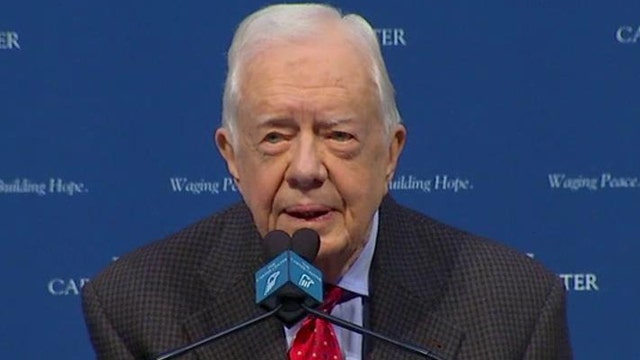
Jimmy Carter says cancer has spread to brain, will begin radiation treatment Former President Jimmy Carter announced Thursday that he will begin radiation treatment on cancer that is on multiple spots on his brain.
AstraZeneca taps Roche, Qiagen for new blood-based cancer drug tests AstraZeneca has signed up Roche and Qiagen to develop two separate diagnostic tests, both using simple blood samples, to identify patients who will benefit from its lung cancer drugs