Charity offers to pay for 7-year-old's lifesaving treatment; drug maker still refuses A pediatric cancer charity is offering to pay for 7-year-old cancer survivor Josh Hardy to receive lifesaving medication that could cure him of a potentially deadly virus. But Chimerix, the pharmaceutical company that produces the medication, is still refusing to give Josh the treatment he so desperately needs.
Study identifies 5 different types of prostate cancer Researchers at Cancer Research UK have discovered that there are actually five different types of prostate cancer.
Childhood cancer's new conundrum Adults who survived childhood cancer are facing a new health challenge: premature aging.
Weight tied to breast cancer risk in older women Overweight and obese women are at increased risk of developing breast cancer after menopause, compared to normal-weight women, a large new analysis finds.
Retired pastor credits recovery from 6 brain tumors to his faith in God In 1981, Scott Erdman was studying to become a pastor when he was diagnosed with melanoma. Six brain tumors and multiple systemic tumors later, he has won his battle with cancer— a feat he credits to his faith and cutting-edge medical technology.
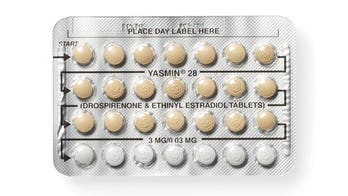
Long-term use of birth control pills linked to higher risk of brain tumors, study finds Taking certain forms of birth control for over five years more than doubles the risk of developing a rare brain tumor, a study led by a Danish neurologist has found.
Insufficient exercise may compromise survival rates for breast cancer patients Breast cancer patients who don’t get sufficient levels of exercise may experience a decreased quality of life and compromised survival rates, Medical News Today reported.
Vitamin C shows promise as cancer therapy Intravenous vitamin C – combined with conventional chemotherapy – can kill cancer cells, the University of Kansas Medical Center reported.
9/11 first responder needs hero of his own for life-saving transplant A FDNY firefighter who dedicated his life to saving others desperately needs a hero of his own. And that hero could be you.
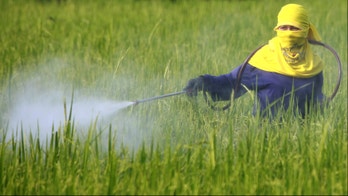
Monsanto weed killer can 'probably' cause cancer, WHO says The world's most widely-used weed killer can "probably" cause cancer, the World Health Organization said on Friday.