Daily aspirin may reduce ovarian cancer risk New research from the National Institutes of Health suggests women who take a daily low-dose aspirin may reduce their risk of ovarian cancer by 20 percent.
Black-white disparities widening in U.S. breast cancer deaths In the largest cities in the U.S., death rates from breast cancer have dropped across the board over 20 years, but far less so for black women than whites, according to a new analysis.
Vision impairment linked to worse quality of life While vision impairment can lead to lower quality of life on its own, the negative impact on daily activities may be even more pronounced for people who also suffer from other chronic health problems, a Korean study suggests.
Oh baby: Giving birth 10 times may reduce mom's cancer risk Women who give birth to 10 or more children may have a reduced risk of cancer, a new study from Finland suggests.
Marijuana harvested for medical use in Chile A Chilean municipality harvested legal medical marijuana Tuesday as part of a government-approved pilot project aimed at helping ease pain in cancer patients.
Merck cancer drug is first approved under UK early access scheme Merck & Co's cancer drug Keytruda, which works by boosting the immune system but has yet to be licensed in Europe, is the first medicine to be made available to patients in Britain under a new early access scheme.
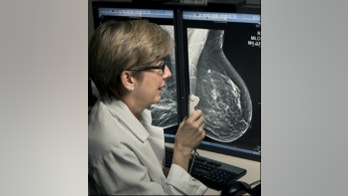
3D mammograms can better detect invasive cancers, reduce call-back rates In a new retrospective study published in the Journal of the American Medical Association (JAMA), researchers revealed that 3D mammography can significantly detect more invasive cancers than the traditional mammogram.
Terminally ill woman fighting for others’ rights to end their own lives When doctors told Brittany Maynard that her days were numbered due to a progressive brain tumor, the 29-year-old decided to take charge of her life, MyFox8.com reported.
Cancer remains leading cause of death among US Hispanics Cancer remains the leading cause of death among Hispanics in the U.S., driven in large part by lung malignancies in men and breast tumors in women, a new report finds.
AstraZeneca lung cancer drug approved as first-line treatment The U.S. Food and Drug Administration approved AstraZeneca Plc's drug, Iressa, as a first-line treatment for a common form of lung cancer.