













Empty Waymo vehicles swarm Atlanta neighborhood
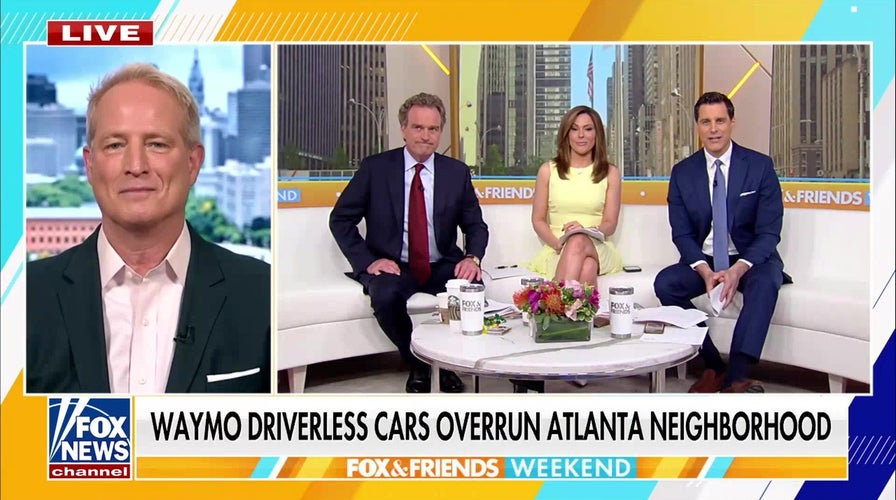
Atlanta residents captured alarming video of dozens of Waymo driverless cars continually circling their quiet neighborhood for hours. Tech expert Kurt Knutsson warns this 'AI takeover' raises significant safety concerns, especially for children, highlighting a critical lack of human intervention and company accountability from Waymo regarding these autonomous vehicles and potential glitches.
Waymo has filed a voluntary recall affecting 3,871 vehicles equipped with its 5th Generation Automated Driving System. According to the National Highway Traffic Safety Administration, the software may allow a Waymo vehicle to enter a closed freeway construction zone and continue driving.
Now, the Alphabet-owned robotaxi company is pulling back freeway operations while it works on a fix. The recall raises new questions about how robotaxis handle the messy, changing conditions people deal with behind the wheel every day.
Sign up for my FREE CyberGuy Report
- Get my best tech tips, urgent security alerts and exclusive deals delivered straight to your inbox.
- For simple, real-world ways to spot scams early and stay protected, visit CyberGuy.com - trusted by millions who watch CyberGuy on TV daily.
- Plus, you'll get instant access to my Ultimate Scam Survival Guide free when you join.
WAYMO UNDER FEDERAL INVESTIGATION AFTER CHILD STRUCK
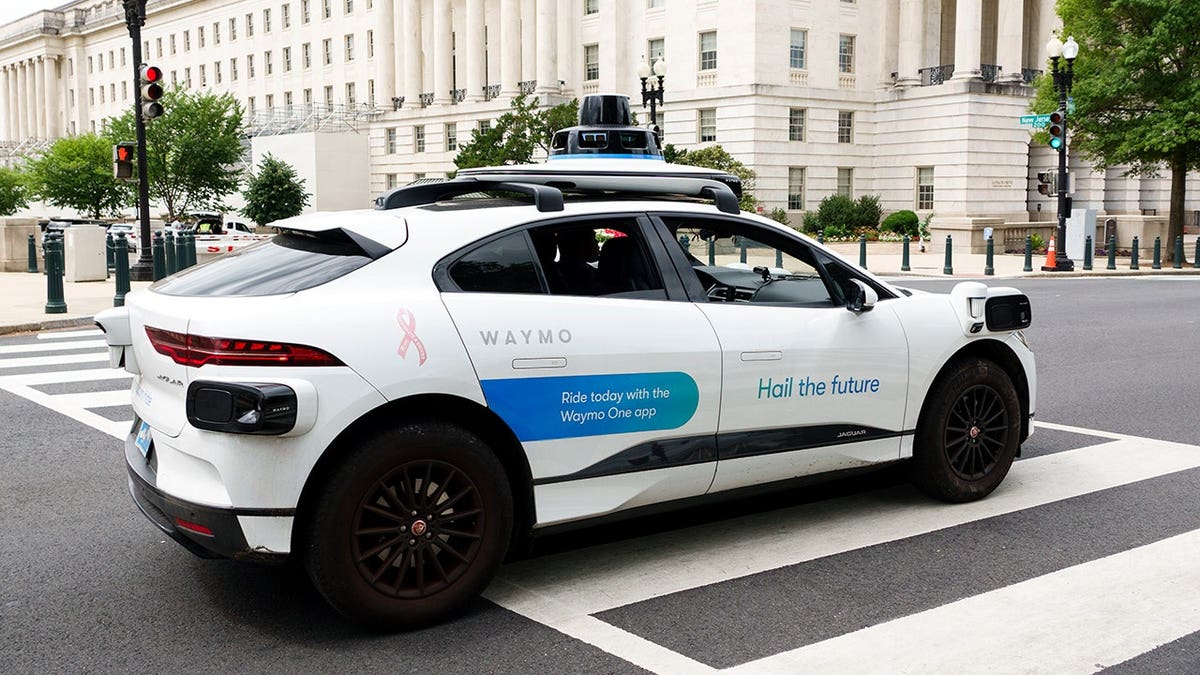
Waymo is recalling 3,871 robotaxis after software issues allowed some vehicles to enter closed freeway construction zones. The company has restricted freeway operations while deploying a fix. (Photo by Kevin Carter/Getty Images)
What happened with the Waymo recall
The recall is NHTSA Campaign Number 26E035000. It affects 3,871 Waymo vehicles using the company's 5th Generation ADS. In the federal filing, Waymo says the autonomous vehicle may enter and drive at speed in freeway construction zones because the software may fail to recognize the zone or may prioritize avoiding other freeway hazards.
Waymo's timeline shows the first cluster happened in Phoenix. The company reviewed one event from April 11 and five events from April 19, where vehicles drove past ramp closure signs into pre-planned freeway construction zones.
Then came the San Francisco Bay Area. On May 18, seven Waymo vehicles entered active freeway construction lanes by driving between cones. The filing says the system either failed to recognize the construction zone or gave more weight to avoiding other freeway hazards.
What Waymo did after the freeway incidents
Waymo restricted freeway driving after the Phoenix events while it made operational changes. After the San Francisco Bay Area incidents, Waymo suspended freeway driving more broadly while it worked to identify and address the root causes.
Waymo says no collisions or injuries were reported from these events. Still, the company says its review led it to temporarily restrict freeway operations while it works on additional software safeguards.
According to the federal filing, Waymo will update the Automated Driving System so vehicles can better detect when they are in a construction zone and avoid entering one. The remedy also includes additional operational protocols.
Because Waymo owns the affected vehicles, it says it will apply the remedy itself and update the filing after the fix is deployed.
Waymo's response to the robotaxi recall
A Waymo spokesperson told CyberGuy,
"Waymo's mission is to be the world's most trusted driver, and the data shows that we're making roads safer in the communities in which we operate.
We identified an area of improvement regarding performance around freeway construction zones. We voluntarily restricted freeway operations last month while making improvements, proactively notified state and federal regulators, and decided to file a voluntary software recall with NHTSA.
We continue to safely serve riders on surface streets in all the cities where we operate."
Waymo's own safety material adds important context. The company says its rider-only vehicles have driven 170.7 million miles without a human driver through December 2025. It also says the Waymo Driver had 92% fewer serious injury-or-worse crashes compared to an average human driver over the same distance in its operating cities, though that safety dashboard focuses on surface-street driving.
A voluntary Waymo recall targets vehicles equipped with its 5th Generation Automated Driving System after incidents in Phoenix and the San Francisco Bay Area. (Photo by Ben Montgomery/Getty Images for SXSW London)
Why construction zones are so hard for robotaxis
Construction zones change fast. Lane markings may disappear. Cones can shift. Temporary signs may conflict with the road layout a vehicle expects to see. Even human drivers get confused when a familiar ramp is suddenly blocked.
For an autonomous vehicle, all of that becomes a real-time software test. The car has to figure out what counts as a lane, barrier, sign or hazard. It also has to adjust when the map no longer matches the road.
Freeways are predictable by design. However, construction zones are inherently unpredictable. A driverless system may have strong sensors, detailed maps and trained models, but it still has to make the safest call when the road changes without warning.
The recall comes as Waymo grows fast
Waymo started offering freeway rides to public riders in the San Francisco Bay Area, Phoenix and Los Angeles in November 2025.
The company has also been expanding its ride-hailing footprint.
Waymo's official blog says it is laying the early groundwork for ride-hailing operations in more than 20 additional cities in 2026, including Tokyo and London.
The bigger question for driverless cars
This recall hits the heart of the robotaxi promise. Robotaxis are supposed to reduce human mistakes behind the wheel. Yet the road often changes faster than software can easily interpret.
That creates a trust gap. Most people do not expect perfection from human drivers. We see bad decisions every day. But when a driverless car makes a bad decision, it feels different because nobody is sitting behind the wheel to take responsibility.
The public will not judge Waymo only by its safety charts. People will judge it by the strange moments they see on the road, the videos that spread online and how quickly the company fixes problems when they surface.
What this means to you
If you take Waymo rides, the biggest immediate takeaway is that freeway rides may not be available while the company works on the fix. Waymo says surface-street service is continuing as normal in the cities where it operates, but your route may take longer if freeway rides are unavailable.
Before you book, check the route, price and estimated travel time in the app. During the ride, use the in-app support options if something feels wrong. Waymo says riders can tap Help, choose Get help and call for immediate assistance. In an emergency, call 911.
If you are sharing the road with robotaxis, treat them like any other vehicle, but give yourself extra room around construction areas. Do not assume a driverless car sees a temporary closure the same way you do. Stay calm, keep your distance and pay attention around the messiest parts of the road.
Watch the CyberGuy Live replay: Lock Down Your Phone in 30 Minutes
Your phone holds your email, passwords, photos, banking apps and personal data. In this free CyberGuy Live replay, Kurt the CyberGuy walks you step by step through simple phone security fixes you can do at your own pace. You’ll learn how to improve your privacy settings, spot the latest phone scams, use trusted security tools and walk away with a simple checklist to stay protected. Watch the replay and get our checklist here: CyberGuyLive.com.
WAYMO TEAMS UP WITH WAZE TO SPOT POTHOLES FASTER
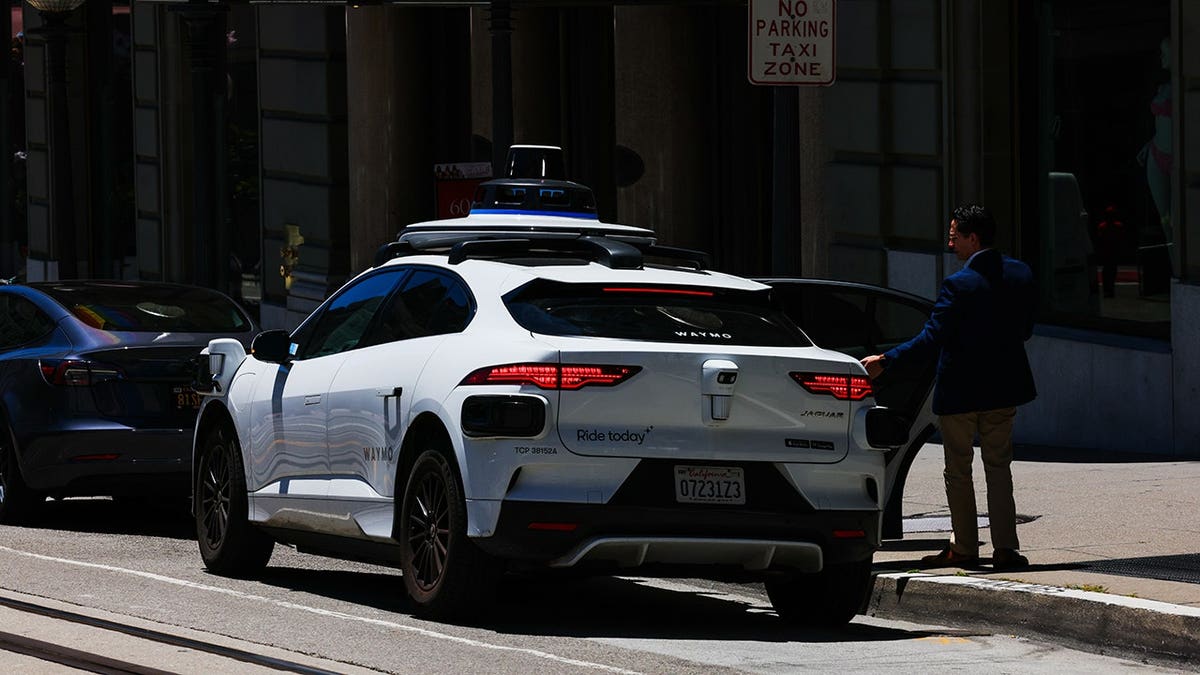
Federal regulators say affected Waymo vehicles may fail to recognize freeway construction zones, raising questions about autonomous driving in changing road conditions. (Photo by Yalonda M. James/San Francisco Chronicle via Getty Images)
Kurt's key takeaways
Waymo has impressive safety data, and I do not dismiss that. But this recall shows how quickly confidence can be shaken when a robotaxi meets a road situation that is messy and temporary. Construction zones are everywhere. They change overnight. They confuse humans, too, but that is exactly why driverless cars have to be ready for them before they are trusted on freeways. To me, the real test isn’t whether Waymo can drive well on a clear road. The real test is whether it can make the safest call when the road suddenly changes.
Would you still take a driverless car on the freeway after a recall like this, or would you stick to surface streets until the technology proves itself again? Let us know by writing to us at Cyberguy.com
Sign up for my FREE CyberGuy Report
- Get my best tech tips, urgent security alerts and exclusive deals delivered straight to your inbox.
- For simple, real-world ways to spot scams early and stay protected, visit CyberGuy.com - trusted by millions who watch CyberGuy on TV daily.
- Plus, you'll get instant access to my Ultimate Scam Survival Guide free when you join.
CLICK HERE TO DOWNLOAD THE FOX NEWS APP
Copyright 2026 CyberGuy.com. All rights reserved.
