


























Trump says dividend checks generated by tariffs coming in 2026
U.S. Trade Rep. Jamieson Greer joins 'The Sunday Briefing' to discuss the feasibility of President Donald Trump's dividend checks generated by international tariffs, affordability concerns and U.S.-China trade relations.
The Supreme Court is expected to issue a ruling Friday in a case that could reshape President Donald Trump's trade agenda.
At issue is the scope of presidential authority to impose tariffs under longstanding trade laws.
The cases stem from lawsuits filed by an educational toy manufacturer and a family-owned wine and spirits importer, with the court weighing whether the International Emergency Economic Powers Act (IEEPA) authorized the tariffs or whether the move exceeded constitutional limits.
SUPREME COURT EXPECTED TO RULE FRIDAY ON TRUMP'S POWER TO IMPOSE TARIFFS
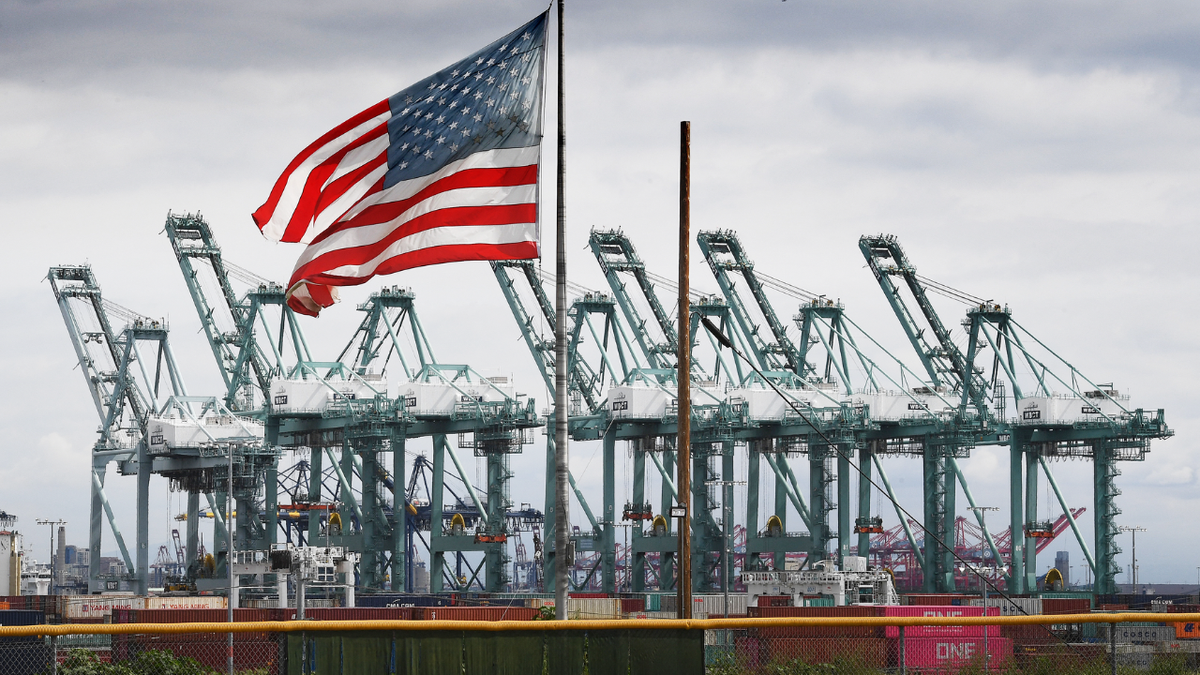
Billions of trade duties have flown into federal coffers on the heels of President Donald Trump's tariffs. (Mark Ralston/AFP/Getty Images)
The Trump administration has invoked the IEEPA to impose five separate tariff measures — including reciprocal tariffs, fentanyl-related tariffs, tariffs tied to Russian oil imports currently levied on Indian goods, Brazil-related tariffs, and trade agreements negotiated with foreign countries under the law — a sweeping use of emergency powers now under scrutiny by the court.
TRUMP SAYS US WOULD BE 'DESTROYED' WITHOUT TARIFF REVENUE
One of the most consequential of those measures came in April, when Trump announced his "Liberation Day" tariffs, a broad set of import taxes he said were designed to correct long-standing trade imbalances and reduce the U.S. reliance on foreign goods.
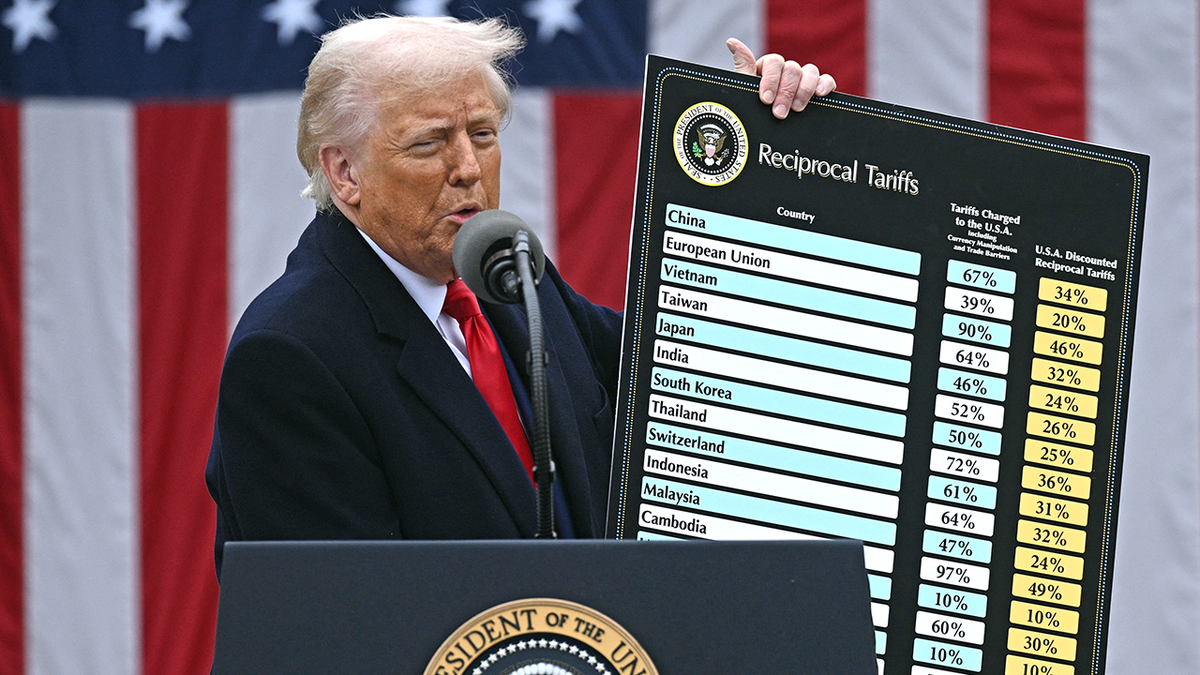
President Donald Trump unveiled sweeping new tariffs aimed at balancing trade relationships. (Brendan Smialowski/AFP/Getty Images)
The effect was immediate: duty collections jumped from $9.6 billion in March to $23.9 billion in May. Total duty revenue reached $215.2 billion in fiscal year 2025, which ended Sept. 30, according to the Treasury Department’s "Customs and Certain Excise Taxes" report.
That momentum has carried into the new fiscal year, with more than $98 billion pouring into federal coffers since Oct. 1, Treasury data shows.
The tariff windfall has emerged as a central pillar of Trump’s economic agenda, with the president arguing that tariffs can serve as a major source of government revenue to support domestic priorities.
On Nov. 9, Trump proposed using revenue from trade duties to provide a $2,000 dividend to low- and middle-income Americans by mid-2026.
TRUMP SAYS TARIFF-FUNDED DIVIDEND PAYMENTS FOR AMERICANS WILL BEGIN NEXT YEAR
Tariffs are taxes levied on imported goods. Although they are paid by companies at the border, the costs are often passed along through higher prices, leaving consumers to bear much of the burden.
He also said that any leftover funds could be used to pay down the nation’s debt, which stands just north of $38 trillion.
CLICK HERE TO DOWNLOAD THE FOX NEWS APP
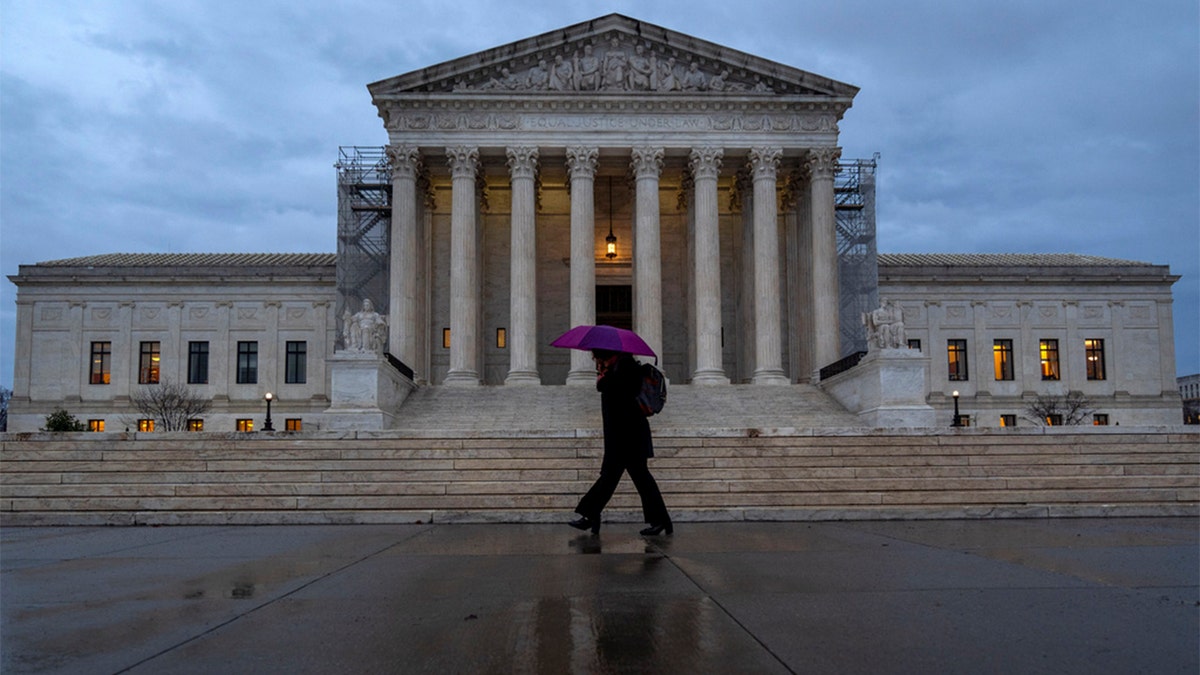
Both conservative and liberal justices expressed doubts about the legality of Trump's tariffs in November 2025. (Jacquelyn Martin/AP Images)
During oral arguments in November, both conservative and liberal justices expressed doubts about the legality of the Trump administration’s tariffs.
A ruling expected this week will decide whether the tariffs and the revenue they generate can remain in place.
The Trump administration has said it could turn to alternative legal authorities to preserve the tariffs if the court rules against it.
