















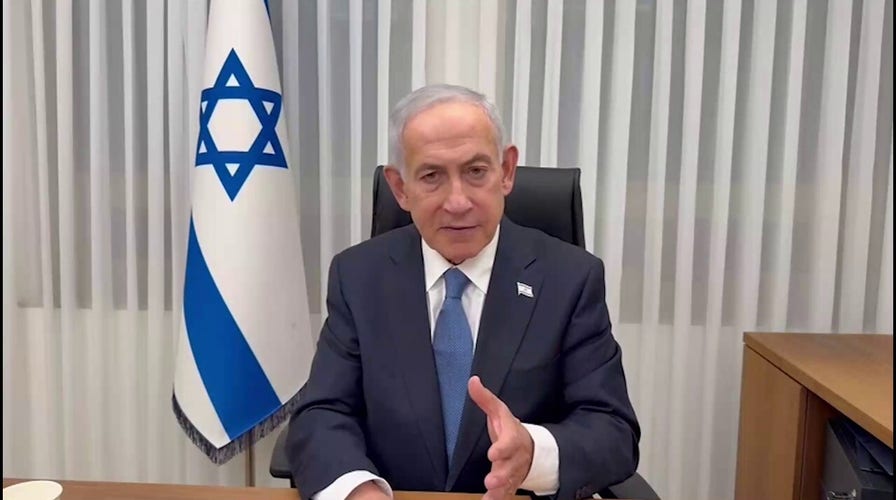
Netanyahu vows to reduce Iran nuclear program ‘to dust’ as Trump call signals possible deal
Netanyahu says strikes on Iran nuclear program to continue as Trump sees deal opening. (Israeli Prime Minister's Office)
President Donald Trump’s abrupt decision to delay a planned military strike on Iran just hours before it was reportedly set to begin marked the latest example of a pressure strategy that has left allies, adversaries and even the Pentagon preparing for every possible outcome at once.
After days of escalating threats against Tehran and repeated warnings that "the clock is ticking," Trump announced Monday that he was postponing the attack following appeals from Gulf Arab leaders who said negotiators were close to a deal aimed at preventing Iran from obtaining a nuclear weapon.
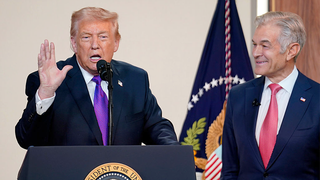
"We were getting ready to do a very major attack tomorrow," Trump told reporters at the White House. "I've put it off for a little while, hopefully, maybe forever, but possibly for a little while."
Trump said Saudi Arabia, Qatar and the United Arab Emirates asked the administration to hold off for "2 or 3 days" because they believed negotiations with Iran were nearing a breakthrough.
TRUMP WARNS IRAN CEASEFIRE ON ‘LIFE SUPPORT’ AS US WEIGHS MILITARY OPTIONS IF TALKS FAIL
The delay underscored mounting fears among Gulf allies that another direct U.S. strike could collapse an already fragile ceasefire and trigger wider instability across the region, particularly around the Strait of Hormuz, where commercial shipping disruptions and fears over global oil supplies have continued rattling energy markets.
The episode highlighted what has become an increasingly familiar feature of Trump’s approach toward Iran: publicly escalating military pressure while keeping allies and adversaries guessing about whether threats will ultimately be carried out. The ambiguity has forced Gulf allies, Israel, Iran and the Pentagon to prepare simultaneously for diplomacy and escalation, as the administration preserves flexibility while trying to maintain pressure on Tehran.
Despite the pause in large-scale fighting since the ceasefire took effect April 7, tensions surrounding the strategic waterway have remained elevated, with vessels attacked or seized near Iranian waters and Gulf states increasingly concerned that renewed fighting could threaten critical energy exports.
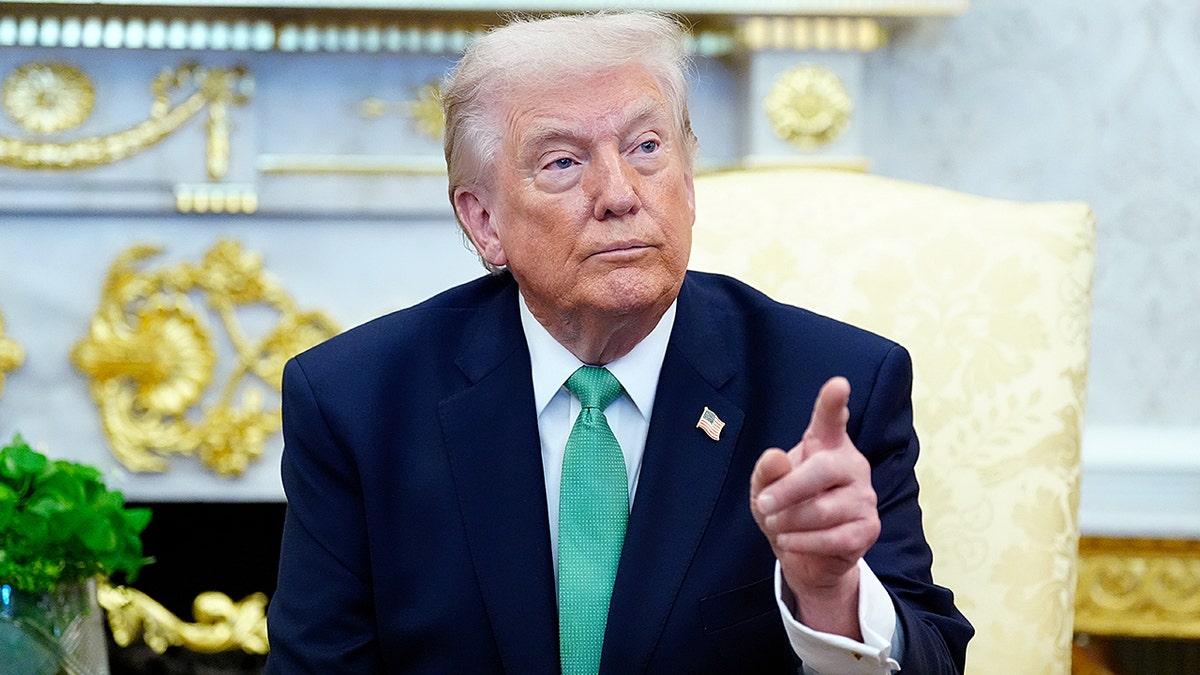
President Donald Trump paused planned U.S. strikes on Iran just hours before a self-imposed deadline. (Alex Brandon/The Associated Press)
Trump has continued publicly threatening overwhelming military force while repeatedly delaying potential strikes at the last minute, extending diplomatic windows even as U.S. forces reposition across the region.
While supporters have described the unpredictability as strategic leverage designed to pressure Tehran into concessions, critics argue the repeated delays risk weakening the administration’s deterrence posture if Iran concludes the United States is reluctant to restart a broader regional conflict.
To date, Iranian officials have shown little public willingness to accept the core U.S. demands surrounding uranium enrichment and nuclear restrictions despite mounting military pressure and repeated ceasefire extensions.
Iranian leaders have also continued publicly questioning Washington’s intentions, accusing the United States of using diplomacy to buy time for military repositioning after previous negotiation efforts collapsed.
The uncertainty has forced governments across the region to prepare simultaneously for escalation and diplomacy.
Israel has continued pressing its military campaign while signaling support for negotiations if they produce meaningful restrictions on Iran’s nuclear program.
IRAN’S REMAINING WEAPONS: HOW TEHRAN CAN STILL DISRUPT THE STRAIT OF HORMUZ
Trump said Monday he instructed War Secretary Pete Hegseth, Chairman of the Joint Chiefs Gen. Daniel Caine and U.S. military leadership to remain prepared to launch a "full, large scale assault" if negotiations fail.
Thousands of U.S. troops, carrier strike groups and other naval assets remain positioned across the Middle East as the Pentagon continues preparing for the possibility that diplomacy could collapse and military operations against Iran could resume with little warning.
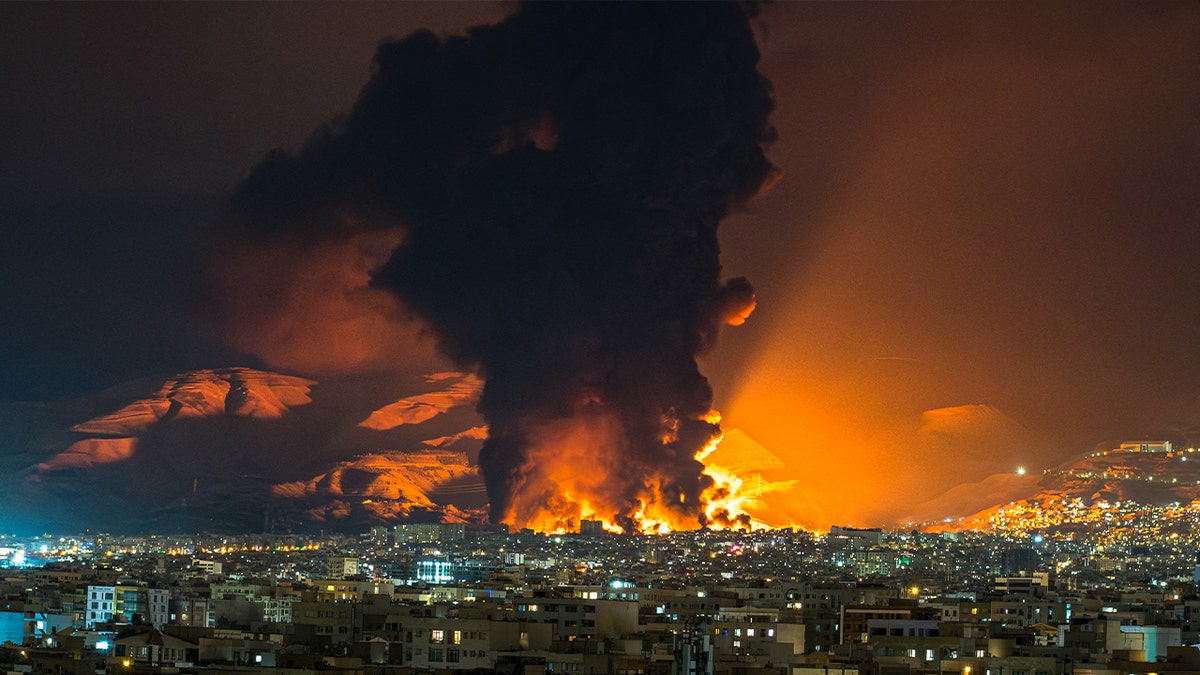
The abrupt reversal also reflected a familiar pattern in Trump’s foreign policy approach: escalating pressure publicly while preserving maximum flexibility privately. (Sasan / Middle East Images / AFP via Getty Images)
The continued buildup suggests the administration is maintaining — and in some cases increasing — military readiness even as diplomatic efforts continue through Gulf intermediaries.
The balancing act also carries growing political and economic risks at home.
Rising fuel prices tied to instability in the Strait of Hormuz have emerged as a mounting concern, while some Republicans privately worry a prolonged regional conflict could create political vulnerabilities heading into the 2026 midterm elections.
In a Truth Social post Monday, Trump said Qatari Emir Tamim bin Hamad Al Thani, Saudi Crown Prince Mohammed bin Salman and UAE President Mohamed bin Zayed urged him to delay the strike because "serious negotiations are now taking place."
Some analysts say the approach reflects an effort to preserve leverage by keeping both military and diplomatic options active simultaneously.
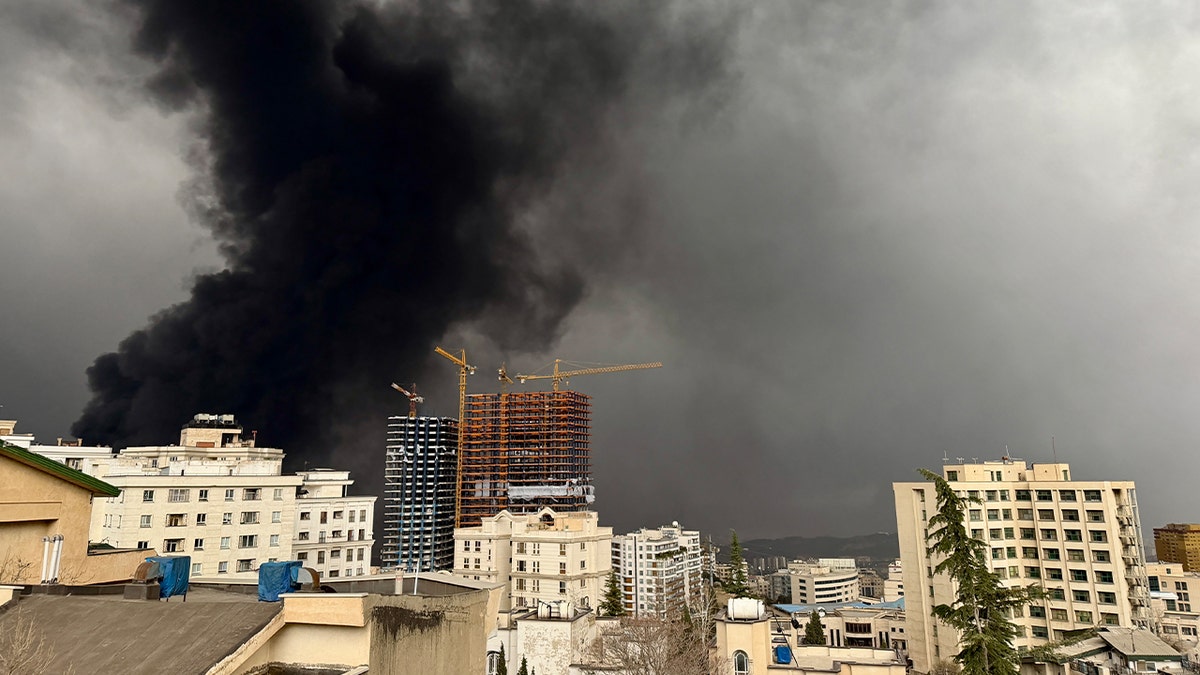
For now, the latest delay leaves the region once again suspended between diplomacy and escalation. ( Majid Saeedi/Getty Images)
"I think that there’s definitely a method to the president’s decision-making here," Jason Brodsky, policy director at United Against Nuclear Iran, told Fox News Digital.
"He is testing to see what concessions the Iranian regime would be prepared to make," Brodsky said. "The president can be testing diplomacy. The president can also be buying time. … All these things can be true at the same time. It’s not either-or."
Still, Brodsky expressed skepticism that the current moment will produce a breakthrough.
"I remain skeptical that we’re anywhere near a point where the Iranian regime will make significant concessions," he said.
For now, the latest delay leaves the region once again suspended between diplomacy and escalation.
CLICK HERE TO DOWNLOAD THE FOX NEWS APP
The administration has not publicly indicated how long the latest diplomatic window will remain open.
But even as negotiations continue, U.S. military assets remain positioned for potential escalation if talks collapse — leaving the region once again balancing uneasily between a temporary pause and the threat of a broader conflict.
