

























Coaches Love It Fans Hate It: Why A 24-Team Playoff Is A MISTAKE | Hot Mic w/ Hutton and Withrow
- BBN EXPLODES After Mark Pope Cuts Weird Video Despite Awful Portal Class in Lexington - Brad Crawford joins to discuss Coaches Voting in FAVOR of 24 Team CFP, Stefon Diggs found - Stefon Diggs found NOT GUILTY on all charges
When you ask any college football fan worth their salt which season was the craziest one they can remember, most of them will answer "2007" without hesitation.
And who could blame them? After all, it was a year that featured one of the most shocking upsets in college football history, with Appalachian State stunning Michigan in the Big House, and that was just the appetizer.
In all, 62 ranked teams lost to lower ranked or completely unranked squads in 2007, and teams ranked No. 2 in one of the three major polls lost seven times in the final nine weeks of the season.
But for a year that featured such unpredictable chaos, it sure ended predictably, with two powerhouses from the SEC and Big Ten battling it out for a national championship in New Orleans.
But what if I told you we almost had another, completely zany ending that would have represented the perfect bow on top of an already out-of-this-world season of college football, culminating in a first-time national champion being crowned?
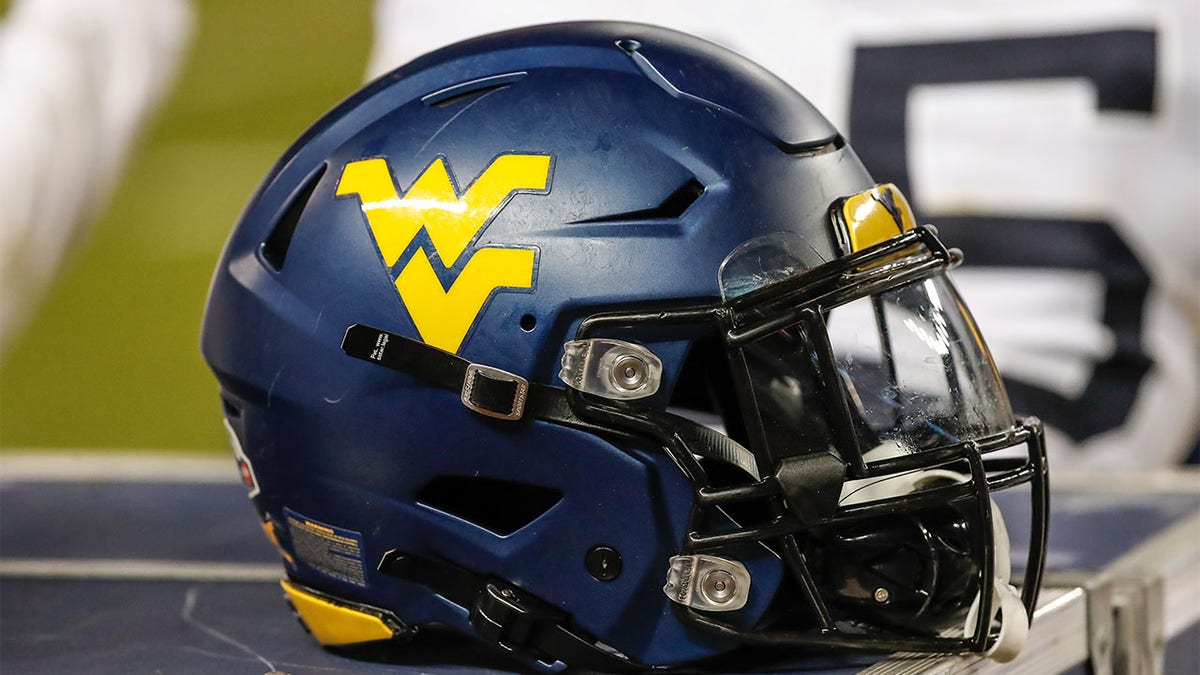
The West Virginia Mountaineers logo is displayed on a helmet during the Guaranteed Rate Bowl college football game against the Minnesota Golden Gophers at Chase Field in Phoenix, Ariz., on Dec. 28, 2021. (Kevin Abele/Icon Sportswire)
I'm speaking, of course, about the 2007 West Virginia Mountaineers football team.
Though the Mountaineers don't have a national championship banner to their name, they came shockingly close in '07 and will always be remembered as one of the biggest "what if" stories in the sport's history.
To understand just how good this West Virginia team was, we have to look at the program as a whole in the mid-to-late 2000s.
Head coach Rich Rodriguez spent his first few seasons in Morgantown implementing his culture and, perhaps more importantly, his spread-option offense.
By the end of his fourth season in 2004, the Mountaineers had captured a pair of Big East co-championships and were looking to be the team to fill the power vacuum left by Miami after they packed their bags and headed to the ACC prior to the start of the season.
Then 2005 happened, and it put everyone in both the Big East and the country on notice.
The Mountaineers went 11-1 that season and shocked SEC champion Georgia in the Sugar Bowl, doing so with a dazzling offensive display led by lightning bug dual-threat quarterback Pat White.
The following year, West Virginia won 11 games again, finishing in the top ten of the final AP Poll for the second season in a row.
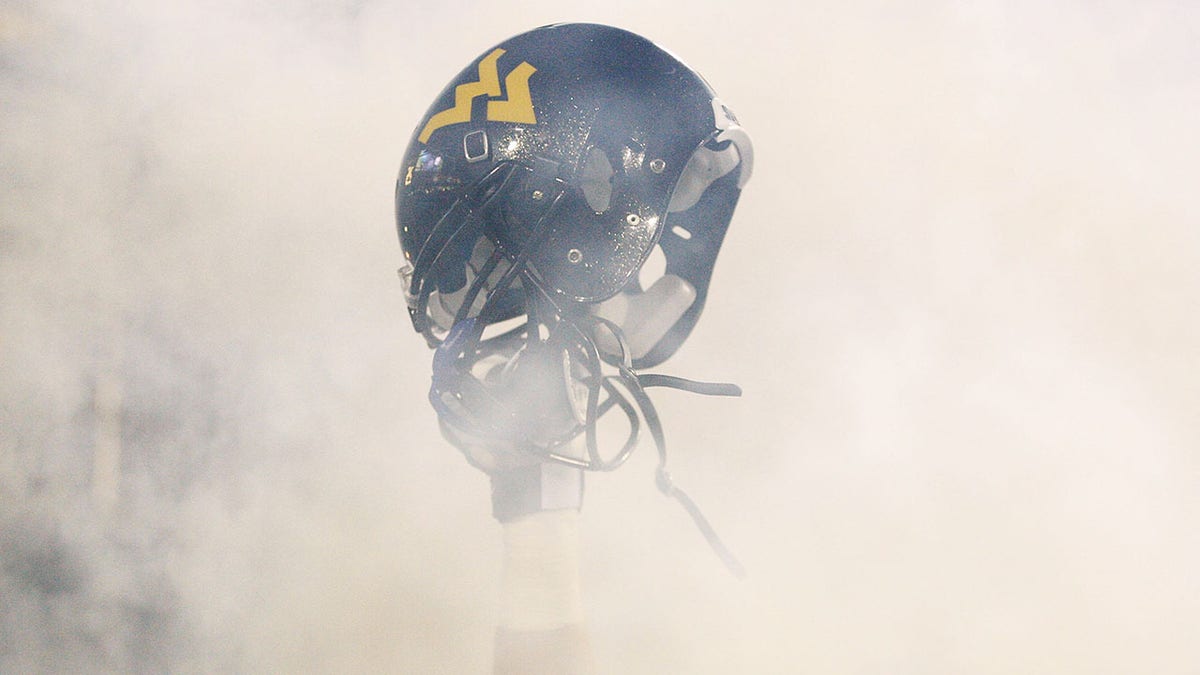
A West Virginia Mountaineers player holds up his helmet before the team takes the field against the University of Pittsburgh Panthers during the 2011 Backyard Brawl on Nov. 25, 2011, at Mountaineer Field in Morgantown, W.Va. (Jared Wickerham/Getty Images)
All of that is why, heading into 2007, the Mountaineers were considered serious threats to win a national championship, carrying a top-five ranking into the first game of the season.
ZERO BS. JUST DAKICH. TAKE THE DON'T @ ME PODCAST ON THE ROAD. DOWNLOAD NOW!
Even after an early road loss to a ranked South Florida (one of the teams who fell victim to the dreaded "curse of number two" after climbing to the penultimate spot in the BCS rankings halfway through the season), West Virginia had a legitimate shot to play for a title amid all the chaos around the country.
This team was a laser light show on offense, once again being orchestrated by Pat White, who was the perfect conductor in Rodriguez's spread system. Joining him in the backfield were sensational running backs Steve Slaton and Noel Devine, as well as bruising fullback Owen Schmitt.
Together, this four-headed monster gave the Mountaineers one of the most feared rushing units in the nation, and the offensive statistics back those claims up.
West Virginia was scoring nearly 40 points per game in 2007, good for ninth-best in the country, and was top five in yards per play as well as boasting the best yards per play average in America (6.2 yards per rush).
All told, when this offense was clicking, no one could stop them.
They were bludgeoning teams all throughout the year and showed no signs of slowing down as the end of the season was drawing near.
So, what happened?
Heading into the final week of the season, the Mountaineers were ranked second in the BCS polls (uh oh), and were even No. 1 in the USA Today Coaches Poll. All West Virginia had to do was dispatch their lowly rivals, the Pittsburgh Panthers, in The Backyard Brawl and they were guaranteed a spot in the title game.
Pitt was having an abhorrent season, sitting at 4-7 and playing for nothing but pride after being eliminated from bowl game consideration the week prior.
Vegas didn't think much of the matchup, either, as they made the Panthers a 28-point road underdog.
Easy money, right?
Well, remember what I said about "the curse of number two?"
The inexplicable voodoo of 2007 reared its ugly head once again on a cold, December night in Morgantown as the Mountaineers were held to just 183 yards of total offense, turning the ball over five times and even missing two chip-shot field goals in the process.
By the time the dust had settled, the now-infamous scoreline of 13-9 flashed on the JumboTron, and West Virginia had effectively played themselves out of title contention.
What makes this pill even harder to swallow for Mountaineer fans is that their team would go on to absolutely demolish a top-five Oklahoma Sooners squad in the Fiesta Bowl the following month, further fueling the "what if" storyline.
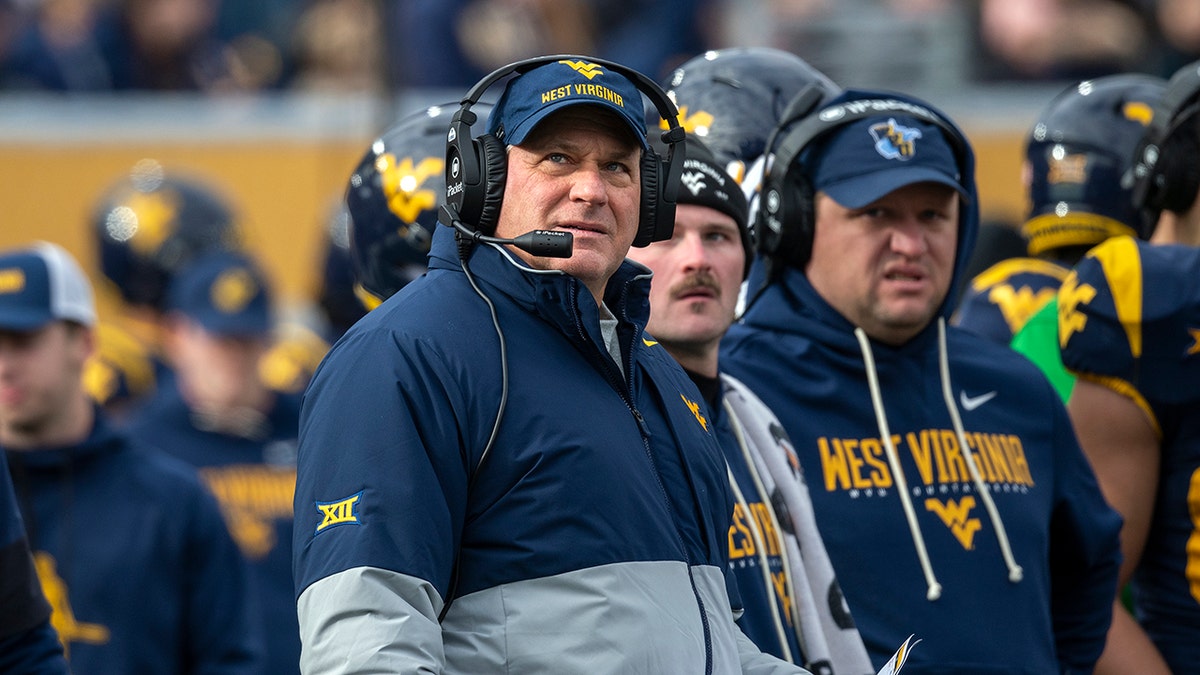
West Virginia football head coach Rich Rodriguez is in action during the second quarter of a game against Texas Tech at Milan Puskar Stadium in Morgantown, W. Va., on Nov. 29, 2025. (Brien Aho/Getty Images)
After the season, Rodriguez left what he had built in the Mountain State for the greener pastures of Ann Arbor.
CLICK HERE TO DOWNLOAD THE FOX NEWS APP
It didn't work out for the offensive innovator, though, as he was never able to replicate the success he found while coaching the Mountaineers.
As for West Virginia, they haven't gotten this close to a title since.
This story has somewhat of a happy ending, though, as both West Virginia and Rich Rodriguez may have realized they needed each other more than they were previously ready to admit, and were reunited in 2025.
The 2007 season will always be one of the wackiest in the long and storied history of college football, but for one fanbase, it represents an agonizingly close call with destiny.
The pre-playoff days of college football were brutal and unforgiving, and no one knows that better than fans of the West Virginia Mountaineers in 2007.
My hope is that they are remembered not as a footnote in the history of the sport, but as a potential budding dynasty that never was; cut down in its prime during one of the most exciting eras of college football.
It's stories like these that made the sport so special back then.
