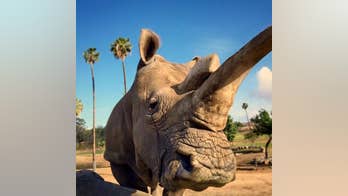
May 2, 2016 Goodbye, Nola: Only 3 Northern White Rhinos remain in the world One of the four northern white rhinoceros left on Earth died Nov. 22.
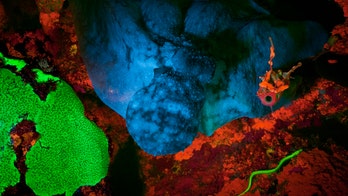
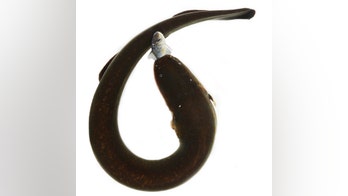
May 2, 2016 Shy eel glows bright green, possibly as a 'sexy charm' When scuba-diving scientists serendipitously spotted a glowing green eel in January 2011, they had no idea what caused it to light up like a brilliant neon sign
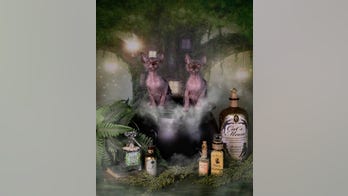
May 2, 2016 This adorable kitty looks like a werewolf: Here's why A cute and cuddly kitty cat with strange facial hair and unusual hunting habits is changing the way people think about a not-so-adorable mythological creature: the werewolf
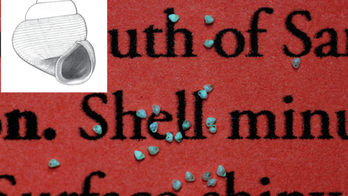
May 2, 2016 Micro mollusk breaks record for world's tiniest snail An itsy-bitsy mollusk in Borneo is the new record holder for the world's smallest known snail, a new study finds
May 2, 2016 Electric embrace: Eels curl up to supercharge shocks It's kind of like walking straight into an electric fence, or getting shot with a stun gun.
May 2, 2016 Everything's bigger in Texas: Ancient supersize shark fossils unearthed A mega shark that lived 300 million years ago would have made today's great whites look like shrimps, according to fossils of the beast unearthed in Jacksboro, Texas
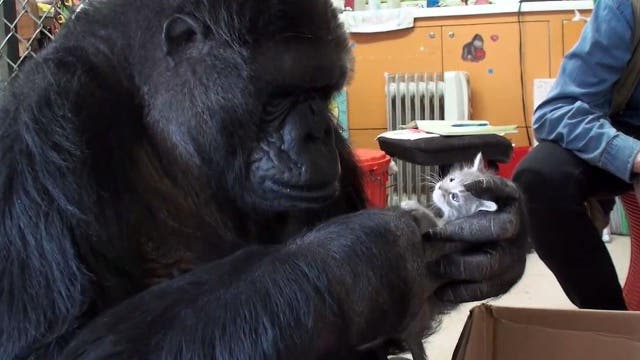
May 2, 2016 Watch this adorable video of a gorilla cuddling kittens It’s a video that could warm even the coldest of hearts - Koko the gorilla, famous for her knowledge of sign language, stroking and cuddling a pair of adorable kittens.
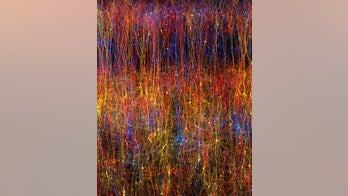
May 2, 2016 Rat brain reconstructed in a computer Scientists have digitally recreated a slice of a juvenile rat's brain — including 31,000 brain cells, of 207 different types, with 37 million connections
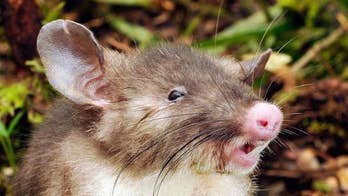
May 2, 2016 This pig-nosed rat with vampire teeth will haunt your dreams It has a nose like a cute little piglet's, ears that only a mother could love and teeth that would make Dracula run in fear: This odd-looking rodent captured researchers' attention when they discovered it back in 2013, but now they've described it as a new species
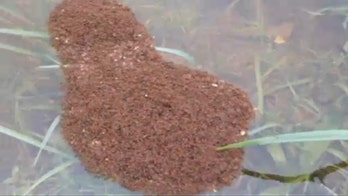
May 2, 2016 ‘Ant island’ floats on South Carolina floodwaters A FOX Carolina reporter witnessed an unusual sight while covering flood conditions in Greenville County, S.C. Sunday – an island of ants floating on the surface of the water.