Eating fruit in early life may decrease breast cancer risk; drinking more in midlife may increase risk Consuming certain fruits and vegetables during adolescence may result in a reduced risk of breast cancer in midlife, while increasing alcohol intake later in life may increase that risk, two separate studies released this week suggest.
AstraZeneca drug wins orphan status in thyroid cancer An experimental AstraZeneca drug that failed last year as a treatment for a rare cancer of the eye has been awarded special "orphan" status in the United States for a type of thyroid cancer.
Death after surgery three times more likely in lower-income countries How many people survive after emergency surgery is one measure of the quality of care they have access to, and post-surgery death rates in low- and middle-income countries suggest quality needs to be better, researchers say.
'Reimagine' program offers emotional support to cancer patients, families Caryn Antos was in Spain for her 2013 wedding celebrations when a nagging stomach pain got worse.
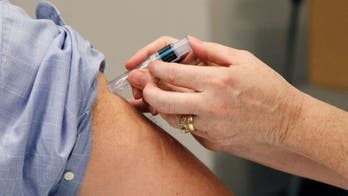
Mandatory flu shots tied to surge in health worker vaccinations Mandatory vaccination policies may encourage more healthcare workers to get annual flu shots and help prevent the spread of influenza to patients, a study in one Texas health system suggests.
New prostate cancer tests aim to reduce detection and treatment of harmless tumors When Al Piazza learned he had prostate cancer, his first thought was, “Let’s get this out and be done with it,” he says.
Traveling prom dress sisterhood honors friend lost to cancer "The Sisterhood of the Traveling Pants" now has a real-life version: The Sisterhood of the Traveling Prom Dress.
7-year-old who grew hair for cancer patients' wigs diagnosed with stage 4 cancer Vinny Desautels, of Rosevilel, Calif., spent two years growing his hair out to help make wigs for kids with cancer.
Independent group finds multiple myeloma drugs too costly in US U.S. prices for newer multiple myeloma treatments should be cut by as much as 94 percent to justify their value in terms of prolonging life, while there is not enough evidence to assess the health benefit of some, according to an independent nonprofit organization that evaluates the effectiveness of medicines.