Tony Gwynn's cancer: How smokeless tobacco can contribute to disease Baseball Hall of Famer Tony Gwynn died at the age of 54 on Monday, following a long battle with salivary gland cancer. On numerous occasions, Gwynn had attributed his cancer to having dipped tobacco throughout most of his career. But does the science back up that claim?
Various factors figure into Carter cancer treatment, doctors say Determining what treatment to pursue for former President Jimmy Carter's cancer will depend on its type, its origin and factors such as age and health, doctors said.
The MEAL study: Fighting prostate cancer with fruits and vegetables When Charles Trevino, now 65, was first diagnosed with early prostate cancer last year after a routine physical, he wasn’t thrilled by his options for treatment.
Dietary supplement may prevent and treat prostate cancer, study says Researchers at the University of Miami have found that an over-the-counter supplement is effective in both preventing and treating prostate cancer.
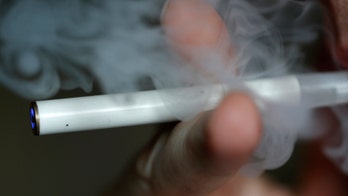
When it comes to e-cigs, Big Tobacco concerned for public health, report says The health warning on a MarkTen electronic cigarette package is 116 words long.
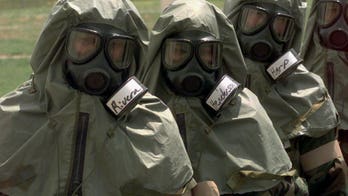
Ft. McClellan Health Act: The health hazards of PCBs Until it was shut down by the Environmental Protection Agency (EPA), Fort McClellan Army base in Anniston, Alabama, among its many functions, served as a site for the Army’s Chemical, Biological, Radiological and Nuclear Corps.
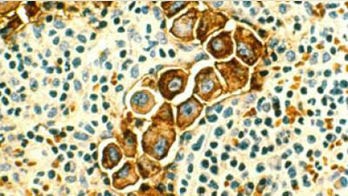
Researchers identify breast cancer biomarker that could predict outcomes New research has identified a protein as a potential biomarker for breast cancers with poor prognosis.
'One-two punch' on cancer could someday replace chemotherapy Researchers have discovered a way to give aggressive skin cancer what one calls "a powerful one-two punch."
US cancer survival rates improving, study finds The proportion of people surviving years after a cancer diagnosis is improving, according to a new analysis.
This gigapixel camera might help doctors detect skin cancer sooner When the news concerns melanoma—the most type of dangerous skin cancer, which kills over 9,000 people every year in the U.S.—it’s usually bleak.