


















We need a 'completely new approach' to mental illness: Dr. Daniel Amen
Fox News host Lara Trump opens the dialogue on mental health, trauma and how horrific events weigh on humanity on 'My View.'
In 2024, Surgeon General Vivek Murthy issued an advisory declaring loneliness a public health epidemic. He wasn't exaggerating. The data shows social isolation is as deadly as smoking 15 cigarettes a day and raises the risk of premature death by nearly 30%. Yet as a nation, we've done remarkably little to address it.
I've been a practicing psychiatrist for more than 50 years. This holiday season, my phone won't stop ringing. Patients are desperate for appointments — not because of clinical depression or anxiety disorders, but because they're profoundly alone. A recent AARP survey found 40% of adults 45 and older feel lonely, up five points from just a few years ago. The holidays only amplify the problem.
This isn't just a personal tragedy for millions of Americans — it's a policy crisis. Loneliness drives up healthcare costs, reduces workforce productivity and strains an already overburdened mental health system. When people lack social connection, they get sicker more often, recover more slowly and die younger. Medicare, Medicaid and private insurers are footing the bill for what is, at its core, a social problem masquerading as a medical one.
Washington loves to debate healthcare spending. Here's a conversation we're not having: The most cost-effective intervention for many patients isn't another medication or procedure — it's human connection. And that's something no government program can prescribe.
SCIENTISTS REVEAL THE ONE PRACTICE THAT COULD PREVENT DEMENTIA AS YOU AGE
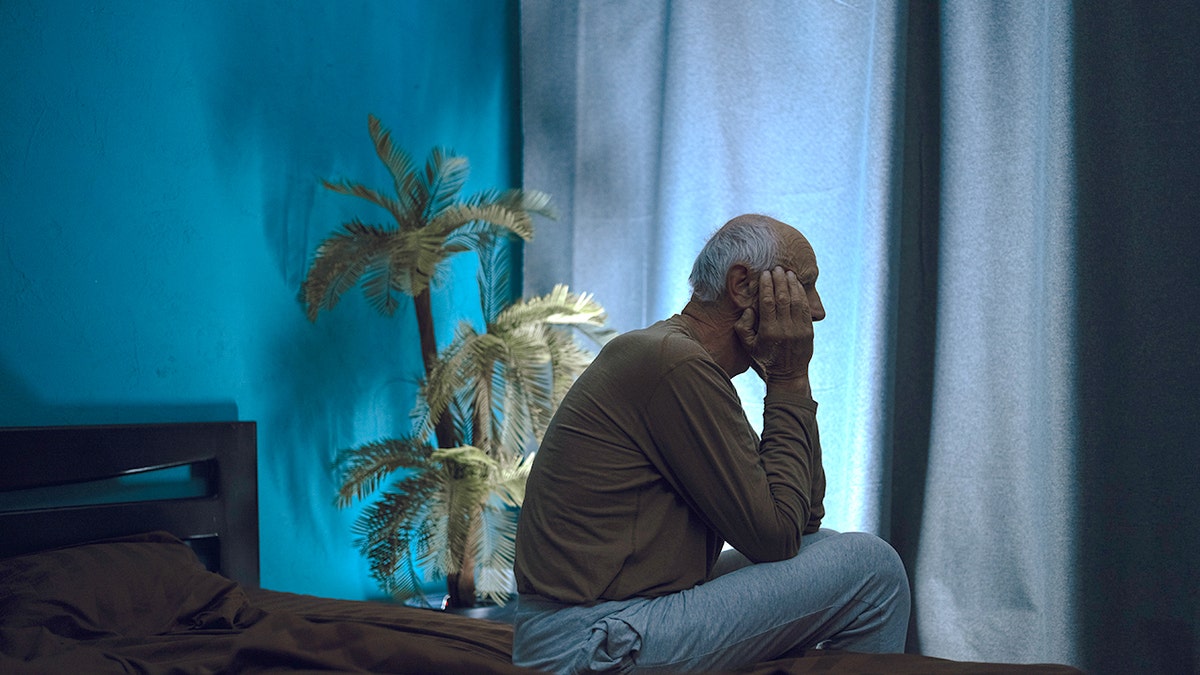
Loneliness is a particular problem during the holiday season. (iStock)
But individuals can. Here's what I tell my patients — and what I'd tell policymakers looking for upstream solutions to downstream healthcare costs:
Pick up the phone and actually call someone
Don't wait for them to reach out. Ask how they're doing. If it goes well, make plans. Commit to two calls a day. It sounds simple because it is.
Help someone who has it worse
Serve food at a shelter. Join a toy drive. You'll be surrounded by people working toward the same goal, and odds are you'll stick around afterward to share a meal together.

Show up to your faith community
Churches, synagogues, mosques — they've been bringing people together during the holidays for centuries. There's a reason it works. These institutions remain among the few spaces in American life designed specifically for communal gathering.
DIGITAL ISOLATION IS CRUSHING YOUNG MEN — FRATERNITIES HOLD A PROVEN SOLUTION
Practice gratitude deliberately
When you're lonely, you focus on what's missing. Fight back. Write down what you're grateful for. The research on gratitude's psychological benefits is robust — this isn't self-help fluff.
Get off the couch
I see it constantly — patients feel lonely, so they skip the gym. Wrong move. Exercise improves mood, and gyms, walking groups and fitness classes put you in proximity to other people pursuing the same goal.
CLICK HERE FOR MORE FOX NEWS OPINION

Stop saying no
You'd be stunned how many lonely patients admit they turned down holiday invitations. "I didn't feel like it." "I don't really know them." Enough. Say yes. You can always leave early — but only if you show up first.
CLICK HERE TO DOWNLOAD THE FOX NEWS APP
None of this requires legislation or appropriations. It requires individuals making different choices — and a cultural shift toward valuing in-person connection over digital substitutes. Our phones have made us more connected than ever and lonelier than ever. That's not a paradox; it's a warning.
The surgeon general was right to sound the alarm. But the cure for this epidemic won't come from Washington. It will come from living rooms, houses of worship, community centers and every small decision to show up for another person. Loneliness isn't a life sentence. It's a choice we can unmake — starting now.
