


















Ford to take a $19.5 billion dollar write-down on its EV business
Paul Gigot hosts a 'Journal Editorial Report' panel discussing the Global Electric Vehicle retreat, Ford's decision to cut back on EV production and Europe backtracking its decision to ban gas-powered cars by 2035.
In 2022, Democrats rammed through what they misleadingly called the Inflation Reduction Act. The name was deceptive then, and the results are undeniable now: it didn’t reduce inflation. What it did accomplish was shovel hundreds of billions of taxpayer dollars into "Green New Deal" subsidies — chief among them, electric vehicle (EV) tax credits that disproportionately benefited the wealthy.
At the time, I stood on the Senate floor and asked: Why should working Americans struggling with high prices be forced to subsidize luxury car purchases for the rich? Nearly every Senate Democrat voted to keep these handouts alive. Now, more than four years later, the data proves I was right.
The National Bureau of Economic Research found that seven out of 10 EV tax credit recipients would have bought an electric car anyway. In other words, taxpayers were footing the bill for decisions affluent households were already going to make. That’s not an incentive — that’s a windfall.
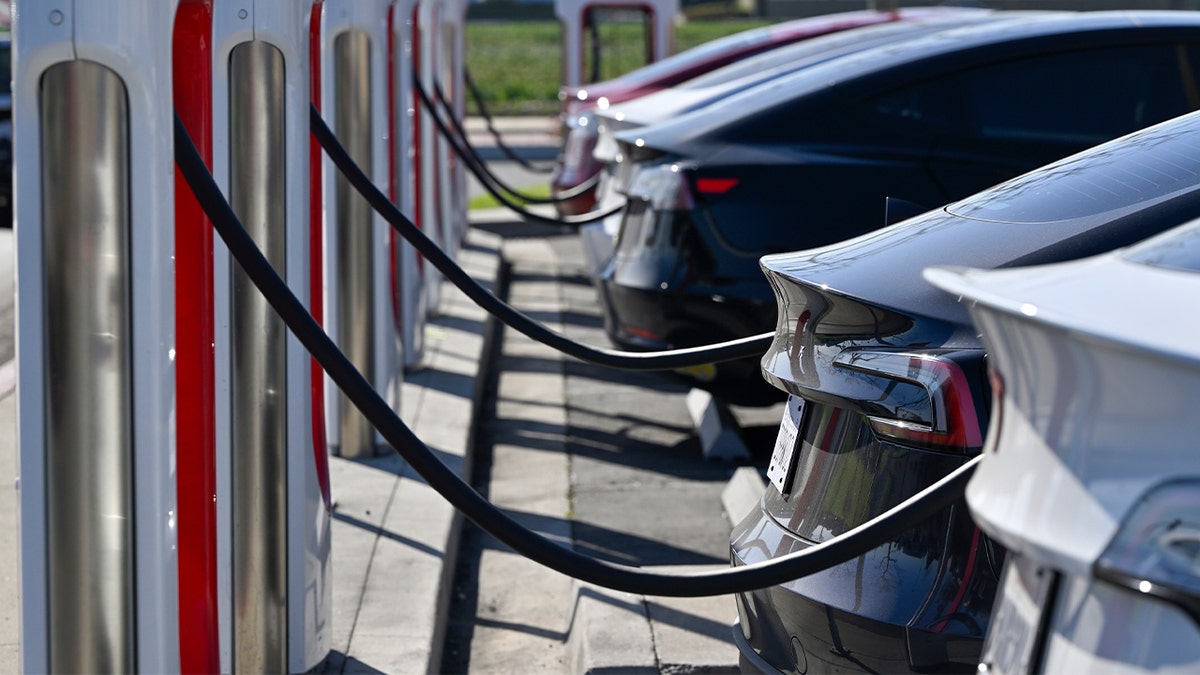
Drivers charge their Teslas in Fountain Valley, Calif., March 20, 2024. (Jeff Gritchen/MediaNews Group/Orange County Register via Getty Images)
AMERICANS ARE PUMPING THE BRAKES ON ELECTRIC VEHICLE ADOPTION: 'AFFORDABILITY IS A BIG ISSUE'
And who reaped that windfall? The wealthiest Americans. A study conducted by the National Bureau of Economic Research shows that before the so-called Inflation Reduction Act, the top 5% of earners claimed half of all EV tax credit benefits, while the bottom 60% of earners received less than 3%. Democrats claim they fixed this by adding income caps, but they set the ceiling at $300,000 for joint filers.
Since when is $300,000 considered middle class? In what world should taxpayers be buying $80,000 SUVs for families earning three times the median household income?
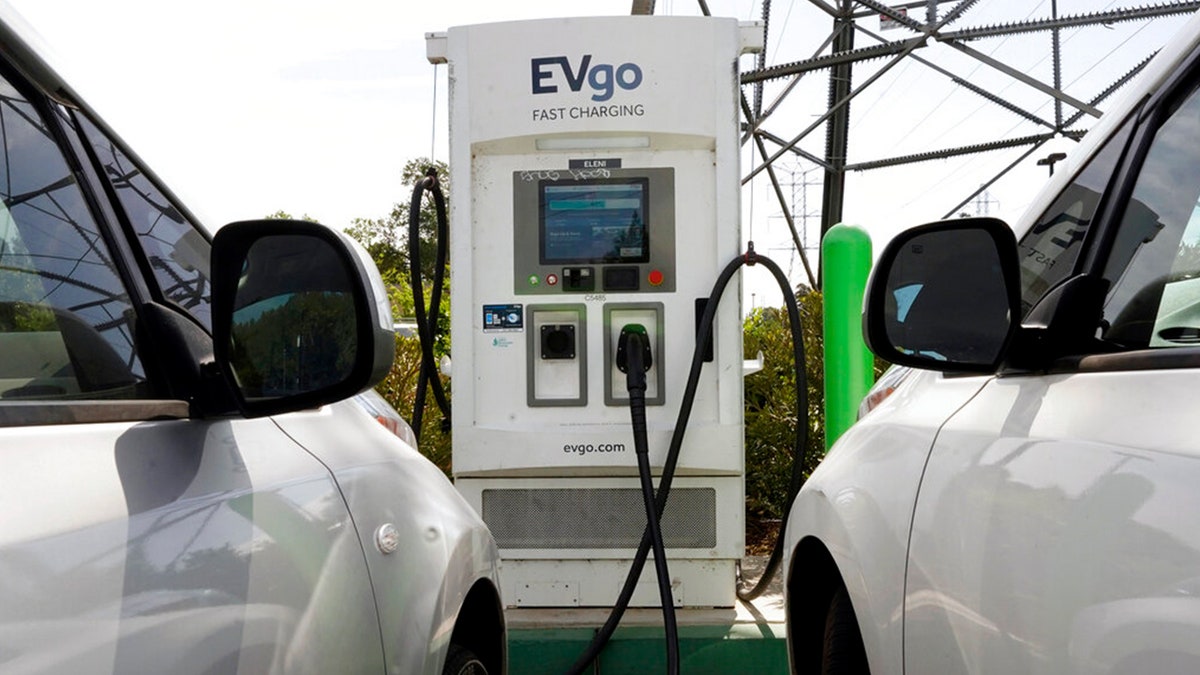
Electric cars are parked at a charging station in Sacramento, Calif., April 13, 2022. (AP Photo/Rich Pedroncelli, File)
The environmental case isn’t much stronger. Yes, EVs produce fewer emissions than gas-powered cars. But the Congressional Research Service highlights research showing that the credits mostly displaced sales of other efficient vehicles like hybrids. When you account for that substitution, the supposed climate benefits are overstated by nearly 40%. Simply put, these credits aren’t nearly as "green" as Democrats claim.
CLICK HERE FOR MORE FOX NEWS OPINION
Meanwhile, the price tag was massive. That’s why I’m pleased we repealed these wasteful tax credits in July’s reconciliation law. The Joint Committee on Taxation estimates that this will save taxpayers $190 billion over the next decade. Republicans are saving taxpayers from this costly policy that was never going to deliver on Democrats’ own goal of 50% EV sales by 2030.
"In what world should taxpayers be buying $80,000 SUVs for families earning three times the median household income?"
The verdict is clear: EV tax credits are inefficient, inequitable and irresponsible. They don’t meaningfully change consumer behavior, they don’t deliver the promised environmental gains and they drain taxpayer dollars into the pockets of the rich.
If Democrats were serious about helping working families — instead of virtue-signaling about climate change — they would back policies that deliver a real return on investment.

CLICK HERE TO DOWNLOAD THE FOX NEWS APP
A good place to start would be addressing the dwindling Highway Trust Fund (HTF), which is projected to run insolvent by 2028. While drivers of gasoline-powered cars pay into the HTF through the federal gas tax, EVs do not contribute at all despite their heavier batteries putting greater wear and tear on our roads and bridges. That means higher maintenance costs, and, once again, working Americans footing the bill.
That’s why I introduced the Fair SHARE Act, which would require EVs to contribute to this fund. I encourage my Democratic colleagues to cosponsor it and to work with me on including an EV fee in the upcoming Surface Transportation Reauthorization Act. That would be a fairer, smarter policy – one that actually serves working families instead of subsidizing the wealthy.
