


























Chevron eyes Iraq project to bypass Strait of Hormuz
Chevron CEO Mike Wirth warns that risks to global energy supplies are very real amid rising geopolitical conflicts. Speaking with Maria Bartiromo on 'Sunday Morning Futures,' Wirth discusses oil market volatility, gas prices, and the critical need for Congress to pass permitting reform. He emphasizes how US production acts as a stabilizing force for international markets.
Chevron CEO Mike Wirth warned of "very real" dangers for the global oil industry as tensions escalate in Iran and Houthi attacks on Saudi oil facilities fuel concerns over a potential new shipping crisis.
His comments come as oil prices climb following President Donald Trump’s pause on U.S. strikes against Iran and as Saudi Arabia reportedly builds an international coalition to protect vital shipping routes.
"We now see, not only the Strait of Hormuz, but the Red Sea and the Black Sea have risks and uncertainties. So, some of the challenges have expanded, and the risks to supply are very real," Wirth said during an appearance on "Sunday Morning Futures."
TRUMP WARNS IRAN FIGHTING ISN'T OVER AS HE VOWS US WILL 'WIN' AS TALKS FADE
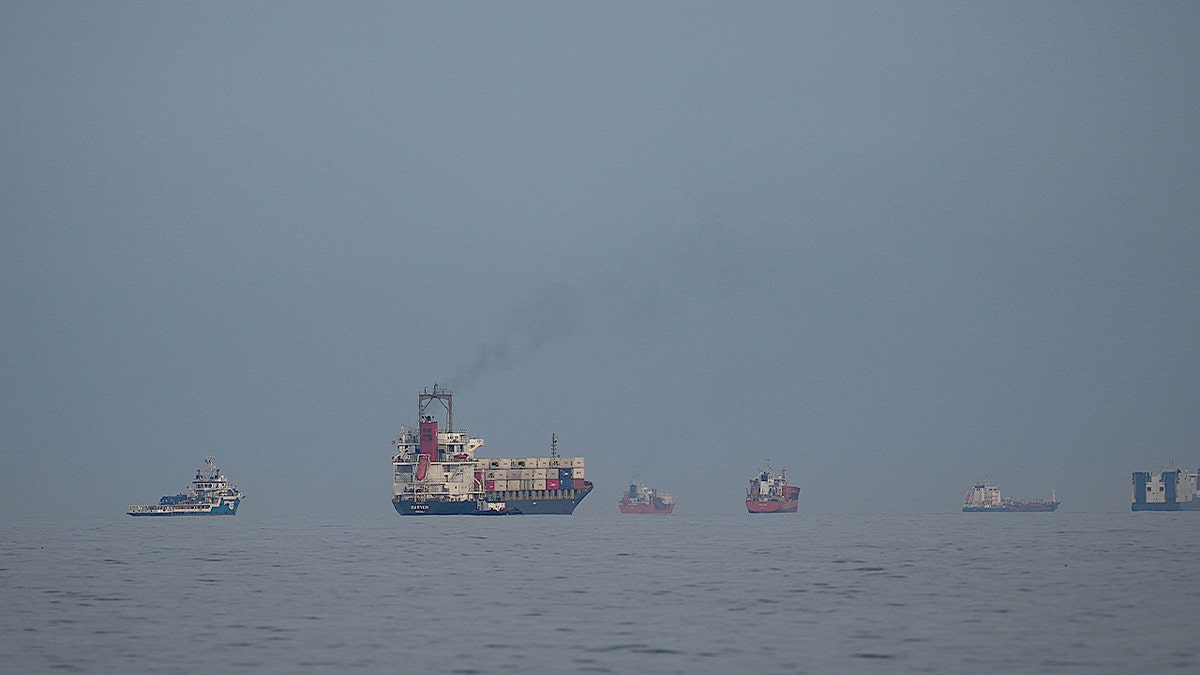
Oil tankers and cargo ships line up in the Strait of Hormuz as seen from Khor Fakkan, United Arab Emirates, Wednesday, March 11, 2026. (AP Photo/Altaf Qadri)
While oil demand remains strong around the world, Wirth said energy markets are "fragile and uncertain" as the U.S. conflict with Iran festers into a sixth month and as global inventories continue to decline.
"The world energy system has been stressed and the need for supplies to markets and customers has never been higher," the Chevron CEO said.
The Strait of Hormuz, one of the world’s most vital trade routes, is one of the most contentious aspects of the United States conflict with Iran. Traffic has sunk to only a handful of vessels passing through the waterway each day.
Recent Houthi attacks on another vital Middle East shipping route, the Red Sea, have raised fresh concerns about the reliability of that corridor.
STEVE FORBES URGES TRUMP TO KEEP THE STRAIT OF HORMUZ OPEN AT ALL COSTS
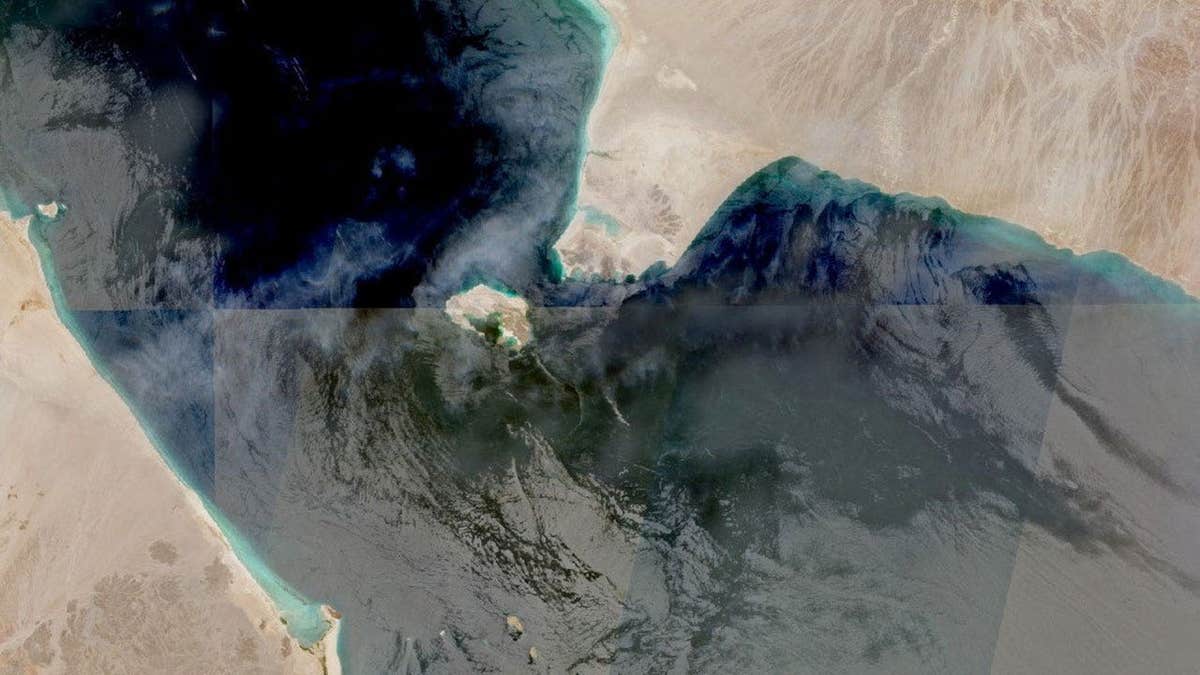
A satellite imagery shows Bab el Mandeb Strait, a key shipping waterway and the gateway to the Red Sea, as Iran threatens using Yemen's Houthi allies to shut the Bab el-Mandeb gateway to the Red Sea, in this handout picture dated July 12, 2026. (Nasa Worldview/Handout via Reuters)
"I think the unfortunate thing is that energy assets have been targeted in this conflict. And what that means is it degrades the capacity of the energy system to meet global demand," Wirth said. "And how quickly that comes back will be one of the things that determines when markets actually get back to some sort of a new equilibrium."
"We've seen supply constrained, we've seen damage to infrastructure. And we have new risks that I think will be priced into the market on shipping."
U.S. crude oil is trading at roughly $84 per barrel, while the national average price for a gallon of gasoline stands at $4.09 – nearly $1 higher than the $3.15 average one year ago, according to AAA.
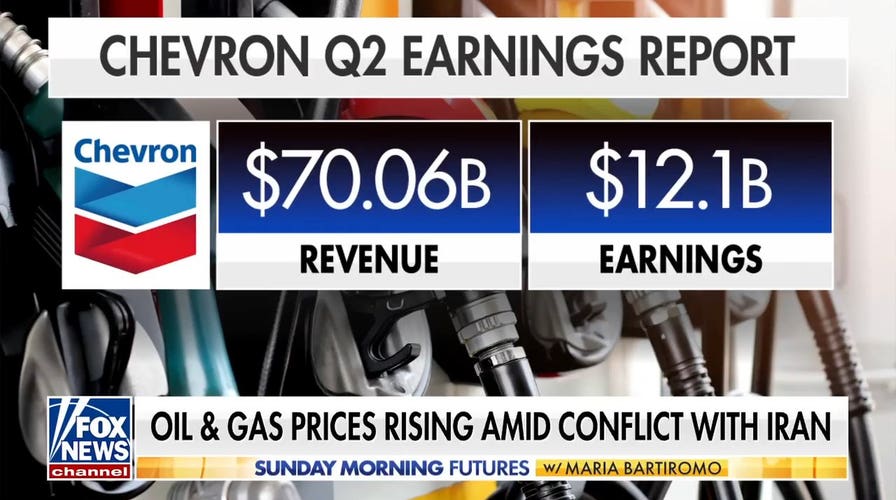
Despite the growing geopolitical uncertainty, Chevron’s production is up 20% year-on-year, with a 5% increase from Q1 to Q2 of 2026. The oil giant also set a record for producing more than 2 million barrels of oil equivalent in one day, an all-time high for the U.S., Wirth said.
TRUMP THREATENS 'MAJOR MILITARY PUNISHMENT' FOR IRAN OVER FUTURE HOUTHI ATTACKS
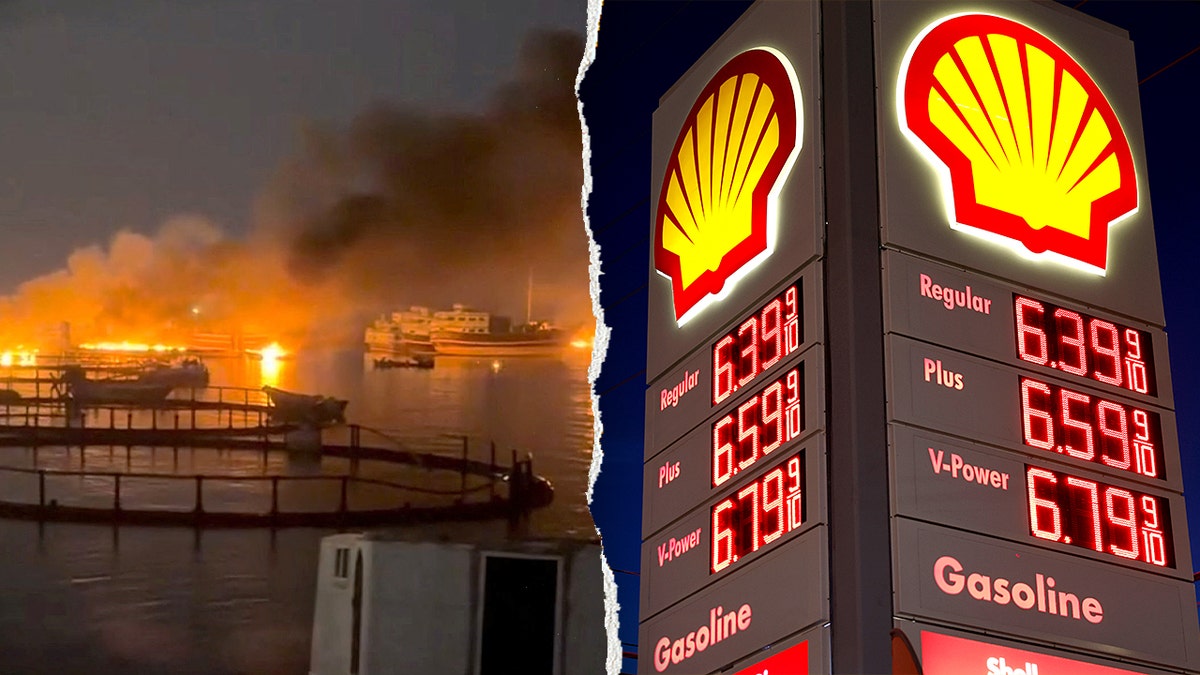
Gas prices continue to climb amid escalating tensions in the Middle East. (Mario Tama/Getty Images)
CLICK HERE TO DOWNLOAD THE FOX NEWS APP
Wirth, who said the U.S. has "stepped up" to solve the global oil crisis, told Fox News that Chevron is exploring ways to bypass oil shipping through the Middle East’s vulnerable and unpredictable shipping waterways.
"We are in discussions with Iraq about potentially entering one or two oil fields there," the Chevron CEO said. "Part of those discussions would include a framework that would allow the construction of a pipeline that would go North and then move to the Mediterranean Sea and create a pathway for that production to get to market that would not have to go through the route today, which is through the Strait of Hormuz. "
