March 20, 2018 Are these foods doomed to disappear? Can you imagine a world in which your favorite foods didn’t exist?
March 20, 2018 7 facts you didn't know about coffee production If you haven't been keeping up with NPR's Coffee Week lineup of stories, you're missing out on a whole bunch of new insight into the cup of coffee you drink every day. NPR's Coffee Week coverage is dripping with news and facts about the culture of coffee, from the journey of coffee production from fruit to cup to the threats facing coffee plant genes, and more. It's not often that we think exactly about how our coffee ends up in our cup, and it's a long, lengthy journey. As writer Dan Charles explains, the coffee exports from the "coffee belt" of the world help prop up many of the tropical countries, where exports of green coffee beans add up to $15 billion per year. And considering that one Arabica coffee tree produces only 1 to 1.5 pounds per year, it takes a lot of care to keep up with the demands of coffee drinkers (in Nordic countries, it can reach up to eight cups of coffee per day). And the complexities of the coffee bean — and the leaf rust that's threatening to wipe out coffee farms worldwide — make coffee as interesting of a crop as any other. And more importantly, as writer Allison Aubrey notes, is how third-wave coffee production is not just giving drinkers a better-tasting cup of coffee; it's allowing farmers to reinvest in their farms and provide better working conditions for those producing the coffee. From sorting and drying the beans to just getting the beans to a port to be shipped to the U.S. and other countries, the process of coffee is labor-intensive. Aubrey puts it best: "So, next time you sip on a latte, remember: It's not just the face of the barista behind those coffee beans." We asked Charles and Aubrey to share with The Daily Meal the most surprising facts they discovered about coffee production; you can click ahead to find out more eye-opening tidbits about your coffee. Let's just say, you'll appreciate your morning caffeine jolt that much more.
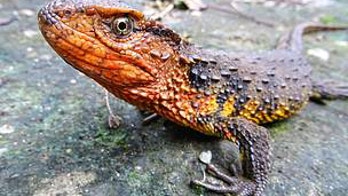
December 21, 2017 Scientists discover over 100 new species, including crocodile lizard, snail-eating turtle Scientists have discovered 115 new species in the Greater Mekong region of Southeast Asia including a crocodile lizard and a snail-eating turtle that was spotted in a Thai food market.
September 26, 2017 Blossoming bisexual: World's 1st flower had male and female parts When the world's first flower sprouted about 140 million years ago, it was bisexual, possessing both male and female reproductive parts, according to the researchers who virtually reconstructed the blossom in a new study.
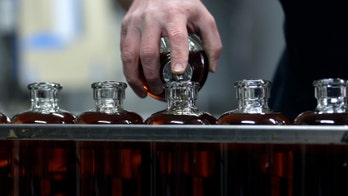
November 21, 2016 'Farm to table' movement embracing booze The process is sometimes referred to as "grain to glass" — the beer-and-whiskey version of the foodie slogan "farm to table."
November 21, 2016 Port wine, a classy Father's Day drink Port wine is often skipped over when browsing the wine store shelves, but perhaps it is worth a closer look.
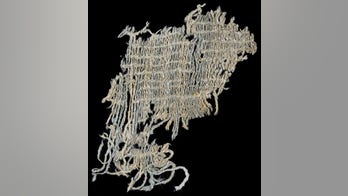
September 16, 2016 Like blue jeans, this ancient fabric was dyed with indigo An ancient textile fragment discovered in Peru represents the oldest piece of indigo-dyed fabric in existence.
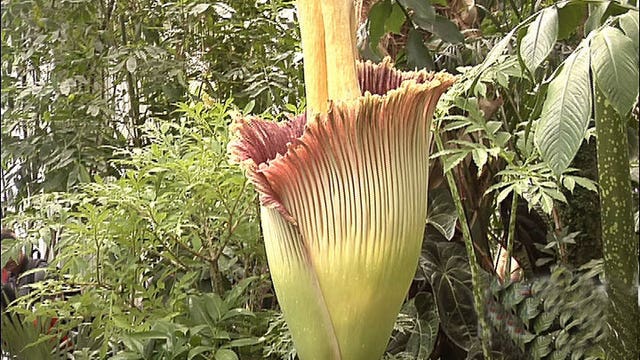
July 29, 2016 New York enjoys rare phenomenon of a corpse flower in bloom Plant lovers in New York are enjoying a smelly treat with the rare bloom of a corpse flower at the New York Botanical Garden.
July 27, 2016 New York set for rare phenomenon: A corpse flower in bloom Plant lovers in New York are in for a smelly treat with the imminent bloom of a rare corpse flower at the city's Botanical Garden.
May 4, 2016 These Caribbean plants were named after James Bond Scientists have christened a subgenus of plants with a killer name: Jamesbondia.