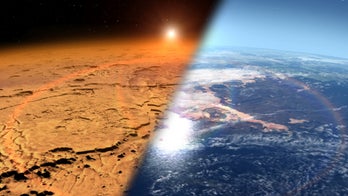
October 3, 2017 Ancient Mars may have thawed through methane bursts Ancient Mars may have been warmed by bursts of methane trapped under its surface, a new study finds — which could help explain past episodes of warmer, wetter climate on the otherwise freezing Red Planet.
October 3, 2017 Water ice mystery found at Martian equator A new examination of old data suggests that there might be ice hiding in the Martian equator, even though scientists previously thought that the substance couldn't exist there.
October 2, 2017 NASA asteroid probe snaps farewell photo of Earth and Moon NASA's OSIRIS-REx spacecraft now has some nice photos of home to look at during its long flight to a distant asteroid.
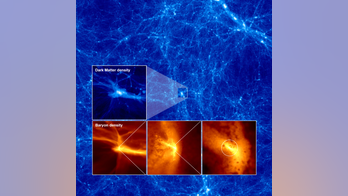
October 2, 2017 How monster black holes grew from the Big Bang's leftovers New computer simulations reveal how supersonic gas streams left over from the Big Bang could fuel some of the largest and oldest black holes in the universe.
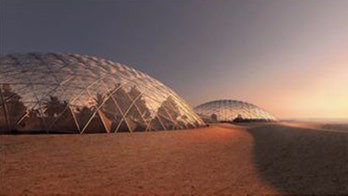
October 2, 2017 Dubai's 'space simulation city' aims to pave the way for life on Mars Dubai in the UAE is planning to build a huge "space simulation city" in the desert so scientists can develop life-supporting systems on Mars. Last year the UAE said it wanted to build a city on the red planet within 100 years.
September 29, 2017 Lockheed Martin unveils sleek, reusable lander for crewed Mars missions A commercial effort to get humans into orbit around Mars in the late 2020s now includes a sleek vehicle to send astronauts down to the surface of the Red Planet.
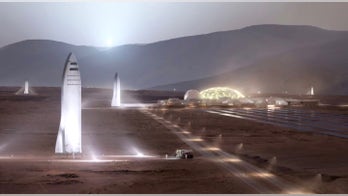
September 29, 2017 Elon Musk wants Giant SpaceX spaceship to fly people to Mars by 2024 SpaceX aims to launch its first cargo mission to Mars in 2022 and send people toward the Red Planet just two years after that.
September 29, 2017 Oldest evidence of life found in 3.95-billion-year-old rocks The oldest evidence of life on Earth ever discovered may lie within rocks that are 3.95 billion years old, a new study finds.
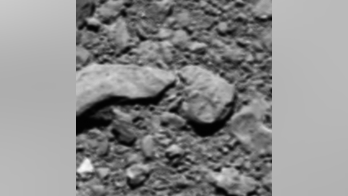
September 28, 2017 Spacecraft's final moment: Scientists release last image from Rosetta probe before comet crash Scientists at the European Space Agency received surprising data from the Rosetta spacecraft just before it crash-landed into a comet last year, enabling them to piece together a final image of the comet’s surface.