10 things your doctor wants you to know Between the time devoted to insurance paperwork and large patient panels to keep up with financial pressures, most doctors have just 15 minutes to spend with each patient.
Pittsburgh man prepares for world's largest rowing competition after cardiac arrest Nearly 95 percent of people who undergo cardiac arrest die, and most people never knew they had heart disease to begin with.
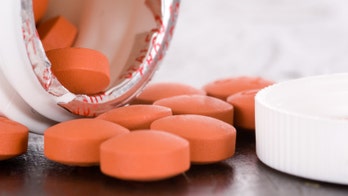
Anti-inflammatory pills tied to heart failure risk Widely used non-steroidal anti-inflammatory drugs (NSAIDs) are associated with an increased risk of heart failure— even in people without a history of cardiac issues, a recent study suggests.
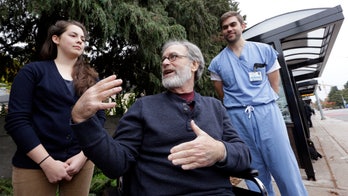
App helps save Seattle cardiac patient If your heart is going to stop, right outside a hospital is not a bad place for it.
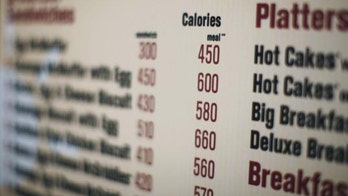
Cutting calories may dial back 'metabolic syndrome' in older adults For overweight and obese older men and women, adding calorie restriction to a resistance training schedule improves at least some metabolic markers, according to a new study.
As their sons waited for new hearts, two mothers formed a rare bond Every 10 minutes, someone is added to the national transplant waiting list in the U.S. During a heart-wrenching hospital journey, two pediatric patients and their moms lean on each other for extra support
Erectile dysfunction may improve with exercise Men who have difficulty maintaining erections may benefit from exercise or physical activity, according to a new analysis.
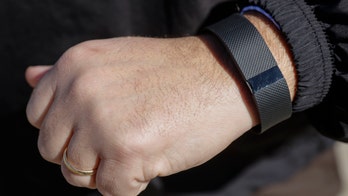
Popular wrist-worn fitness trackers vary in heart rate readings Commercial fitness trackers worn on the wrist are less accurate than a chest strap monitor at measuring heart rate, and may over- or underestimate heart rate depending on activity level, researchers say.
Cash works, but activity trackers may do little to boost exercise Health might be its own reward, but even cash incentives only work in the short term to motivate people to exercise more and activity trackers add little benefit, according to a study from Singapore.
Many people don't know own blood pressure or cholesterol levels People who go online to check their risk for cardiovascular disease often don't know two key numbers for assessing heart health: blood pressure and cholesterol levels, a U.K. study suggests.