Mom says childbirth sparked 3-week-long orgasmic sensation A midwife in the U.K. claims that natal hypnobirthing helped her experience pain-free labor and an orgasmic sensation for up to three weeks after the birth of each of her four children.
Chinese medicine technique may offer some relief in perimenopause A Chinese medicine technique using a smooth-edged instrument to scrape or rub certain areas of the body may relieve troublesome symptoms women experience in the years leading up to menopause, according to a new study.
More US middle school students dying of suicide than car crashes The suicide rate among U.S. middle school students doubled from 2007 to 2014, surpassing for the first time the incidence of youngsters aged 10 to 14 who died in car crashes, a federal report released on Thursday said.
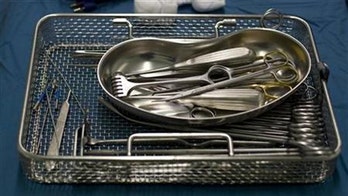
Trauma burden and services not equally distributed across US The more surgical trauma centers there are in an area, the lower death rates tend to be, according to a study that finds the density of trauma centers varies widely by state.
Stronger muscles may mean sharper minds for kids Making sure kids have good muscle fitness might also benefit their school performance, according to a recent U.S. study.
Weight loss surgery may reduce risk of developing gout Obese people who have weight loss surgeries like gastric bypass are much less likely than those who don't have surgery to develop gout, a painful type of arthritis, according to a Swedish study.
The effects of Zika on babies' brains go beyond microcephaly, report finds A new report highlights the range of damage Zika infection can cause a developing fetus.
How doctors could one day use your DNA to cure you Precision medicine-—and two terabytes of genomic data—saved one man's life.
Tests confirm Utah teens overdosed on new synthetic drug Toxicology tests confirm two 13-year-old boys in the Utah ski-resort town of Park City overdosed on a new synthetic drug that is available online and was also found at the estate of entertainer Prince after he died, police said Thursday.
Smoking leaves chemical traces on DNA Tobacco smoke leaves its mark on DNA by changing a chemical code on the DNA molecule that can sometimes change gene activity, according to a new study.