OVER THE 'HILL' Fellow Dem slams Hillary Clinton for remarks about anti-Israel campus agitators LIVE UPDATES: School administrators hit stalemate with anti-Israel encampment
KEY TO VICTORY OPINION NEWT GINGRICH: The secret to Republicans winning in 2024 is hiding in plain sight
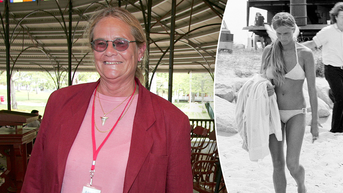
'MEAN GIRL' TO MOM Troubled child star found her ‘greatest joy’ after ditching Hollywood — and the US
FOX NEWS PODCASTS LISTEN NOW: Dana Perino takes a look at the surprises that could impact the 2024 Presidential election
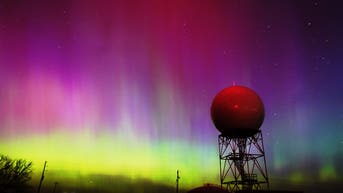
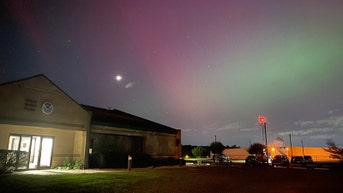
LIFESTYLE FLARE FEARS Lifestyle Biggest solar storm in decades not over yet, could cripple internet, phones & power grids
FOOD ON THE FLIP SIDE Food & Drink Delicate and delicious raspberry cream buttermilk crepes for Mother's Day
Media West Coast exodus drives surprising political effect in red state, and it's not a liberal shift
SPORTS SOCCER BRAWL Sports Fight breaks out between teams after tensions from previous match boiled over
FAITH Faith & Values Most popular Catholic outside Vatican doesn’t hold any special position in church’s hierarchy
LIFESTYLE CHEW ON THIS Lifestyle Meet the American who outwitted science and invented bubble gum in his kitchen
LIFESTYLE HOT RIFF Lifestyle On this day in 1965, Rolling Stones record 'Satisfaction' after a Keith Richards dream
South Side Chicago pastor says 'faith in government is very low' after seeing city resources go to migrants
Philadelphia to temporarily shut down Kensington Avenue to clear homeless encampment in open-air drug market
Longtime Dem senator rails against big companies' 'greedflation,' but donor records show another story
Nurses call for change as many reveal they're ‘extremely likely’ to leave profession: ‘Emotional, stressful'
White House should be 'concerned' as Trump rallies as many as 100k in deep-blue New Jersey: 'Extraordinary'
Dr. Saphier shares tips for falling asleep as Americans admit lack of sleep interferes with 'day-to-day' life
Trump says Biden 'surrounded by fascists' at New Jersey rally campaign trail return amid hush money trial
Pelosi rebuked to her face during Oxford debate after condemning Americans clouded by 'guns, gays, God'
Ex-Albanian president warns Biden that Russia seeks to 'undermine European values and foundations' in region
Motherhood does not fit so well in a culture that values self-care over service. And that's a problem
Experimental cancer treatment gives New Jersey mom a chance for a second baby: ‘I decided to go for it’
Sofia Vergara balks at 'old-fashioned' hair: Five Hollywood actresses bucking short haircuts of middle age
Surgeon who fled communist China, changed lives of blind orphans is the subject of inspiring new film
Miami Grand Prix winner seen spraying bubbles after Formula 1 race: Here's where the tradition started
Massive Trump beach rally in deep-blue NJ draws stark contrast to Biden's beach weekend: 'Biden could never'
On this day in history, May 12, 1965, Rolling Stones record 'Satisfaction' after Keith Richards dreamed a riff
Miami Grand Prix winner seen spraying bubbles after Formula 1 race: Here's where the tradition started



















































![Pelosi – a self-described “devout Catholic" – also appeared to suggest during the April 25 debate that certain Americans, who she considered to be “poor souls who are looking for some answers,” refuse to accept the answers Democrats give them on particular topics due to their beliefs about “guns, gays, [and] God.”](http://a57.foxnews.com/static.foxnews.com/foxnews.com/content/uploads/2024/05/120/68/Nancy-Pelosi.jpg?tl=1&ve=1)










![Angel Studios' "Sight" will be out in theaters in the U.S. on Memorial Day weekend. [Courtesy: Angel Studios]](http://a57.foxnews.com/static.foxnews.com/foxnews.com/content/uploads/2024/05/120/68/SIGHT-Keyart-DIGITAL-16x9-1-scaled.jpg?tl=1&ve=1)