






























Man stunned as giant wild elephants emerge from the trees and close in: Watch his moving reaction
A tourist was moved to tears when his lifelong dream of seeing wild elephants finally came true in Thailand. Guided by a tour leader, he and his partner encountered a roaming elephant family just ahead—an emotional moment that left him overwhelmed.
Elephants are widely adored by many people today — but a recent study suggests early humans were butchering them for survival nearly 2 million years ago.
A group of international researchers found what they describe as "the earliest direct evidence of proboscidean butchery," including a newly identified elephant butchery site, according to an article published in the spring in the journal eLife.
Modern elephants are the only living proboscideans today — a group that once included woolly mammoths and mastodons. The animal bones belonged to Elephas recki, an extinct elephant species.
ANCIENT HUMANS WERE HUNTING AND EATING SHARKS 7,000 YEARS AGO, BURIAL SITE DISCOVERY SHOWS
The research centers on Olduvai Gorge, a site in northern Tanzania's Serengeti Plains known for major discoveries of early human fossils and tools.
At the site, excavators found stone tools alongside bones of ancient elephants — and the recent paper, written by archaeologists and paleoanthropologists, suggests the remains were likely deliberately butchered by early human ancestors.
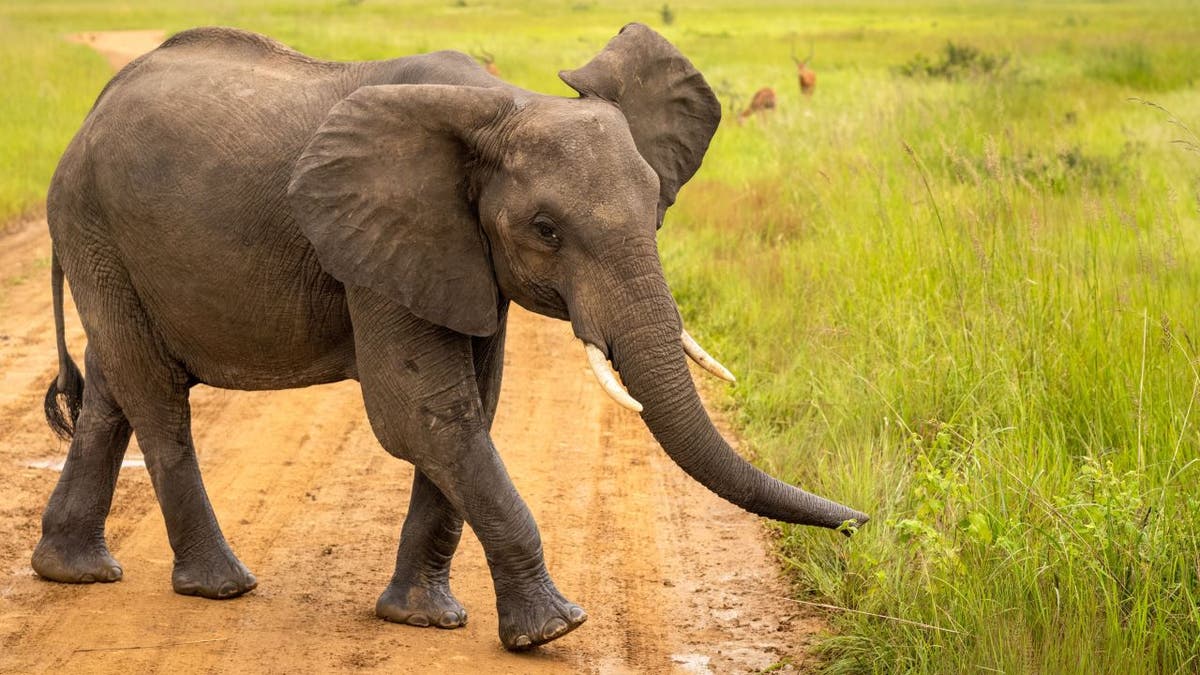
The remains of ancient elephants that were found in Tanzania (not pictured) point to systematic processing by early human ancestors. (Universal Images Group via Getty Images)
The bones date back some 1.8 million years, during the early Pleistocene epoch.
CLICK HERE TO SIGN UP FOR OUR LIFESTYLE NEWSLETTER
Though researchers have observed evidence of humans hunting large megafauna in later periods, the discovery suggests that early humans processed elephant carcasses more systematically.
"The food surplus generated by the exploitation of some of these animals would have been a significant advantage."
The study also says that early humans' ability to butcher large animals "represents a unique evolutionary trajectory, with no direct modern analogue."
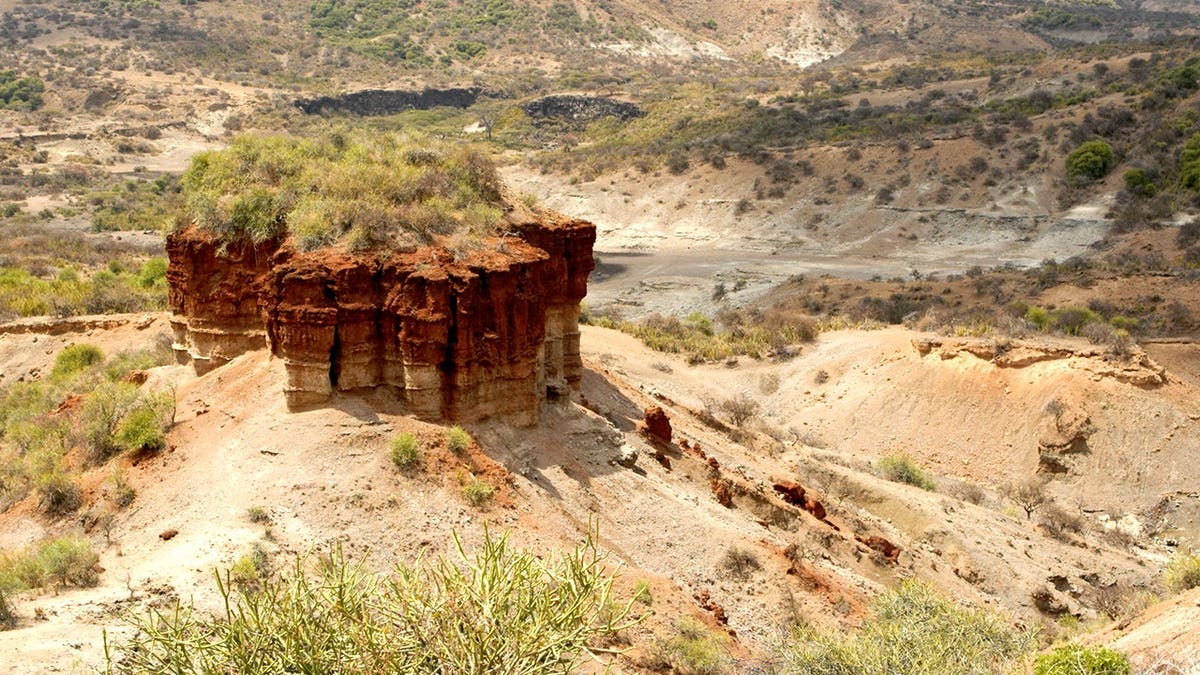
The discovery centers on Olduvai Gorge, pictured above — a site long known for major early human fossil and tool findings. (iStock)
"This shift in behavior is accompanied by larger, more complex occupation sites, signaling a profound ecological and technological transformation," the paper states.
CLICK HERE FOR MORE LIFESTYLE STORIES
"Rather than opportunistic scavenging, these findings suggest a strategic adaptation to megafaunal resources, with implications for early human subsistence and social organization."
Meat from large animals like elephants would have provided a significant food source for early humans, the paper notes.
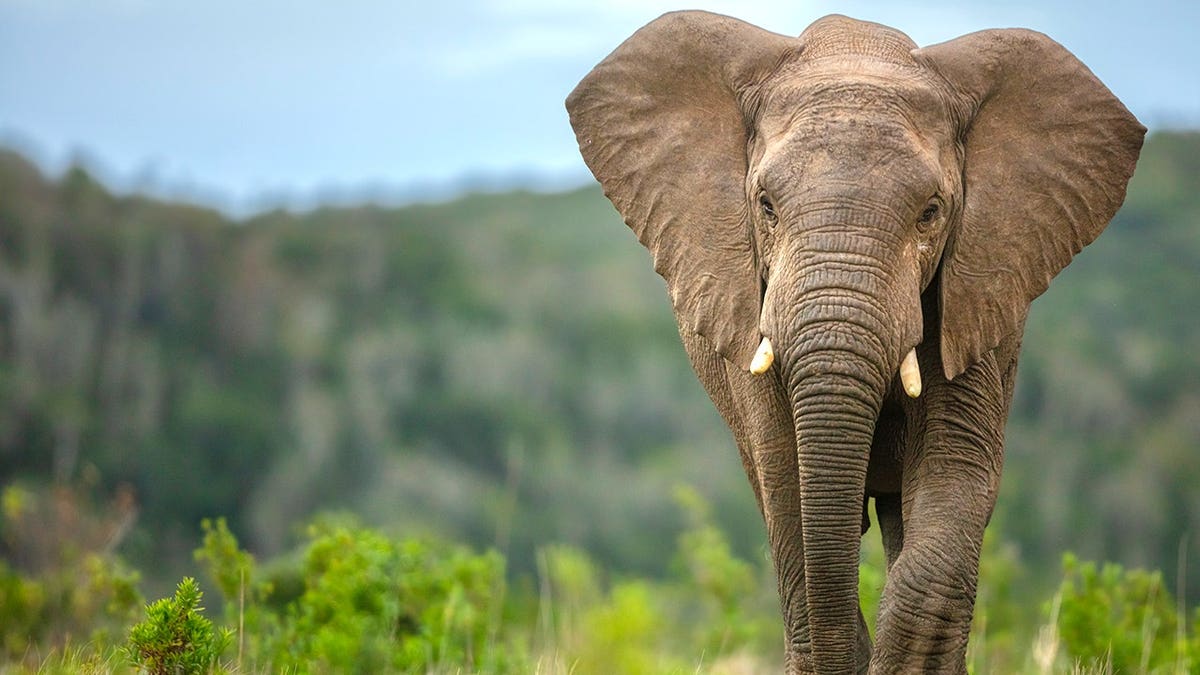
Elephant meat may have provided a substantial food surplus for early human groups, researchers say. (iStock)
"The food surplus generated by the exploitation of some of these animals would have been a significant advantage for the survival and adaptation of the hominin groups," the study adds.
TEST YOURSELF WITH OUR LATEST LIFESTYLE QUIZ
Fox News Digital reached out to the study's lead researcher for comment.
Researchers continue to uncover new clues about human diets, spanning from ancient civilizations to the earliest humans.
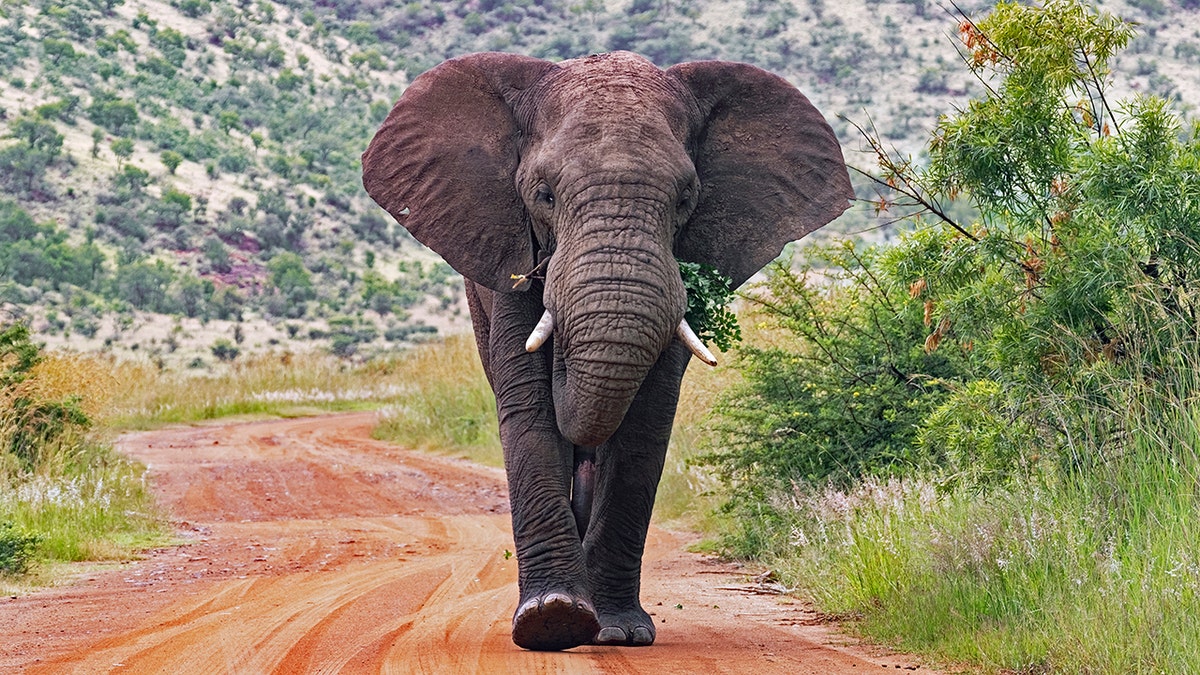
The discovery points to elephants playing a key role in early human diets and survival strategies. (Marica van der Meer/Universal Images Group)
This past December, archaeologists in Pompeii uncovered preserved food remains revealing what enslaved people ate before Mount Vesuvius erupted.
CLICK HERE TO DOWNLOAD THE FOX NEWS APP
More recently, researchers identified food DNA on the Shroud of Turin, suggesting that Jesus' alleged burial shroud may have been contaminated over time.
