






Experts hit Dems for ‘defending drug smugglers’ in Venezuela strikes
Retired Navy Captain Brent Sadler and Foundation for Defense of Democracies founder Cliff May joins 'Fox News Live' to discuss the deadly cartel boat strikes and the war in Ukraine.
The U.S. has seized a Venezuelan oil tanker, President Donald Trump announced Wednesday, marking a sharp escalation in tensions with Caracas.
"We've just seized a tanker on the coast of Venezuela. Large tanker, very large. Largest one ever seized action. And, other things are happening. So you'll be seeing that later. And you'll be talking about that later with some other people," Trump said at the White House.
"It was seized for a very good reason," he added.
The move is likely to further strain relations with Nicolás Maduro’s government, which already is subject to extensive U.S. sanctions targeting Venezuela’s oil sector. It comes after U.S. military strikes have targeted alleged narcotraffickers near Venezuela at least 22 times since September, killing 87 people.

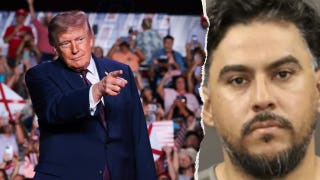
Trump is considering land strike within Venezuela, raising questions about what that would mean for oil costs. (Mandel Ngan/AFP via Getty Images; Mark Felix/Bloomberg via Getty Images; Juan Barreto/AFP via Getty Images)
The seizure was led by the Coast Guard and supported by the Navy, a U.S. official told the Associated Press. The Coast Guard and U.S. Southern Command directed Fox News Digital back to the White House, which could not be reached for comment.
The Trump administration is considering launching land strikes on Venezuelan territory in an effort to further ramp up pressure on Maduro, who the U.S. views as the illegitimate leader of Venezuela and the leader of the Cartel de Los Soles drug trafficking cartel.
HEGSETH DID NOT ISSUE 'KILL THEM ALL' ORDER DURING VENEZUELA STRIKES, ADMIRAL TELLS CONGRESS
Trump recently said Maduro's "days are numbered" and refused to rule out a ground operation in the South American country.
"I don’t want to rule in or out," Trump told Politico. "I don’t talk about it."
Venezuela has some of the largest oil reserves in the world and exports close to 750,000 barrels per day. Around half goes to China, according to Kplr data.
Prior to broad sanctions, Venezuela was historically a major crude-oil supplier for the U.S.
After sanctions on Venezuela’s state oil company Petróleos de Venezuela SA (PDVSA) in 2019, imports dropped sharply. Limited sanctions relief and occasional licensing, notably for Chevron, allowed some Venezuelan crude to flow again to U.S. refineries in 2024 and 2025. Trump revoked Chevron's license to purchase oil from Caracas earlier in 2025.
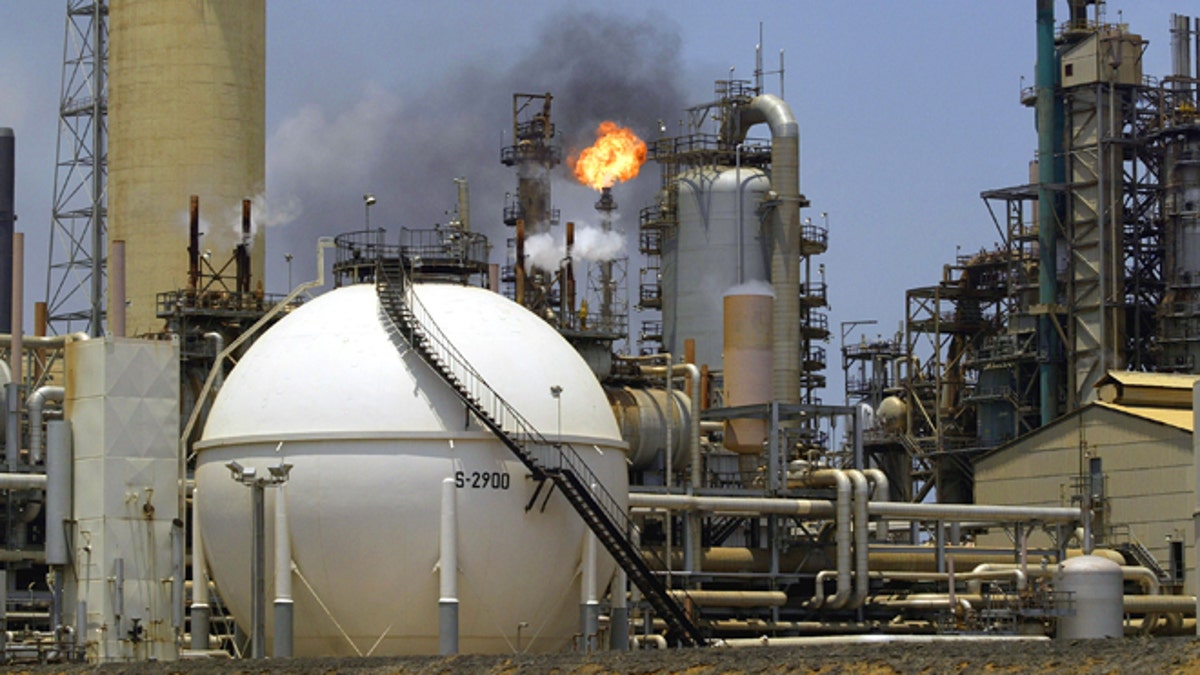
Venezuela has some of the largest oil reserves in the world and exports close to 750,000 barrels per day. (Kimberly White/Getty Images)
The region around Venezuela has seen the largest U.S. military buildup in decades, including the presence of the world's largest aircraft carrier, USS Gerald R. Ford, and the deployment of 10 F-35 jets to Puerto Rico to support Southern Command operations. On Tuesday, two F/A-18 flew over the waters north of Venezuela in training.
In November, President Trump directed airlines to steer clear of the area — a move that raised speculation among analysts that Washington was preparing for land strikes.
Trump and Maduro recently held a phone call, but the two sides failed to come to an agreement that would have seen Maduro leave power.
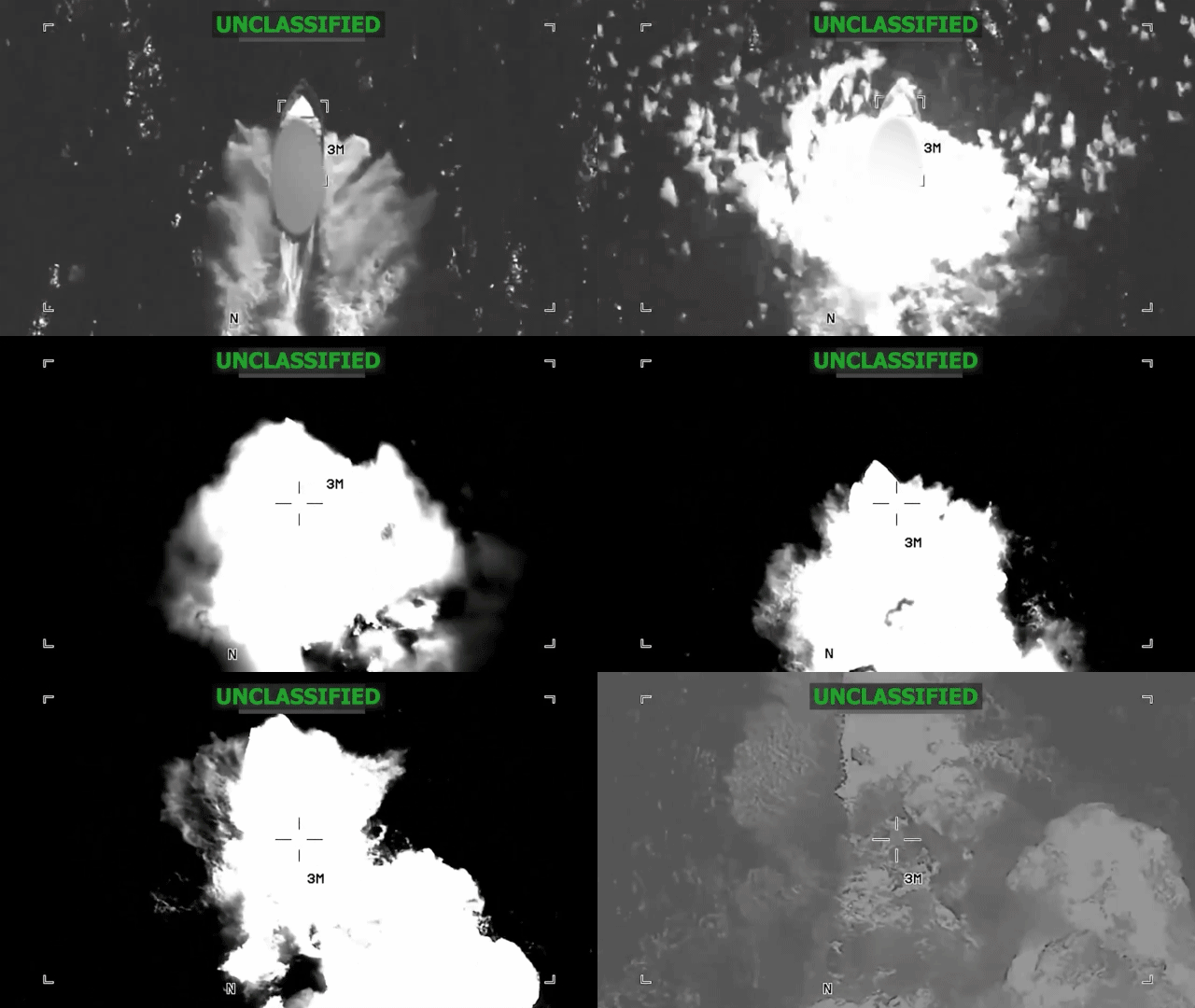
Seizure comes after U.S. military strikes have targeted alleged narcotraffickers near Venezuela at least 22 times since September, killing 87 people. ( U.S. Southern Command/X)
Oil revenue remains the central pillar of Venezuela’s collapsing economy, with the country relying heavily on discounted exports to China and other buyers willing to navigate sanctions exposure.
CLICK HERE TO DOWNLOAD THE FOX NEWS APP
The nation moves much of its crude through a shadow network of reflagged tankers, shell companies and ship-to-ship transfers designed to conceal the origin of its oil. Many vessels operate with their transponders off or spoofing locations to avoid detection.
This is a developing story. Please check back for updates.
