










Inside the 'good, bad and unthinkable' of artificial intelligence
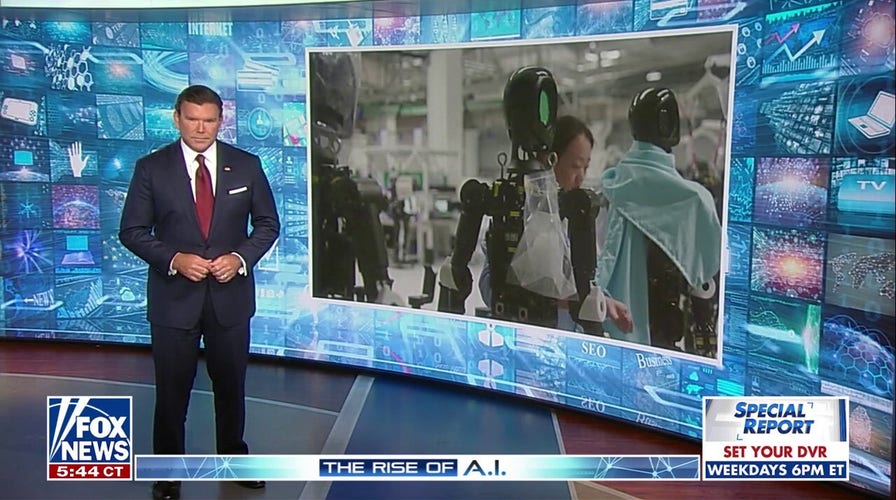
Fox News anchor Bret Baier explores how technology is changing how the world operates on 'Special Report.'
New York State Assemblyman Alex Bores, D-73, who is leading an effort to enact tighter safety regulations in the state for the country’s largest artificial intelligence developers, has attributed pressure from Big Tech to Gov. Kathy Hochul’s decision to rewrite his bill.
Just before President Donald Trump signed an executive order aimed at undercutting state-level AI regulations, news broke that Hochul had severely watered down a state-level bill targeting some of the industry's biggest players, attempting to force them to implement stricter safety measures.
Her amendments reportedly mirrored a California measure more favorable to major AI firms.
In response to Bores' work on the bill, the RAISE Act, the progressive state lawmaker who is running for Congress to replace Rep. Jerry Nadler, D-N.Y., says he has been the target of a $100 million ad campaign bankrolled by some of the biggest leaders in the AI industry, such as OpenAI President Greg Brockman and the major AI venture capital firm Andreessen Horowitz.
TRUMP SAYS EVERY AI PLANT BEING BUILT IN US WILL BE SELF-SUSTAINING WITH THEIR OWN ELECTRICITY
"My reaction was, ‘Oh, this is a message to the governor’ — this is not just about defeating me," Bores told Rolling Stone after Hochul amended his bill. "They want the governor to be intimidated by the idea they might target her next."
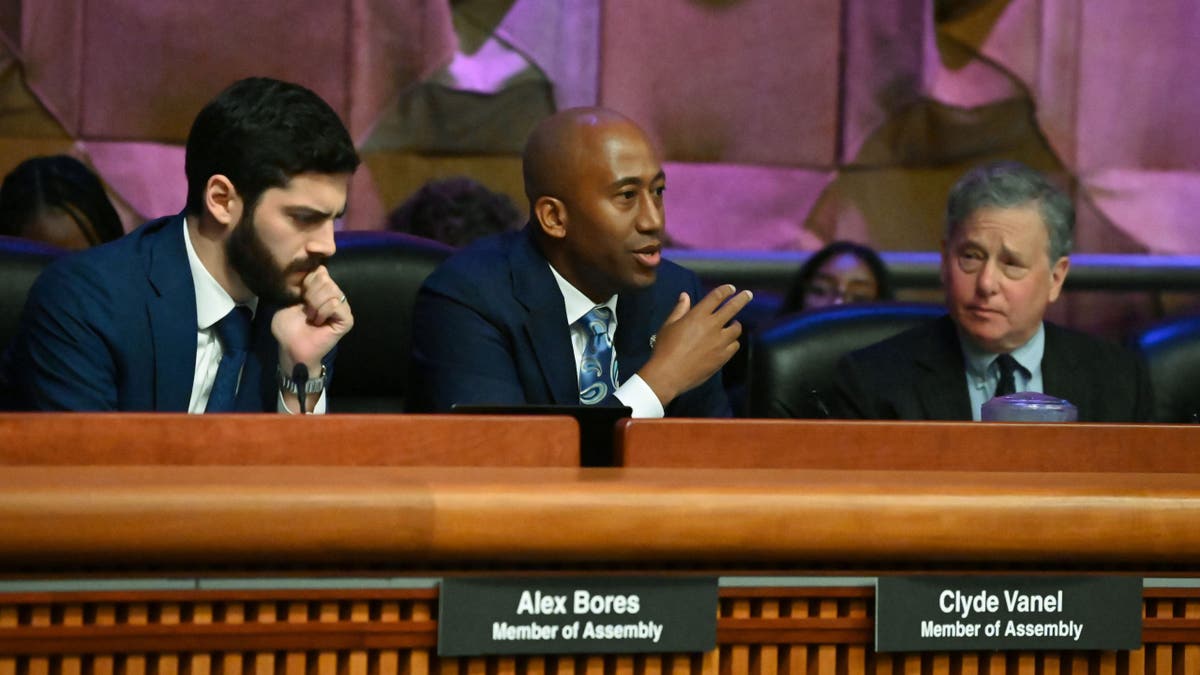
New York State Assemblyman Alex Bores (left) during a hearing questioning witnesses on artificial intelligence Sept. 20, 2024, at the Legislative Office Building in Albany, N.Y. (Will Waldron/Albany Times Union via Getty Images)
"NY can be a leader on critical AI safety, or we can cave to the pressure of the same Big Tech and VC bullies pushing Trump’s AI safety ban," New York State Sen. Andrew Gounardes, D-26, the Senate sponsor of the RAISE Act, said on X. "I know which side I’m fighting on."
The RAISE Act, in its original form, sought to compel a select few of the most advanced AI developers to implement specific safety protocols, including requirements to write detailed safety and security protocols that must then be followed, report incidents of serious harm within 72 hours to the New York attorney general and a prohibition on the release of new models that could pose "unreasonable risk."
But Hochul's rewrite removed the prohibition on new AI models that could pose "unreasonable" risk, extended the reporting threshold to 15 days and weakened penalties against AI companies, among other revisions that scaled back the bill’s restrictions.
"AI oligarchs want to take over our safety, our workforce and our minds for their own personal profit and power," Bores told Fox News Digital when reached for comment. "They’ve already bought the White House and are trying very aggressively to try to buy statehouses, too. That can’t happen, and I won’t let it."
Some tech experts, including TechNYC's Julie Samuels, argue that aligning the RAISE Act with California's standards is actually a wise move because it will "help create a de facto national standard" that does not exist.
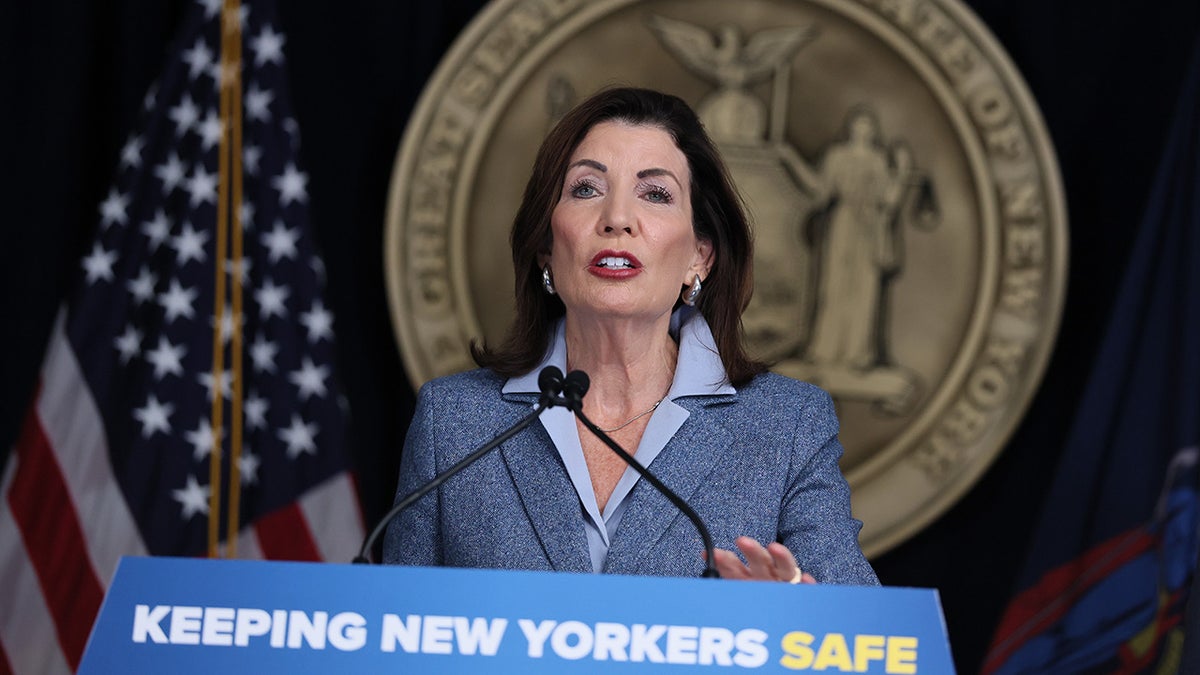
New York Gov. Kathy Hochul speaks during a new conference at her office Oct. 16, 2025, in New York City. (Michael M. Santiago/Getty Images)
When reached for comment, Hochul's office pointed to an "absence of federal leadership on responsible AI" and asserted that New York has been "leading with commonsense laws to protect children, families and consumers."
"Our approach should be a model for the nation," a Hochul spokesperson said. "Gov. Hochul has been at the forefront of the innovation economy and remains committed to advancing AI responsibly as she reviews the legislation."
CLICK HERE TO DOWNLOAD THE FOX NEWS APP
On Thursday, not long after news broke of Hochul's rewrite, Trump signed an executive order aimed at creating a federal regulatory framework that would undercut state regulatory efforts on AI. During the signing ceremony from the White House Thursday evening, Trump said he thinks there will only be "one winner" in the global AI arms race, likely the U.S. or China.
Trump said China holds an advantage because of its centralized regulatory structure, while the U.S. "has to get 50 different approvals from 50 different states," slowing development of new AI centers.
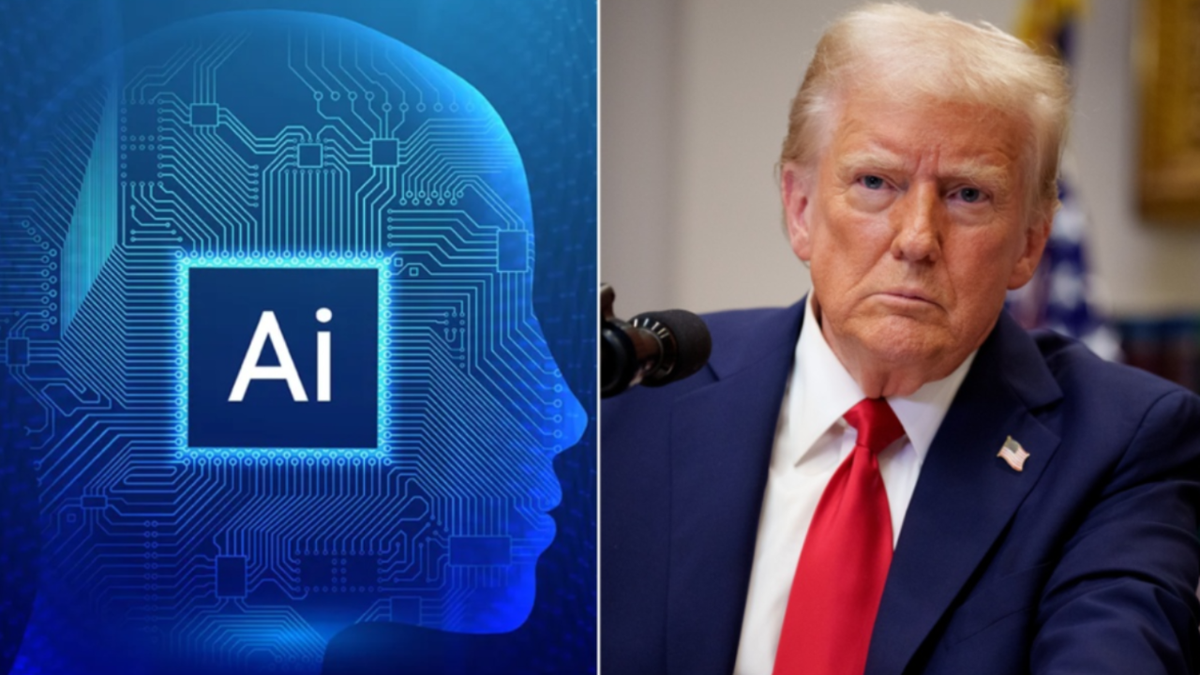
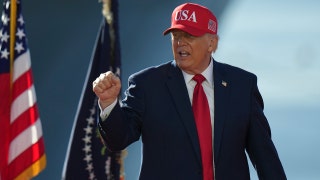
President Trump has made AI dominance a central part of his agenda during his second administration. (Getty Images)
"We want to have one central source of approval," Trump said.
According to senior Trump advisor Will Scharf, more than 1,000 bills aimed at regulating artificial intelligence are moving through state legislatures.
