Trump issues stark warning to Iran as Tehran credits Swiss talks with preventing Lebanon bloodshed
President Donald Trump said he will do “what I have to do” if Iran fails to honor a new 60-day roadmap agreement as Tehran's top negotiator credits Lake Lucerne Summit for preventing more bloodshed in Lebanon.
Coverage for this event has ended.
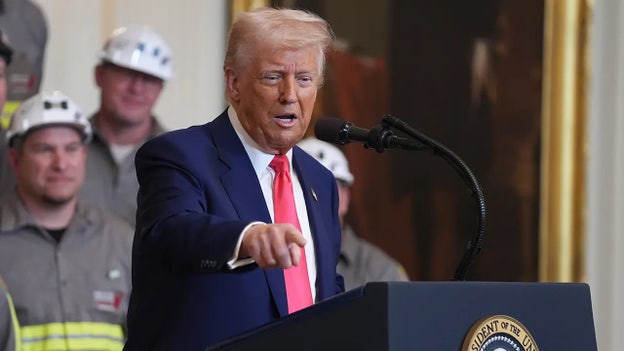
President Trump / AP Photo / Evan Vucci
President Donald Trump on Monday warned that he would take whatever action he deems necessary if Iran fails to uphold its commitments amid a new 60-day roadmap agreement after talks in Switzerland.
"If Iran doesn't live up to their agreement, or if they're not behaving, I will do what I have to do," Trump told reporters in the Oval Office.
The results of the latest negotiations include measures to prevent incidents and miscommunication in the Strait of Hormuz, as well as the creation of a "deconfliction cell" to help enforce the U.S.-Iran ceasefire agreement across all fronts, including Lebanon.
Vice President JD Vance also said Monday that Tehran agreed to invite International Atomic Energy Agency (IAEA) inspectors into the country.
Click here to follow the latest updates in the conflict with Iran.
Congress / Bill Clark / CQ-Roll Call, Inc via Getty Images
The Pentagon has asked Congress for roughly $80 billion in funding to cover the cost of the U.S. war against Iran, multiple sources told Fox News on Monday.
Deputy Secretary of War Stephen Feinberg had recently informed congressional leaders that the Pentagon will require "about $80 billion" in additional funds to pay for the conflict, multiple congressional sources told Fox News National Security Correspondent Jennifer Griffin.
The estimate is significantly higher than the $29 billion figure Pentagon officials, including Secretary of War Pete Hegseth and the department's comptroller, recently cited during testimony before Congress.
Many lawmakers and defense experts viewed that earlier estimate as a substantial understatement of the war's true cost, particularly given the large number of SM-3, Patriot, THAAD and Tomahawk missiles expended during operations against Iran, Griffin reported.
Sources also told Fox News that President Donald Trump is expected to meet with major defense contractors on Wednesday to urge them to accelerate production of missile systems and replenish depleted U.S. stockpiles.
"The contractors have already indicated that without Congress appropriating additional funds, the Pentagon cannot sign contracts and defense companies cannot begin production on speculation," one source said.
"They need contracts," the source added.
Hegseth was on Capitol Hill last week to discuss both the Iran conflict and the defense budget, but reportedly declined requests to meet with Democratic lawmakers.
The issue of war-related costs likely surfaced during those discussions as well. The Wall Street Journal first reported the $80 billion requirement.
Oman and Iran reaffirmed their commitment to international law and toll-free, safe passage through the Strait of Hormuz amid talks in Muscat on Monday, according to Omani Foreign Minister Badr Albusaidi.
The stability and freedom of navigation of the Strait of Hormuz is a key component of the new U.S.-Iran memorandum of understanding (MOU).
“Welcomed Iran’s Speaker of Parliament HE Dr. Ghalibaf and FM Dr. Araghchi in Muscat this evening” Albusaidi said in a post shared on X.
“Constructive discussions on the recent Iran-US MOU, especially the Strait of Hormuz paragraph,” he added.
“We affirmed commitment to international law and toll-free safe passage,” he said.
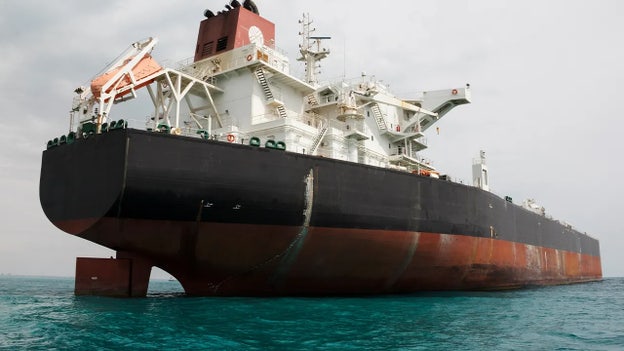
Hormuz / Farzad Frames / Getty Images
Oil prices rebounded on Tuesday after a decline in the previous session, Reuters reported.
The change was supported by positivity over the U.S.-Iran peace talks in Switzerland and as investors waited for signs of progress in restoring crude flow through the Strait of Hormuz.
Brent crude futures gained 24 cents, or 0.38%, to $78.15 a barrel, while U.S. West Texas Intermediate crude rose 33 cents, or 0.46%, to $74.19 a barrel as of 12:26 a.m. GMT.
The recovery followed a selloff of more than 3% on Monday after the U.S. Treasury granted Iran a 60-day sanctions waiver following initial peace talks.
Prices were also pressured after officials reported reduced hostilities in Lebanon.
U.S. Ambassador to the United Nations Mike Waltz confirmed Monday that Iran is allowing nuclear inspectors back into the country, calling it the first step in a broader process.
“This is the beginning of a process. And even after the first round, we have Iran now allowing inspectors back in,” Waltz said on "The Ingraham Angle."
Waltz contrasted the framework with former President Barack Obama’s Joint Comprehensive Plan of Action (JCPOA), arguing that Iran had too much control over inspections under the previous agreement.
“The other flaw from Obama’s Iran deal was that the inspectors — Iran got to dictate where the inspectors went,” he said.
“It's like a criminal dictating when the parole officer comes in. And I have every confidence that this team will drive any time, anywhere inspections.”
He also emphasized that the memorandum of understanding remains a framework rather than a final agreement.
“This is an MOU with just 14 points, the details of which — whether it's where the inspectors can go, when they can go and under what circumstances, or how we control these frozen funds — are being negotiated right now as we speak,” Waltz said.
“A lot of these details are going to be worked out in those technical talks,” he added.
“At the end of the day, President Trump drives a hard bargain,” Waltz said. “What we never had before was the credible threat of military force to back up our diplomacy.”
Iran had reinstated transit permit requirements for vessels passing through the Strait of Hormuz maritime intelligence firm Windward said Monday, warning the next 24 to 48 hours may be critical in determining whether commercial shipping stays unaffected.
"Iran reinstated the Strait of Hormuz transit permit requirement on 21 June. Twelve hours later, commercial traffic was still moving," the firm said on X.
Windward reported that four outbound tankers assessed to be carrying Iranian crude continued transiting the strait.
Three were operating "dark" with their tracking systems disabled, while one was designated by the Treasury Department's Office of Foreign Assets Control under the U.S. sanctions program targeting Iran.
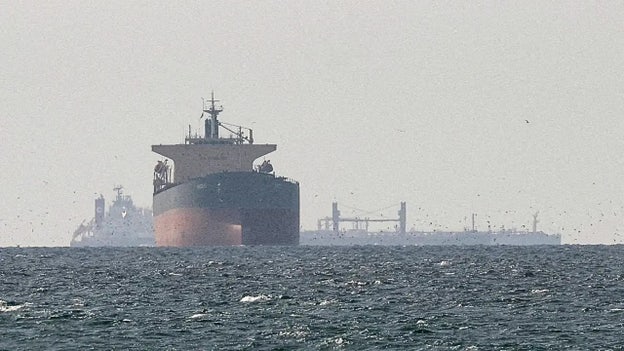
Hormuz / Reuters
The firm also identified two inbound liquefied natural gas carriers, including one vessel that continued broadcasting its Automatic Identification System, or AIS, signal despite the renewed permit requirement.
Windward further noted "a cluster of more than 30 high-speed craft moving northwest," activity it said was consistent with Islamic Revolutionary Guard Corps Navy operations observed since mid-May.
"The next 24-48 hours will be decisive," the firm said.
"If neutral commercial traffic continues to transit, the renewed permit requirement has had limited operational impact," Windward added.
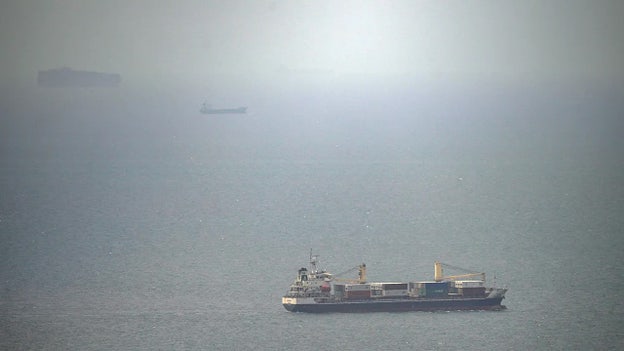
Hormuz / AP Photo
Iranian Parliament Speaker and lead negotiator Mohammad Bagher Ghalibaf said Monday that Tehran intends to manage the Strait of Hormuz in accordance with international law, the Associated Press reported.
Speaking to Iranian state media on the flight back to Tehran after talks with the U.S. delegation in Switzerland, Ghalibaf said, “Hopefully we can activate the strait again, in terms of passage, and bring prosperity back to the regional and global economy.”
His comments followed two days of negotiations in where mediators said both sides agreed to establish a communication channel aimed at preventing incidents and miscommunications in the Strait of Hormuz and ensuring safe passage.
President Donald Trump, meanwhile, declared Monday that the United States maintains “total control” of the strait and suggested any blockade could be reimposed within minutes if needed.
Iranian Parliament Speaker and chief negotiator Mohammad Bagher Ghalibaf said Monday that talks with the U.S. delegation in Switzerland helped avert more bloodshed in Lebanon.
"I saw on a state TV program that they said Mehrabad Airport should have been closed so the negotiating team could not travel to Switzerland," Ghalibaf said in a post shared on X.
"If we had not gone to Switzerland, more Muslim and Shiite blood would have been shed in Lebanon every moment."
Citing Iranian state media, Reuters reported that Ghalibaf said on his return from Lake Lucerne that, based on the talks, the United States and Iran would guarantee Lebanon's territorial integrity.
He also said the two nations agreed to establish a communication line over safe ship passage through the Strait of Hormuz.
Reuters also reported that Ghalibaf told Iranian state TV that an agreement to release $12 billion in frozen Iranian assets was finalized during the talks.
Prime Minister Benjamin Netanyahu confirmed Monday that the IDF would remain in the security zone in southern Lebanon as President Donald Trump signaled he may weigh in on Israel's continued military presence in the area.
“A short while ago, a discussion took place between the prime minister, the minister of defense, the chief of the General Staff, and the commander of the Northern Command,” Netanyahu’s office said in a statement shared on X.
“The IDF will continue to act with determination in order to neutralize threats against our soldiers and our citizens, demolish terrorist infrastructure, and maintain the security zone in southern Lebanon.”
The prime minister, the minister of defense and the chief of the General Staff also said they made it clear that the “security of Israeli citizens and IDF forces will remain their guiding principle without compromise.”
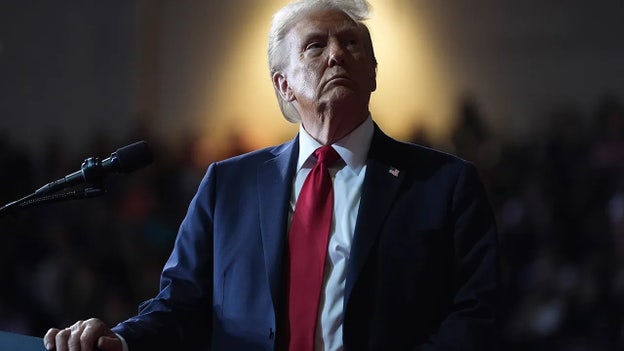
President Trump / AP Photo / Evan Vucci
The statement came as Trump told reporters in the Oval Office Monday that he would review the situation after being asked about Netanyahu and reports that Israeli forces were not leaving Lebanon.
“Well, we’re going to take a look at it,” Trump said before adding that he was a problem solver.
“I get problems solved real fast, including with Bibi,” the president added.
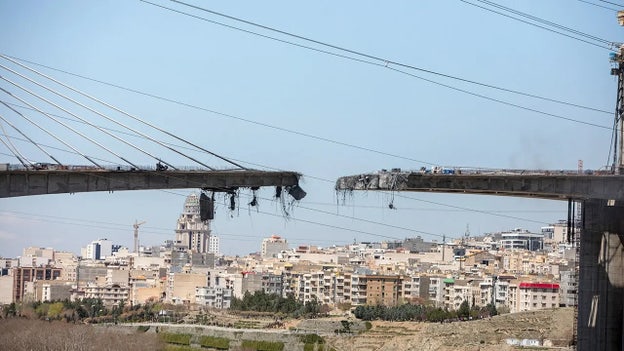
B-1 Bridge in Karaj / Majid Saeedi / Getty Images
Iran has started rebuilding its B-1 Bridge in Karaj, west of Tehran, nearly three months after it was hit in a U.S. airstrike, Iran International reported Monday.
The bridge was once described by President Donald Trump as Iran's "George Washington Bridge," and he said it was "the biggest bridge in Iran" and would "never" be used again.
U.S. officials said the April 2 strike on the bridge targeted a route allegedly used to move missile and drone components.
At the time, Iranian officials described the bridge as civilian infrastructure. Regional authorities say the reconstruction will cost more than $23 million and take about a year.
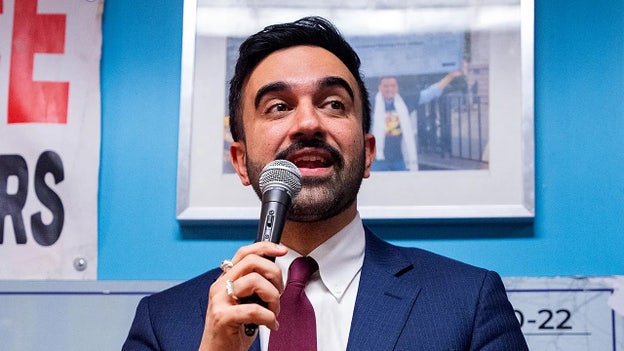
Mamdani / Angelina Katsanis / AP
New York City Mayor Zohran Mamdani defended calling the American Israel Public Affairs Committee (AIPAC) "monsters," a remark critics said invoked antisemitic tropes, according to reports.
At a rally Thursday, Mamdani said, "The monsters that we are up against, they take many different forms," before singling out AIPAC.
He described AIPAC as an organization "for whom the only thing more frightening than democracy being allowed to run its course is an end to genocide and Netanyahu's wars."
According to The Times of Israel, Mamdani also alleged that AIPAC moves "millions in dark money to accomplish a single goal: to preserve their power so that they can turn us against one another instead of our leaders turning toward the moral change we all know to be necessary."
At a press event Saturday, Mamdani said: "When I am speaking about AIPAC, I'm speaking about an organization that has been supportive of the status quo, that has fought any attempt to actually deliver safety to people, not just in Palestine but, frankly, through much of the region."
"It is a status quo of immorality. It is one that I will not accept," he added.
"It is important that when we ask ourselves how such death and destruction is happening overseas, we also name those who allow it to take place," he said Thursday, the outlet reported.
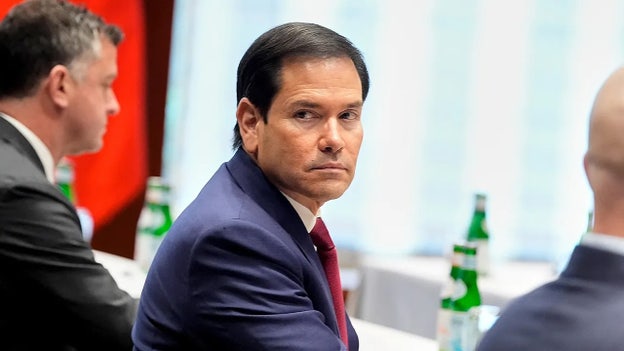
Marco Rubio / Alex Brandon / POOL / AFP via Getty Images
Secretary of State Marco Rubio spoke to Israeli Prime Minister Benjamin Netanyahu and Lebanese President Joseph Aoun on Friday about solidifying a ceasefire and future talks, a U.S. official told Fox News on Monday.
As a result of those calls, the U.S. started a monitoring mechanism via U.S. Central Command (CENTCOM) so that policymakers have real-time and accurate information about fighting in Lebanon, the official confirmed.
Israeli and Lebanese officials will also be in Washington for three days this week to continue the work.
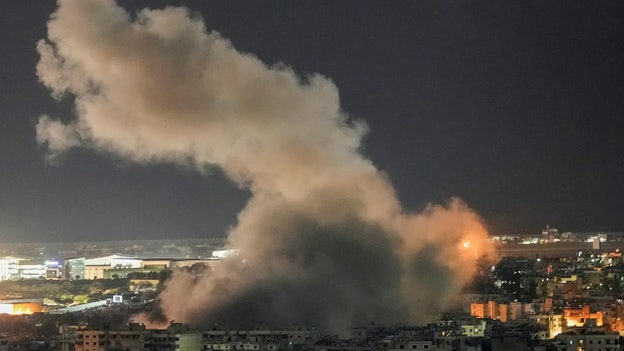
Lebanon strikes / AP Photo / Bilal Hussein
This came as Netanyahu, Israeli Defense Minister Israel Katz, IDF Chief of Staff Lt. Gen. Eyal Zamir and Northern Command chief Maj. Gen. Rafi Milo held a call, according to The Times of Israel.
"The IDF will continue to act decisively to thwart threats to our soldiers and civilians, destroy terror infrastructure, and continue maintaining the security zone in southern Lebanon," Netanyahu, Katz and Zamir said in a joint statement, the outlet said.
"The prime minister, the defense minister and the chief of staff clarified that the security of Israel's civilians and IDF troops will remain paramount without compromise," they added
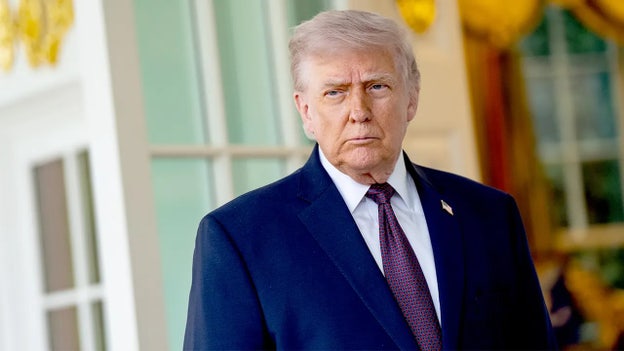
President Donald Trump / Salwan Georges / Bloomberg via Getty Images
President Donald Trump said Monday that the United States maintains control of the Strait of Hormuz and suggested the blockade could be reinstated within 30 minutes if needed.
"As long as they respect us, we're not going to have any trouble," Trump said of the Iranian regime before stating that "we have total control of the strait."
Turning to the new mechanism established under the new framework agreement, Trump discussed the impact of the blockade that was lifted June 17.
"I think the blockade was more impactful than dropping bombs, if you want to know the truth," he said.
"It was like I said, they call it the steel wall. Nobody got through it. Not one ship got through, able to go to Iran."
"They got through if we wanted them to go through, and we could set that up again in about 15 minutes. I would say one phone call. How long would it take? Maybe half an hour," he added.
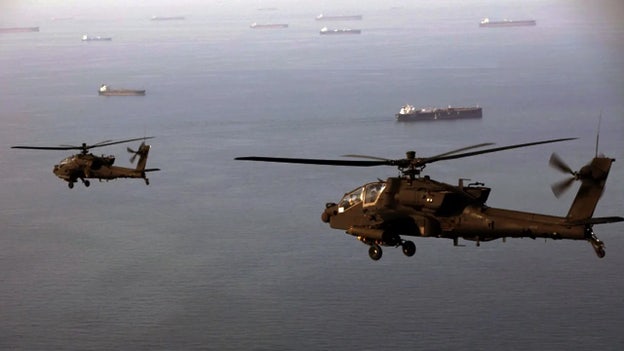
Apaches / Hormuz / U.S. Central Command
Trump also contrasted the new agreement with the 2015 Joint Comprehensive Plan of Action (JCPOA) the Iran nuclear deal negotiated by former President Obama.
"Obama gave them a road to a nuclear weapon. I gave them a wall against another. They'll never, under this agreement, even think about building a nuclear bomb," Trump told reporters.
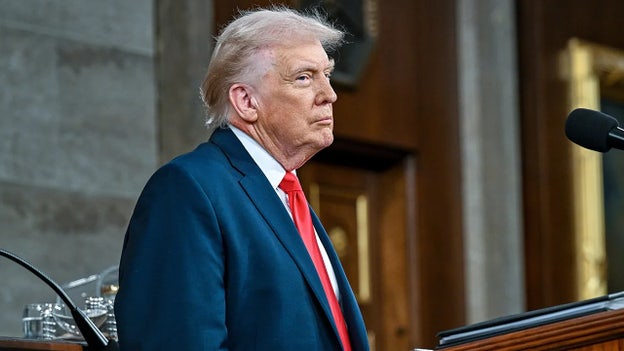
President Donald Trump
President Donald Trump said Monday that negotiations between Washington and Tehran are progressing positively, suggesting the U.S. delegation is working toward a fair and reasonable agreement.
“I think Iran, I can say in a sort of a different scale, is, in its own way, working out very well,” Trump said during the signing of an executive order in the Oval Office.
“Maybe it's hard to say just as well, but maybe almost just as well,” he added. “And we're doing very well in terms of negotiating a fair and reasonable deal.”
Addressing the issue of Iran’s frozen assets, Trump said the topic came up during discussions the previous evening.
“One of the things that we are doing also, and it came up last night, is money that's being unfrozen is going to be used to buy food, and the food is going to be bought exclusively through the United States from our farmers,” Trump said.
“And corn, soybeans and all of the things they need are going to be bought from our farmers. So our farmers are very happy. I've had a lot of calls,” he added.
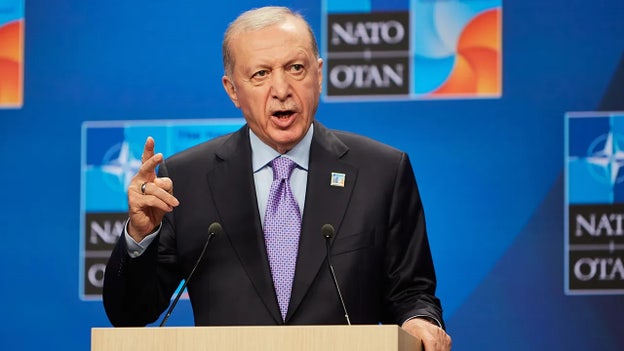
Erdogan / Pierre Crom / Getty Images
Turkish President Tayyip Erdogan told Iranian President Masoud Pezeshkian in a call on Monday that he welcomed the agreement reached between Iran and the United States and was ready to provide any support needed to help the process conclude peacefully, Erdogan's office said, Reuters reported.
According to Turkey's presidency, Erdogan also said it was important to stay vigilant against attempts to sabotage the talks and stressed that new steps to strengthen regional peace were necessary.
Pezeshkian also said Iran was prepared to continue diplomacy within the framework of international law and was "not seeking war" while also calling for Lebanon to be included in peace efforts.
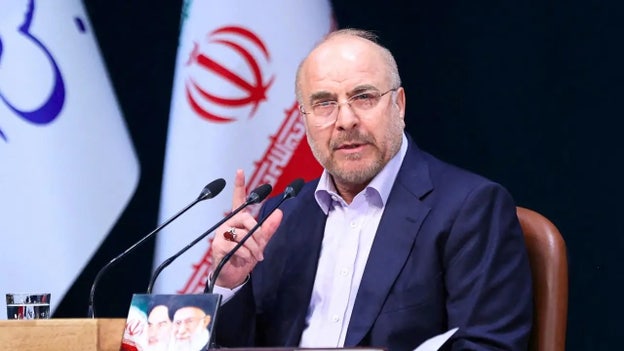
Ghalibaf / Majid Asgaripour / WANA / West Asia News Agency via REUTERS
Iranian Parliament Speaker Mohammad-Bagher Ghalibaf and Foreign Minister Abbas Araghchi left Tehran for Muscat on Monday for talks with Oman's Sultan Haitham bin Tariq, according to reports.
Ghalibaf and Araghchi were reportedly discussing arrangements for managing the Strait of Hormuz shortly after returning from meetings with U.S. officials in Switzerland.
Ghalibaf also said in a post on Telegram that he and Araghchi would also discuss ways to strengthen bilateral cooperation during meetings with the Omani leader.
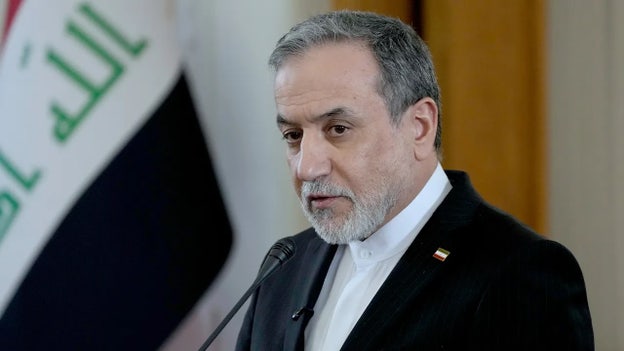
Aragchi / Vahid Salemi / AP
The trip followed talks between U.S. and Iranian officials in Lake Lucerne that Vice President JD Vance described as productive.
The sides agreed to establish a 60-day roadmap that includes a communication channel to prevent incidents and misunderstandings in the Strait of Hormuz and address tensions in Lebanon.
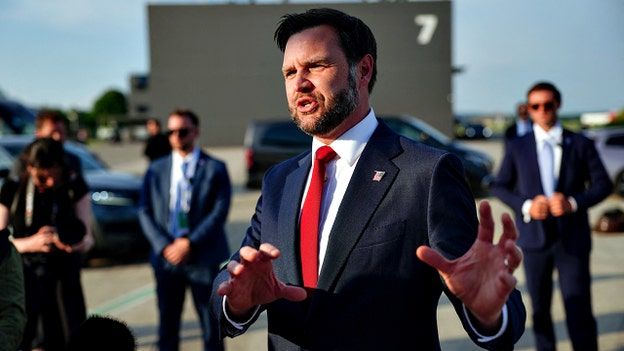
U.S. Vice President JD Vance speaks to members of the media before boarding Air Force Two, after the U.S. and Iran held high-level talks at the Lake Lucerne Summit, at Emmen Military Air Base, Emmen, Switzerland, June 22, 2026. (Reuters/Nathan Howard/Pool)
Vice President JD Vance declared "significant progress" in high-stakes negotiations with Iran before he departed from Switzerland on Monday, stressing that the Trump administration remains focused on verifying Iran's actions rather than trusting its promises.
"I feel great about the progress that we made over the last couple of days," Vance told reporters before boarding Air Force Two, describing the whirlwind talks involving U.S., Iranian and mediators Qatar and Pakistan as “a productive 36 hours.”
Among the most significant developments, Vance said Iran has agreed to allow nuclear inspectors back into the country, a key demand as the administration seeks to ensure Tehran cannot develop a nuclear weapon.
But Vance cautioned that the agreement will be judged by implementation, not rhetoric.
"Whether good faith or bad faith, you can't trust anybody's words. You have to trust what they actually do," Vance said. "What the president has asked us to do is verify what they're doing, focus less on what they're saying."
Vance also said negotiators established mechanisms aimed at keeping the Strait of Hormuz open and maintaining a regional ceasefire with support from U.S. allies, including Israel and Gulf Arab nations.
He also said that potentially unfreezing certain Iranian funds for tightly controlled purchases, including American agricultural products, would only happen if Tehran continues making progress in the negotiations.
"That money is not going to be unfrozen unless we continue to see progress," he said.
The vice president downplayed speculation about a reported diplomatic snub by an Iranian official during the talks, noting that negotiators continued discussions for hours afterward.
"There was this social media firestorm where everybody said the Iranians are going to leave. And then we proceeded to talk to them for like the next nine hours," he said, encouraging the media to "mistrust a little bit" what they see coming out of Iranian social media.
Despite his optimistic assessment, Vance acknowledged that a final agreement remains a work in progress.
"This is laying a foundation for what could be a truly transformed Middle East," he said. "But we haven't built a house yet."
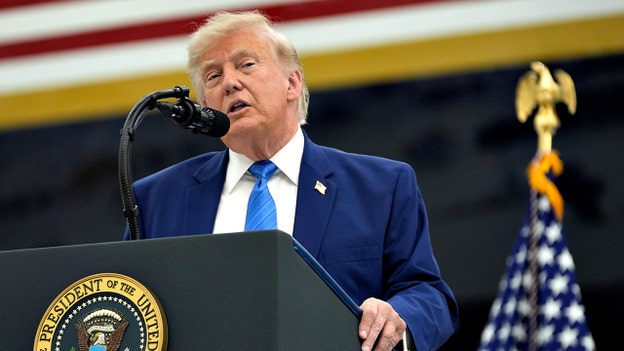
President Donald Trump speaks after touring the newly designated Air Force One presidential aircraft at Joint Base Andrews, Md., Friday, June 19, 2026. (AP Photo/Manuel Balce Ceneta)
President Donald Trump on Monday said Iran must ensure its commitment to long-term “nuclear honesty” through agreeing to have major weapons inspections after talks in Switzerland produced a 60-day roadmap toward a broader peace agreement.
Trump made the comment in a post on social media after high-level talks wrapped up in Switzerland between the U.S., Iran and mediators Qatar and Pakistan.
“Everybody is fully aware that Iran will agree to have Major Weapons Inspections in order to ensure ‘Nuclear Honesty’ long into the future,” Trump wrote.
Vice President JD Vance told reporters in Switzerland after the talks concluded earlier Monday that one objective they achieved during the talks was Iran's agreement to invite International Atomic Energy Agency (IAEA) inspectors back into the country.
"The Iranians have agreed to invite IAEA inspectors back into their country. That is a major milestone for the American people," Vance said.
Tehran has previously refused inspectors access to the enrichment sites in the country bombed by the U.S., where Iran’s highly enriched uranium is believed to be buried.
The Associated Press contributed to this report.
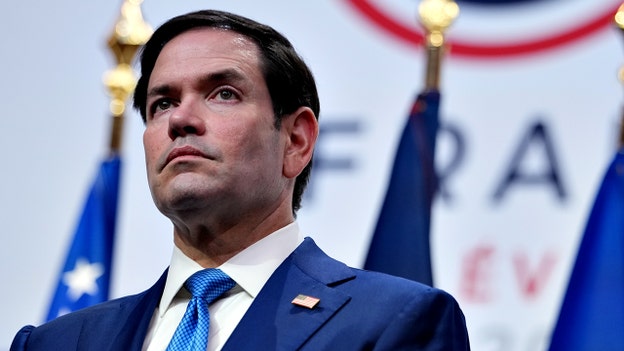
Marco Rubio, U.S. Secretary of State listens as U.S. President Donald Trump speaks during a news conference at the G7 summit, Wednesday, June 17, 2026, in Evian-les-Bains, France. (AP Photo/Julia Demaree Nikhinson)
Secretary of State Marco Rubio is heading to the Persian Gulf this week for talks with key U.S. allies as tensions with Iran and concerns over shipping security in the Strait of Hormuz remain at the forefront of Washington's regional agenda.
Rubio will travel to the United Arab Emirates, Kuwait and Bahrain from June 23-25, where he is expected to meet with regional leaders as the Trump administration works to advance a newly signed memorandum of understanding with Iran and reassure Gulf partners about U.S. efforts to promote stability in the Middle East.
The State Department said Rubio will discuss a range of regional priorities, including the agreement reached with Tehran, efforts to ensure "full and free safe transit" through the Strait of Hormuz and broader initiatives aimed at maintaining peace and security across the region.
The trip comes amid heightened diplomatic activity following recent talks between senior U.S. and Iranian officials in Switzerland and ongoing efforts by the administration to prevent further escalation between Iran and its neighbors.
While in Bahrain, the state department said Rubio will also meet with officials from the Gulf Cooperation Council, a regional bloc that includes Bahrain, Kuwait, Oman, Qatar, Saudi Arabia and the United Arab Emirates, “to discuss shared priorities across the region.”
The Trump administration has temporarily authorized the production, delivery and sale of Iranian oil under a new 60-day license, Treasury Secretary Scott Bessent announced Monday.
The general license was announced as the U.S. and Iran continue talks with a goal of reaching a final peace deal. It eases the restrictions on Iranian crude oil and petrochemical and petroleum products through August 21.
“In line with the ongoing productive talks in Switzerland, Iran has committed to free and open transit in the Strait of Hormuz and to permit International Atomic Energy Agency (IAEA) inspectors into their country,” Bessent wrote on X.
“As part of the framework, Treasury has issued a temporary 60-day general license authorizing the production, delivery, and sale of Iranian oil,” he continued.
The license further states that people in North Korea, Cuba, or the Crimea region of Ukraine cannot buy Iranian oil or benefit from its sale.
Vice President JD Vance on Monday said one goal achieved through high-level talks in Switzerland was establishing a mechanism to keep the Strait of Hormuz open and prevent disputes in the strategic shipping lane from escalating into a wider conflict.
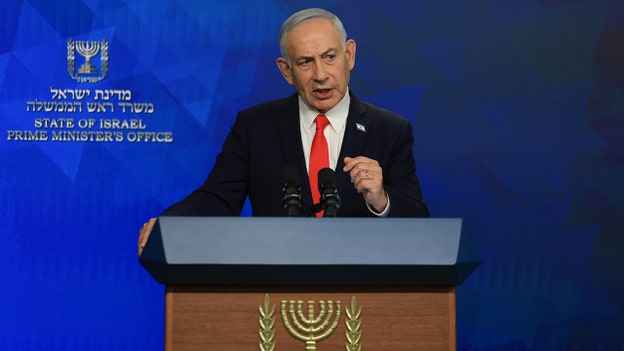
Israeli Prime Minister Benjamin Netanyahu holds a news conference, in Jerusalem, Monday June 15, 2026. (Ronen Zvulun, Pool Photo via AP)
Israeli Prime Minister Benjamin Netanyahu on Monday vowed that Israeli forces will retain broad authority to strike threats in southern Lebanon and remain in a security zone along the border for as long as necessary, signaling a hardline stance against Hezbollah despite ongoing international pressure to reduce tensions in the region.
Netanyahu reaffirmed his stance on Israel Defense Force (IDF) troops remaining in southern Lebanon in a video statement translated from Hebrew.
"My directive, and that of the Minister of Defense, to the IDF is clear and has not changed: Our fighters in southern Lebanon have full freedom of action to thwart any direct or developing threat to them or to the residents of the North,” Netanyahu said.
“The IDF has no restrictions on this matter,” he added.
The prime minister said that he and the entire nation of Israel stand behind the troops.
“My stance is firm on our remaining in the security zone in southern Lebanon for as long as is required in order to protect the residents of the North and all citizens of the state," Netanyahu said.
Netanyahu’s statement comes after high-level talks between the U.S. and Iran wrapped up in in Switzerland on Monday.
Vice President JD Vance, who led the U.S. team, earlier touted one goal achieved through the talks was establishing a "deconfliction mechanism" aimed at improving communication among parties in the region when hostilities break out.
Vance said the mechanism would allow Israel, Lebanon, Hezbollah and regional partners to communicate during periods of heightened tensions and to prevent incidents from spiraling into a larger conflict.
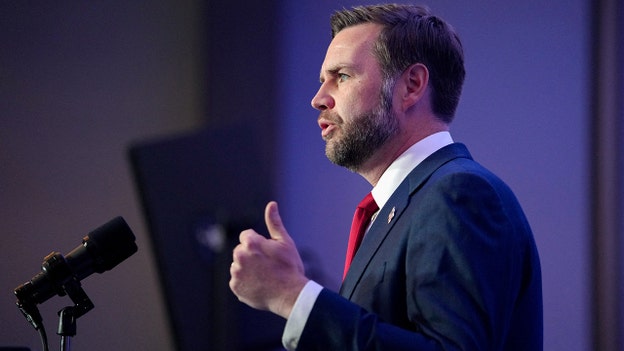
Vice President JD Vance speaks to members of the media at the Buergenstock Resort Lake Lucerne, after the U.S. and Iran held high-level talks at the Lake Lucerne Summit, near Stansstad, Switzerland, June 22, 2026. (Reuters/Nathan Howard/Pool)
Vice President JD Vance said Monday that the Trump administration is working toward a regional ceasefire that protects Israel's right to defend itself while preventing isolated clashes from escalating into a broader conflict.
"We want a regional ceasefire," Vance said after the high-level talks with Iran and mediators Qatar and Pakistan wrapped up in Switzerland. "We want Hezbollah to stop firing at our friends in Israel. We want Israelis to be able to live in peace. We also want to make sure that when things happen, they don't spiral into a broader escalation.”
A key focus of the talks, Vance said, was establishing what officials are calling a "deconfliction mechanism" aimed at improving communication among parties in the region when hostilities break out.
The goal is to prevent incidents from spiraling into a larger conflict, particularly when attacks are carried out by lower-level actors without authorization from senior leadership.
"Israel and every other nation in the region has the right of self-defense," Vance said. "But we want to make sure that everybody has that right of self-defense in the background, where we're talking about how to de-escalate these conflicts rather than spiraling out of control."
Vance said the mechanism would allow Israel, Lebanon, Hezbollah and regional partners to communicate during periods of heightened tensions, creating a process that he argued did not previously exist.
"There really hasn't been a mechanism to have those discussions until basically around 4 p.m. yesterday," he said.
The vice president pointed to a recent decline in violence as an early sign that the effort may be working, though he cautioned that the situation remains fragile.
"The past 24 hours have probably been the most peaceful that we've seen," Vance said, noting that fighting had flared up just days earlier.
Vance described the ceasefire effort as a work in progress but said U.S. negotiators have put a framework in place designed to reduce the risk of a wider regional war.
“We want Israel's security to be protected, and we also want Lebanon's sovereignty to be protected. And this is going to be an ongoing conversation,” Vance said.
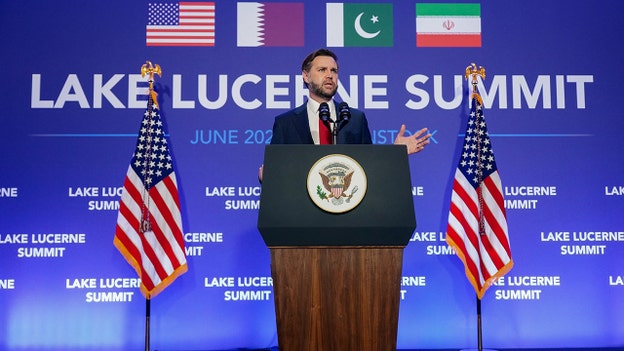
U.S. Vice President JD Vance speaks to members of the media before boarding Air Force Two, after the U.S. and Iran held high-level talks at the Lake Lucerne Summit, at Emmen Military Air Base, Emmen, Switzerland, June 22, 2026. (Reuters/Nathan Howard/Pool)
Vice President JD Vance pushed back Monday on what he described as inaccurate reporting about potentially unfrozen Iranian assets, arguing that any future release of funds would be tightly controlled and directed toward purchases that benefit both American farmers and the Iranian people.
Vance spoke to reporters in Switzerland after high-level talks concluded, saying the Trump administration worked to establish a framework ensuring that any Iranian assets unfrozen as part of a future agreement could not be diverted to fund terrorism.
According to Vance, the arrangement developed with Qatari officials would require approval from both the United States and Qatar before any unfrozen Iranian funds could be spent on American agricultural products, which would then be provided to the Iranian people.
"If there is any frozen Iranian assets that are unfrozen, then we have approval over that process, the Qataris have approval over that process," Vance said. "The money would actually go to buy American soy, American corn and American wheat for the benefit of the Iranian people."
Vance said the structure was designed to ensure the funds benefit ordinary Iranians rather than the country's government or its proxies.
He also blamed confusion surrounding the proposal on social media commentary that he said mischaracterized the agreement.
"Fundamentally, what Jared [Kushner] and the Qataris and the entire team here in Bürgenstock accomplished is, to me, a classic Trump deal," Vance said. "If Iranian assets are ever unfrozen, they're going to go to make American farmers richer and to feed the Iranian people."
"That's a very, very good and very classic Trump deal," he added. "That's great for our people, great for the people of Iran."
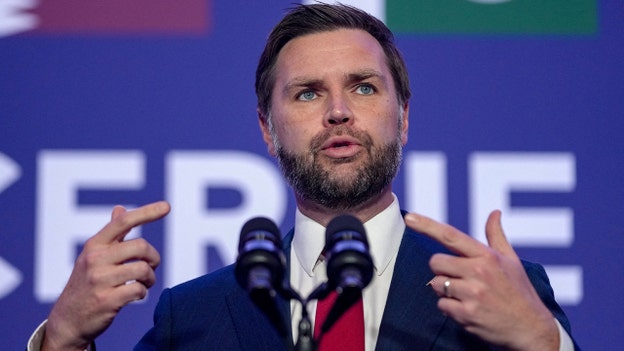
U.S. Vice President JD Vance speaks to members of the media before boarding Air Force Two, after the U.S. and Iran held high-level talks at the Lake Lucerne Summit, at Emmen Military Air Base, Emmen, Switzerland, June 22, 2026. (Reuters/Nathan Howard/Pool)
Vice President JD Vance said Monday that U.S. negotiators accomplished every major objective they brought to talks with Iran in Switzerland, dismissing complaints from Tehran and arguing the discussions laid the groundwork for a broader agreement.
"There was a little bit of whining from the Iranians," Vance told reporters in Switzerland after the high-level talks. "But I think that's to be expected."
Despite those tensions, Vance said the negotiations produced concrete results. He outlined four goals the administration set before entering the talks and said all four were achieved.
The first was establishing a mechanism to keep the Strait of Hormuz open and prevent disputes in the strategic shipping lane from escalating into a wider conflict. Vance said oil and gas shipments through the waterway have already increased and that negotiators created a framework to manage future incidents.
The second goal focused on maintaining a regional ceasefire. Vance said U.S. officials worked to establish communication channels that could be used to quickly address flareups involving Israel, Hezbollah or other actors in the region before violence spirals further.
“We wanted to make sure that if there is shooting ... we're actually talking to each other and figuring out how to stop the shooting," Vance said.
The third objective, and the one Vance said Americans should be most encouraged by, was Iran's agreement to invite International Atomic Energy Agency (IAEA) inspectors back into the country.
"The Iranians have agreed to invite IAEA inspectors back into their country. That is a major milestone for the American people," Vance said.
The fourth goal was setting up the technical negotiations that will continue in the coming weeks. Vance said U.S., Iranian, Qatari and Pakistani officials made significant progress establishing the process and oversight structure needed for those talks to move forward.
While portraying the meetings as a success, Vance stressed that negotiators have not yet reached a final agreement.
"The final deal is the house. We set the foundation," Vance said. "We haven't built the house, but we've laid a successful foundation to get to a good place for the American people."
Vance acknowledged that major issues remain unresolved, including nuclear and economic matters, but said the administration is confident the talks have moved the process in the right direction.
"A lot of progress, but still some work to do," he said.
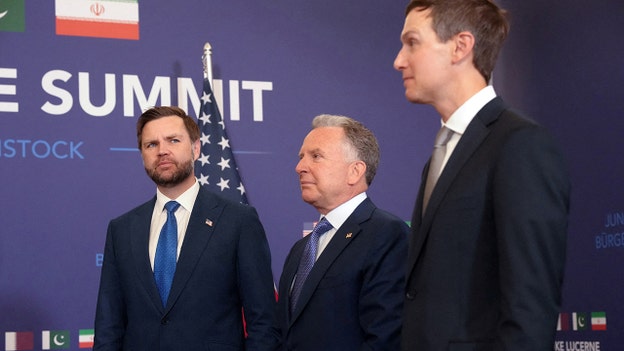
Vice President JD Vance waits, alongside U.S. President Donald Trump's special envoy Steve Witkoff and Trump's son-in-law Jared Kushner, to meet with Pakistan's Prime Minister Shehbaz Sharif for high-level talks aimed at advancing a deal to end the Middle East conflict, at the Buergenstock Resort Lake Lucerne, near Stansstad, Switzerland, June 21, 2026. (Reuters/Nathan Howard/Pool)
Senior U.S. and Iranian negotiators wrapped up initial talks in Switzerland on Monday after a first day of discussions produced a 60-day roadmap toward a broader agreement and established mechanisms addressing the Strait of Hormuz and the conflict in Lebanon.
The talks are expected to continue this week as both sides work through nuclear, sanctions and security issues, although Iranian state media reported negotiations were briefly disrupted Sunday following remarks by President Donald Trump before discussions resumed.
Mediators Qatar and Pakistan hailed what they called “encouraging progress” made during the talks as Iran and the United States agreed to create a “de-confliction cell” to address the fighting in Lebanon.
Switzerland on Monday welcomed what it described as "constructive progress" during the overnight negotiations at the Bürgenstock resort, praising the creation of a high-level committee and a roadmap aimed at reaching a final agreement within 60 days.
The Swiss Foreign Ministry said the framework would help structure the next phase of political and technical talks and reiterated its support for efforts aimed at de-escalation, stability and peace.
The Associated Press contributed to this report.
Live Coverage begins here