
Vance, Iranian officials end first round of talks in Switzerland, move to next phase
U.S. and Iranian officials held negotiations in Switzerland over Tehran's nuclear program and regional security concerns, as Iranian leaders dismissed President Donald Trump's Strait of Hormuz warning as an 'empty bluff.'
Coverage for this event has ended.
Fox News Digital's coverage of US-Iran talks continues
To continue reading Fox News Digital's coverage of the U.S.-Iran talks, click here.
US, Iran enter second day of Switzerland talks after first round yields roadmap for broader deal
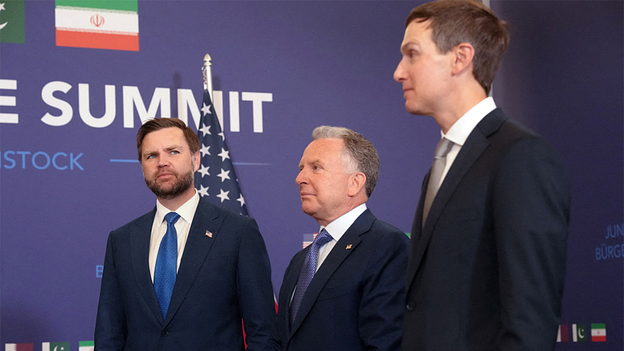
U.S. and Iranian negotiators resumed talks in Switzerland on Monday after a first day of discussions produced a 60-day roadmap toward a broader agreement and established mechanisms addressing the Strait of Hormuz and the conflict in Lebanon.
The talks are expected to continue this week as both sides work through nuclear, sanctions and security issues, although Iranian state media reported negotiations were briefly disrupted Sunday following remarks by President Donald Trump before discussions resumed.
Switzerland on Monday welcomed what it described as "constructive progress" during the overnight negotiations at the Bürgenstock resort, praising the creation of a high-level committee and a roadmap aimed at reaching a final agreement within 60 days.
The Swiss Foreign Ministry said the framework would help structure the next phase of political and technical talks and reiterated its support for efforts aimed at de-escalation, stability and peace.
Iran foreign minister says Pakistani-Qatari mediation delivered 'major progress' to end Lebanon war
Iranian Foreign Minister Abbas Araghchi said there was "major progress" in talks with the U.S. to end the war between Israel and Hezbollah in Lebanon.
"Tireless Pakistani and Qatari mediation has delivered major progress to end Lebanon War. Oil and petrochem exports are waived, blockade lifted, some frozen assets released, and major reconstruction & development plan launched for Iran," he wrote on X.
"1st real test: Lebanon deconfliction cell," he added.
US, Iran agree 60-day 'roadmap' toward final deal in diplomatic breakthrough
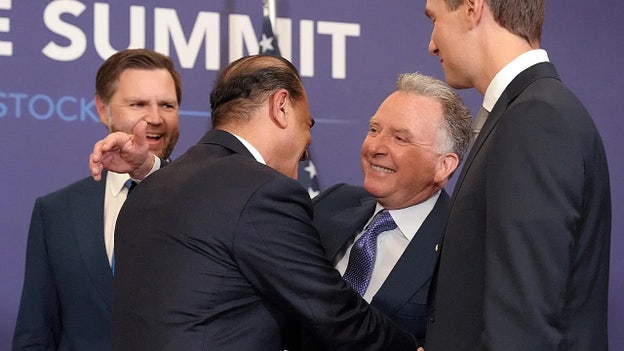
Iran and the United States agreed to a roadmap Sunday aimed at reaching a final deal within 60 days while establishing a high-level oversight committee, mediators Qatar and Pakistan announced.
“The first session of high level talks under the framework of the Islamabad Memorandum of Understanding have concluded in Burgenstock, Switzerland, with the participation of representatives from the Islamic Republic of Iran, the United States of America, and the two mediating parties, the State of Qatar and the Islamic Republic of Pakistan,” the mediators said in a statement shared on X.
“The Lake Lucerne Summit was conducted in a positive and constructive atmosphere. Encouraging progress has been made including the creation of a mechanism for further technical talks,” they said.
Qatar and Pakistan also said Tehran and Washington had agreed to establish a High Level Committee, which will provide “political oversight on the mediation.”
“Chief negotiators will report regularly to the High Level Committee and lead working groups focused on nuclear, sanctions, and a monitoring and dispute resolution group to ensure the effective implementation of the MoU, and on other matters,” they said.
The statement also said the new committee agreed on a “roadmap towards reaching a final deal within 60 days, laying the foundation for the immediate commencement of further technical talks.”
“In addition, a communication line between the parties has been formed for the period mentioned in paragraph 5 of the MoU to avoid incidents and miscommunication with the aim of safe passage for commercial vessels through the Strait of Hormuz,” the statement read.
Tehran and Washington also agreed to create a “de-confliction cell between the parties, the Lebanese Republic and facilitated by the Mediators,” to ensure adherence to the termination of military operations in Lebanon under the MoU.
“Technical talks will continue for the remainder of the week at the Burgenstock resort on all issues.”
The statement also said the mediating parties would continue to do their utmost to ensure the negotiations are conducted in a constructive atmosphere with the aim of reaching a final deal.
Pakistan and Qatar also praised the “ brotherly and friendly countries” for their continued support and valuable contribution to the ongoing negotiations.
Qatar PM posts photo of Vance, Kushner during ongoing Lake Lucerne Summit
Sheikh Mohammed bin Abdulrahman bin Jassim Al Thani, the prime minister of Qatar and minister of foreign affairs, shared an image on Sunday of Vice President JD Vance and Jared Kushner working during late night talks at the Lucerne Summit in Switzerland.
“Live from Lucerne, work continues with @VP & @jaredkushner,” Al Thani said in a post shared on X.
The U.S. delegation continued with meetings with the Iranians through the night, a diplomat had also confirmed to Fox News
Iranian oil exports rebound with 36M barrels shipped over six days
Iran has exported approximately 36 million barrels of crude oil since June 15, according to TankerTrackers.
The maritime intelligence firm also said Sunday that another 36 million barrels are currently traversing the strait.
“Iran has exported 36 million barrels of crude oil since June 15, 2026. There is roughly an equal amount still afloat in Iran,” the firm said in a post shared on X.
Given the U.S. blockade of Iranian ports, Iranian oil exports had fallen to their lowest levels.
U.S. forces lifted the blockade on June 18, as soon as the memorandum of understanding (MOU) between Washington and Tehran was announced.
Oil prices climb as US-Iran nuclear talks continue in Switzerland
Brent crude futures rose more than $1 a barrel on Monday as talks started between U.S. and Iranian officials in Switzerland, acccording to reports.
Ahead of the Lucerne Summit, oil prices had fallen to levels unseen since the war began on Feb. 28.
As the talks got underway, Brent crude futures climbed $1.09, or 1.35%, to $81.66 a barrel by 10:06 p.m. GMT, after reaching a session high of $82.30 at the start of trading.
Investors watched the negotiations for signs of progress, with uncertainty surrounding the talks helping support crude prices after last week's steep decline, Reuters reported.
Oil markets have been affected by supply uncertainty in the Middle East, the outlet said.
US-Iran talks stretch past 10 hours, negotiations expected to continue into second day
The United States and Iranian delegations continued negotiations Sunday after more than 10 hours of talks.
"Negotiations are still ongoing, and we still anticipate they will continue through the night," an official told Fox News.
Discussions at the venue were still underway as of 1:13 a.m. local time Monday (7:13 p.m. EDT Sunday).
A second day of meetings was also expected Monday at the Bürgenstock Resort on Lake Lucerne in Switzerland.
US-Iran talks in Switzerland continue overnight after ‘robust’ discussions, diplomat says
Vice President JD Vance and the U.S. delegation spent Sunday in high-level talks with Iranian officials in Switzerland, with negotiations still underway, a senior U.S. diplomat told Fox News.
"The Vice President touched down around 6 a.m. this morning, and our delegation has been engaged in constant meetings and negotiations since then," the diplomat, who was part of the talks, said.
"Contrary to rampant false reporting, the Iranians are still here, and discussions are ongoing. We anticipate continuing to work through the night," they added.
"Topics of discussion have included clarifying some of the confusing messaging from Iran on the Strait and building deconfliction mechanisms to ensure the Strait will remain fully open," they added before stating that the delegation has also worked through "deconfliction mechanisms for enforcing the ceasefire in southern Lebanon."
"We've had robust discussions on all elements of the nuclear deal," they said, while clarifying that the team plans to continue working through "each of these issues and using today's work as a starting point for ongoing technical talks going forward."
Turkey warns Israel is 'ready to sabotage' Iran-US deal negotiations
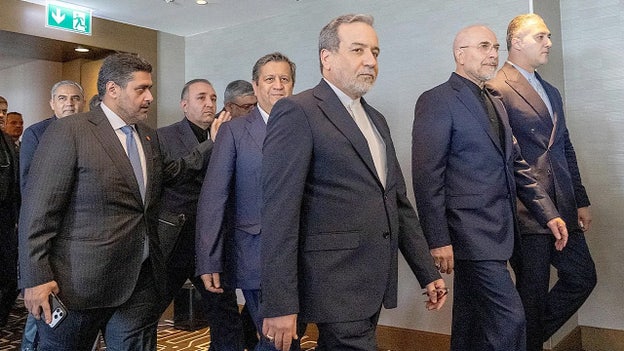
Israel could try to derail the new memorandum of understanding (MOU) between Iran and the United States and subsequent talks as negotiations continued Sunday in Switzerland, Turkish Foreign Minister Hakan Fidan warned.
"There is always an Israel waiting in the corner, ready to sabotage the process as soon as it finds the opportunity," Fidan told Turkey's Anadolu Agency in Cairo.
He also said negotiators should be prepared for delays as they work through the details of the agreement.
"These are important issues. It may not be easy to immediately resolve their technical details. We may see deadlocks from time to time. We need to be prepared for that," he said.
Fidan also said he discussed the issue by phone with U.S. special envoy Steve Witkoff, Anadolu Agency reported.
Israel will not withdraw from southern Lebanon security zone, Defense Minister says
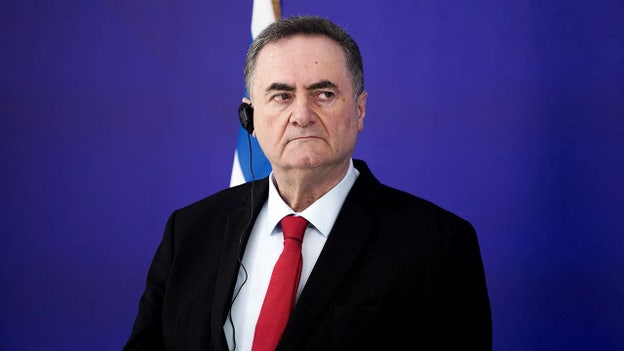
Israeli Defense Minister Israel Katz said Sunday that Israel has no plans to pull back from its security zone in southern Lebanon, underscoring ongoing tensions along the border.
"Israel has no intention of withdrawing from the Beaufort, which is an integral part of the security zone in Lebanon and essential for the defense of the Galilee communities and IDF forces," Katz said in a post on X.
"As Prime Minister Netanyahu and I have clarified, Israel will not withdraw from the security zone in Lebanon," he added.
In May, the Israel Defense Forces (IDF) captured the strategic Beaufort Ridge and the historic Beaufort Castle in the area during a major tactical operation to degrade Hezbollah.
Trump plans to seize Strait of Hormuz by force if Iran diplomacy fails, warns Graham
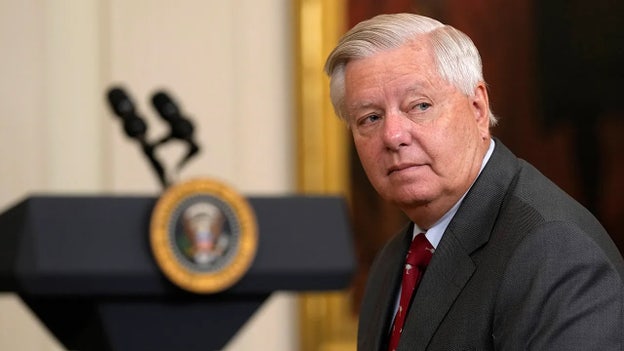
Sen. Lindsey Graham, R-S.C., said Sunday that Trump plans to take control of the Strait of Hormuz and impose tolls if diplomatic talks with Tehran fail.
“Let's try a diplomatic solution. I think it's going to fail,” he said during an interview on CBS "Face the Nation with Margaret Brennan," before asking, "What happens next?"
“I spent four-and-a-half hours with President Trump on Friday. Here's what I think will happen next,” Graham explained.
“If this deal fails, President Trump is going to take over the Strait of Hormuz by force," he warned.
“The United States will control the Strait of Hormuz. We'll charge a fee for all those who go through to pay for the operation and we're going to expand the Abraham Accords in calendar year 2026,” Graham added.
Graham's remarks came as Vice President JD Vance, Steve Witkoff and Jared Kushner met with the Iranian delegation in Switzerland for a first round of talks.
US dismisses clip appearing to show Qatari PM walking past Vance without greeting him
A U.S. official dismissed reports Sunday that Vice President JD Vance was snubbed by Qatari Prime Minister Mohammed bin Abdulrahman bin Jassim Al Thani at the Lake Lucerne Summit.
"This is complete nonsense," the official told Fox News of the clip, which was said to show the Qatari leader appearing to walk past Vance without greeting him ahead of public remarks.
"The U.S. delegation had just spent hours with the Qataris, and there was no need to re-greet someone after having just spent hours with him," the official clarified.
"The decision to give statements together before the meeting was done impromptu, which is why it wasn't a staged greeting," the official said.
Vance attended the Lake Lucerne Summit alongside Special Envoy Steve Witkoff and former White House adviser Jared Kushner for negotiations with Tehran.
The talks with Iran were mediated by Pakistan and attended by Qatari officials.
US-Iran talks stretch late into day in Switzerland, Hormuz concerns surface, diplomat says
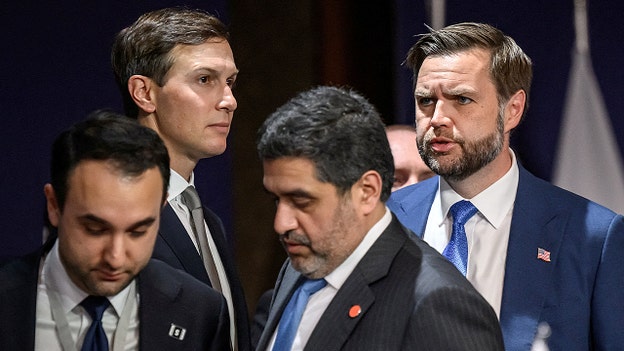
U.S. and Iranian officials were locked in talks in Switzerland on Sunday as both sides worked to address Iran’s nuclear program and regional security concerns, according to a U.S. diplomat involved in the discussions.
The diplomat told Fox News Chief Foreign Correspondent Trey Yingst that the Iranians were still in Switzerland and that talks were continuing.
The diplomat also confirmed that negotiations have continued in earnest throughout the day with some of the discussion focused on clarifying the confusing messaging on the Strait of Hormuz to ensure it will remain open.
The diploma also said that robust discussions on all elements of the nuclear deal were ongoing.
Vice President JD Vance, Steve Witkoff and Jared Kushner had met with Iranian officials on Sunday amid a 60-day effort to determine the future of Iran’s nuclear program and other key issues.
Trump slams Italy, Meloni over Iran stance after first round of Swiss talks
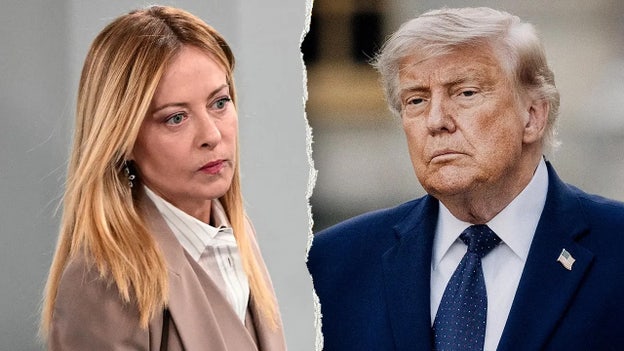
President Donald Trump on Sunday criticized Italy and Prime Minister Giorgia Meloni over their approach to Iran, accusing the NATO ally of failing to help confront Tehran's nuclear ambitions.
His remarks came after Tehran and Washington sat down for talks in Bürgenstock, Switzerland.
“After spending trillions of dollars on NATO, Italy and its prime minister wouldn’t even think of becoming involved with the Islamic Republic of Iran and their very serious nuclear threat,” Trump said in a post shared on Truth Social.
“For decades, we defend them but, when tested, they are not there to defend us and the rest of the world. Not good!” he added.
The public rift between Trump and Meloni has simmered for months.
Tensions escalated on June 20 after Trump claimed during a phone interview that Meloni had repeatedly sought a photograph with him at the G7 summit and that he agreed only out of pity.
The friction between the leaders had intensified in April when Trump criticized Meloni for siding with Pope Leo XIV’s condemnation of the U.S. conflict with Iran, accusing her of lacking courage.
Israeli ambassador warns Iran's grip on Lebanon is a 'warning sign' for Middle East peace
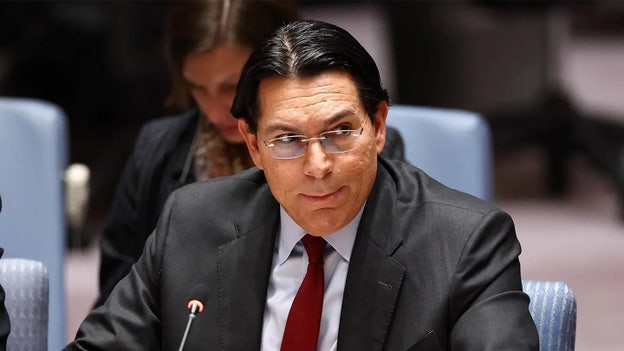
Israel's ambassador to the United Nations warned Sunday that Iran's continued efforts to exert influence in Lebanon through Hezbollah are a "warning sign" for broader diplomatic efforts in the Middle East, vowing that Israel will not remain "sitting ducks" in the face of attacks from the Iran-backed terror group.
"It shows us that Iran, they actually still have interest in the region, they still want to have control over Lebanon and to pose a threat against Israel," Danny Danon told "Fox News Sunday."
Danon said Iran's continued involvement in Lebanon raises questions about Tehran's intentions as diplomatic efforts continue, arguing that the regime is seeking to maintain influence through proxies despite ongoing negotiations aimed at reducing tensions in the region.
"We are continuing to talk with the Lebanese government. And, at the same time, if we will be attacked by Hezbollah, the proxy of Iran, we will have to retaliate. We will not be like sitting ducks waiting for Hezbollah to shoot our citizens, our residents. We will defend ourselves," he said.
Danon expressed hope that the Lebanese government will be courageous enough to take action against the Iranian-backed proxy group, and he accused Iran of trying to "sabotage" ongoing Israel-Lebanon negotiations.
This is an excerpt from a report by Fox News' Taylor Penley.
Hezbollah accuses Israel of deception, threatens response to any ceasefire violation
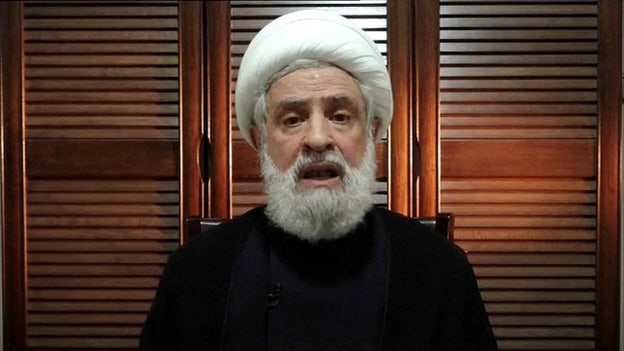
Hezbollah chief Naim Qassem demanded on Sunday that Israel withdraw from Lebanon, warning the group would respond to any ceasefire violation, according to reports.
Qassem also referred to Israel as the "aggressor" and said that there would be "no safe zone" for IDF soldiers in southern Lebanon, according to The Jerusalem Post.
He accused Israel of deceiving negotiators, saying the country "did not give any concessions to Lebanon in the past months and only sought deception, intensified attacks, and dictated its demands."
His comments came as Israel signaled it has no plans to pull back from the area.
Prime Minister Benjamin Netanyahu said the military would maintain a "security zone" in southern Lebanon for "as long as necessary."
Israeli Defense Minister Israel Katz also said on Sunday that Israeli troops would continue operating in Lebanon to remove threats without restrictions.
Hezbollah had not launched attacks into Israeli territory on Sunday.
It has continued targeting Israeli forces operating in southern Lebanon, the IDF said.
Strait of Hormuz traffic drops sharply after Iran closure threats, says maritime firm
Commercial shipping traffic through the Strait of Hormuz fell significantly Sunday following Iran's threat to close the strategic waterway, according to maritime intelligence firm Windward.
Iran’s Islamic Revolutionary Guard Corps (IRGC) Navy had announced on Saturday that it had closed the Strait of Hormuz to all maritime traffic, warning all vessels to stay away from the waterway.
“Iran's re-closure of Hormuz is already measurable in the data,” Windward said in a post shared on X.
As of Sunday, the firm noted 12 vessel transits, down from more than 21 on June 20.
“Neutral and European commercial tonnage: absent. Five of eight inbound vessels: dark,” Windward added.
“The MOU-driven recovery that began June 18 has stalled within 24 hours of the announcement,” it said.
The current traffic profile, it said, showed “dark, sanctioned, Iranian-linked tankers.”
Iran mocks Trump's Hormuz threat, says US can't control waterway
Iran’s National Security and Foreign Policy Commission spokesperson on Sunday dismissed President Donald Trump’s threat to impose tolls in the Strait of Hormuz, saying his claims of taking control of the waterway were “empty bluffs.”
“Trump is complaining about the blockade of the Strait of Hormuz and has threatened that he might take control of the strait and become its guardian angel!” Ebrahim Rezaei said in a post shared on X.
"Only a fool could make such utterly empty claims, he added before stating that the “shelf life of these bluffs has expired.”
“If you had the guts, you would have seized control of the Strait of Hormuz (even for a moment) during over a hundred days of war — you wanted to, but you couldn't.”
Iran’s Islamic Revolutionary Guard Corps Navy had announced Saturday that it was closing the strait and warned ships to stay clear of the critical shipping lane.
Trump said in a Truth Social post Saturday that the United States could impose tolls if negotiations in Switzerland fail to produce a lasting agreement before the 60-day ceasefire expires.
Netanyahu says preventing nuclear Iran is 'sacred mission' during memorial ceremony for brother
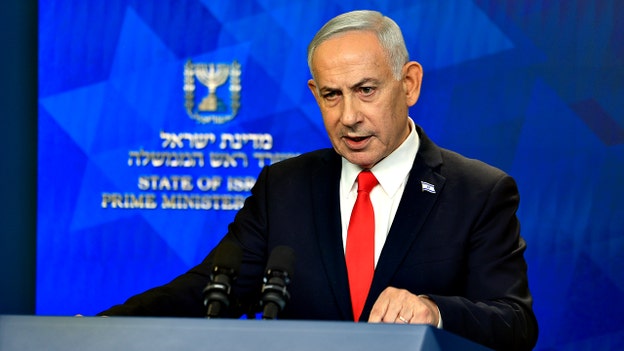
Israeli Prime Minister Benjamin Netanyahu declared that stopping Iran’s nuclear program is a “sacred mission” on Sunday during a memorial ceremony for his brother, who died 50 years ago.
Netanyahu made the remarks while honoring his brother, Yoni Netanyahu, who died during Operation Thunderbolt, in which the IDF rescued hundreds of travelers after Palestinian terrorists hijacked an Air France flight from Tel Aviv headed to Paris, diverting it to Uganda in 1976.
“I pledge here at your grave, Yoni, and I pledge to you, the citizens of Israel: The State of Israel will not be a passing episode in the history of our people,” the prime minister said. “We stand firm in defense of our vital interests.”
“And regarding Iran: Whatever political developments may occur, I will not allow Iran to acquire nuclear weapons,” Netanyahu said. “As long as I am Prime Minister of Israel, it will not happen. To this sacred mission, I have dedicated my life since your death, Yoni.”
Vice President Vance and White House envoys Steve Witkoff and Jared Kushner, President Donald Trump's son-in-law, are engaged in talks with Iranian officials in Switzerland to push for a lasting peace agreement following a recently signed ceasefire.
Fox News’ Yonat Friling contributed to this report.
Energy Sec Wright details level of traffic flowing through Strait of Hormuz
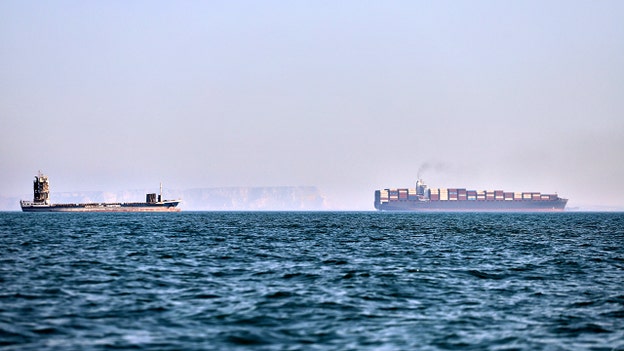
Ship traffic through the Strait of Hormuz has returned to similar levels seen before the war with Iran broke out, U.S. Energy Secretary Chris Wright said Sunday.
Wright made the remarks during an appearance on “Fox News Sunday,” saying 67 ships traversed the vital waterway on Saturday, up from 55 ships the day before.
“In terms of oil and oil products, about equal to where we were before the conflict,” Wright said, adding that “traffic is flowing through the Straits quite nicely” thanks to the U.S. military presence in the region.
President Donald Trump told Fox News’ chief foreign correspondent Trey Yingst earlier Sunday that 19 million barrels of oil left through the Strait of Hormuz on Saturday.
Wright also said the U.S. has opened a separate channel to the south of the strait, where it has been escorting ships, since Iran has not yet “demined” a central shipping channel through the Strait of Hormuz.
“We've been escorting ships through that for several weeks now, and at very high levels today,” he said.
The status of the waterway has come into question after Tehran said Saturday it closed the Strait of Hormuz again over Israel’s ongoing military campaign in Lebanon. The U.S. has disputed Iran’s announcement.
The Associated Press contributed to this report.
Trump warns Iran to stop ‘highly paid proxies’ in Lebanon or ‘we’ll hit Iran very hard again’
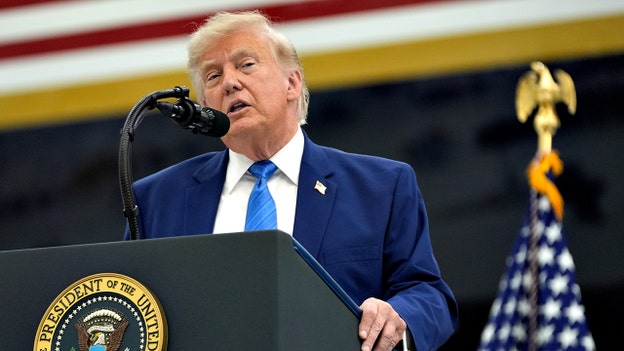
President Donald Trump on Sunday threatened to strike Iran “very hard again” if its proxies in Lebanon, where the terror organization Hezbollah operates, continue to cause “trouble.”
“Iran must immediately stop their highly paid PROXIES in Lebanon from causing trouble,” Trump posted on his Truth Social platform. “If they don’t, we’ll hit Iran very hard again, just like we did last week, only harder!!!”
Israel has accused Hezbollah repeatedly violating a ceasefire agreement that went into effect Friday.
A senior IDF official told Fox News on Saturday that Hezbollah launched more than 50 rockets at Israeli troops operating in southern Lebanon overnight, accusing the terrorist proxy of killing five Israel Defense Force soldiers in the past 48 hours.
Trump earlier Sunday told Fox News’ chief foreign correspondent Trey Yingst that he was “disappointed Israel can't put Hezbollah away."
"They can't do anything without knocking buildings down,” Trump said.
"I'm close to giving it over to Syria," the president said of the fight against Hezbollah.
Trump tells Fox News that if Iran closes the Strait of Hormuz, ‘I’ll blow the s--- out of them’
President Donald Trump on Sunday told Fox News that he delivered a stark warning to Iran over the Strait of Hormuz, threatening to “blow the s--- out of them” should Tehran close the vital waterway.
Trump spoke with Fox News’ chief foreign correspondent Trey Yingst, saying he issued the warning directly to the Iranians leadership should the Islamic Revolutionary Guard Corps (IRGC) close the Strait of Hormuz.
"You close it and you won't have a country,” Trump said. "You won't even make it back to your f------ country."
Trump said 19 million barrels of oil left through the Strait of Hormuz on Saturday, adding that the U.S. could become the "Guardian Angel" of the waterway and take 20% of the oil.
Trump reiterated his threat to potentially collect tolls for vessels traversing the strait should Iran fail to reach an agreement.
"If they don't make a deal, we'll collect tolls,” the president said.
Trump also warned of greater consequences.
"We may take over the Strait, if we have to,” he said. “I'll blow the s--- out of them."
When told about Iranian President Masoud Pezeshkian remarks about Iran maintaining its right to enrich uranium, Trump didn’t mince his words.
"He better watch his mouth,” Trump said of Pezeshkian. “He better shape up or we'll take over the rest of the country."
Trump said that the 60-day ceasefire and negotiation framework established under the Memorandum of Understanding he signed last week “is just an option,” and “I can do whatever I want after that option."
Vance says US seeks to 'turn over a new leaf' with Iran as historic talks begin in Switzerland
Vice President JD Vance said Sunday that the United States is seeking to "turn over a new leaf" with Iran as senior officials from both countries gathered for what he described as a historic round of diplomacy aimed at reshaping relations across the Middle East.
Speaking at the opening of the Lake Lucerne Summit in Switzerland, Vance credited President Donald Trump with creating the conditions for the talks and said the administration hopes to build on recent developments by pursuing a long-term agreement with Tehran.
"The question before us now is how much more can we accomplish together?" Vance said. "Can we turn over a new leaf? Can we change relations in the Middle East permanently?"
The summit brings together representatives from the United States, Iran, and mediating nations Qatar and Pakistan in what Vance characterized as an unprecedented high-level engagement between Washington and Tehran.
Vance said the administration's goal is to transform a region long marked by tensions between Iran and its Gulf neighbors into one focused on "peace and prosperity for everyone." He argued that recent events have already produced key outcomes sought by the U.S., including keeping the Strait of Hormuz open and ending Iran's nuclear weapons ambitions.
"What the president has asked us to do is turn over a new leaf to transform our relationship with the people of Iran," Vance said.
The vice president said the U.S. is extending "an outstretched hand" to Iran, but conditioned any broader compromise on Tehran abandoning what he called its role as a source of regional instability and giving up nuclear weapons ambitions for the long term.
"If your leadership is willing to give up being a driver of regional instability, if they are willing to give up nuclear weapons ambitions for the long term, then the United States is willing to fundamentally transform our relationship with that country," Vance said.
Vance told attendees that negotiators had already made "great progress" in the first hours of discussions and expressed confidence that more progress could be made as talks continue.
Israeli President Herzog says peace with Lebanon possible — if Hezbollah and Iran get out of the way
Israeli President Isaac Herzog said Sunday that Israel remains open to a diplomatic path toward peace with Lebanon, but warned that any lasting agreement will require curbing Iran’s influence and addressing the threat posed by Hezbollah.
Appearing on "FOX & Friends First," Herzog argued that Tehran continues to wield outsized influence in Lebanon through Hezbollah, the Iranian-backed terror group that has repeatedly clashed with Israel along the northern border.
"How the hell do you want to get to peace between Israel and Lebanon when you have Hezbollah hijacking Lebanon?" Herzog said.
His comments come as Israeli and Lebanese officials are expected to resume talks in Washington this week aimed at advancing a potential peace agreement between the neighboring countries.
While expressing optimism about the possibility of improved relations, Herzog said Iran’s involvement remains a major obstacle. He argued that Tehran is undermining Lebanese leaders who seek stability and closer ties with Israel.
"Iran should not be involved at all in the crisis in Lebanon," Herzog said, adding that the international community must make clear that Tehran cannot continue to exert influence through Hezbollah.
Despite the ongoing conflict, Herzog painted an optimistic picture of what peace could look like in the region.
"We want peace," Herzog said. "My dream ... is to take a car and drive all the way to Beirut."
He argued that achieving that vision will require confronting Hezbollah, which he accused of repeatedly violating ceasefire arrangements and preventing meaningful progress toward peace.
"Somebody needs to do the work," Herzog said, arguing that Hezbollah must be disarmed or stripped of its ability to derail diplomatic efforts before a lasting peace can take hold.
Israeli defense minister says troops won’t withdraw from security zone in Lebanon amid ceasefire
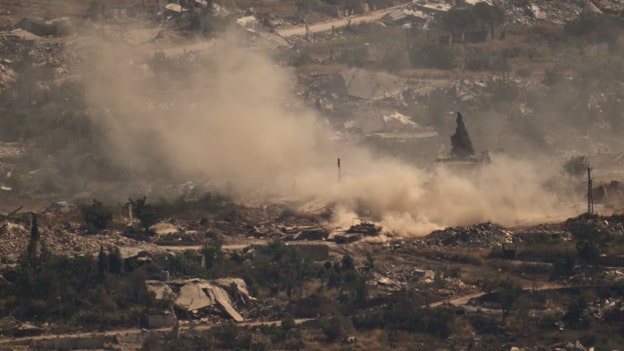
Israeli soldiers will remain within the security zone in Lebanon during a U.S.-backed ceasefire between Israel and Iran-backed terror group Hezbollah, Israeli Defense Minister Israel Katz said Sunday.
"There has never been, and there is currently no restriction on IDF soldiers in Lebanon acting to remove threats,” Katz said, adding that the ceasefire agreement “leaves the IDF in all of its positions within the security zone that protects the northern communities.”
“As Prime Minister Benjamin Netanyahu and I have made clear: Israel will not withdraw from the security zone in Lebanon,” Katz said.
Israel and Hezbollah reached a ceasefire agreement that went into effect on Friday, though Israel has claimed the terror group has repeatedly violated the ceasefire in the ensuing days.
Katz said in his statement that the IDF used “significant force” to respond to a Hezbollah attack on its forces, eliminating “a very large number of Hezbollah terrorists” and striking “numerous terrorist infrastructures.”
A senior IDF official told Fox News on Saturday that Hezbollah launched more than 50 rockets at Israeli troops operating in southern Lebanon overnight, calling the attacks "continuous and repeated violations" of the ceasefire agreement reached.
The official also said five IDF soldiers have been killed over the past 48 hours amid renewed clashes with Hezbollah.
Fox News Digital's Yonat Friling and Brittany Miller contributed to this report.
Former CIA station chief warns Hezbollah remains a threat to Israel, US interests
Former CIA station chief Dan Hoffman warned Saturday that Hezbollah continues to pose a significant threat to both Israel and U.S. interests in the Middle East despite ongoing negotiations involving Iran.
Speaking on "Life, Liberty & Levin," Hoffman said Hezbollah remains one of Iran's primary tools for projecting power throughout the region."Iran has used Hezbollah, the Houthis, their proxy militants in Iraq to project power in the region and beyond," Hoffman said.
Hoffman argued that Hezbollah's influence in Lebanon continues to create security risks for Israel and for American personnel stationed throughout the Middle East.
"That's what causes Israel to be at great risk, but not just Israel, it's U.S. installations and our people in the region and beyond," Hoffman said.
The former CIA official also warned that any agreement with Iran should not leave Hezbollah in a position to rebuild its military capabilities.
"The last thing we want is for Hezbollah to emerge from any deal that we have with Iran in a position to rearm and reconstitute," Hoffman said.
The comments come as Israel and Hezbollah exchange new attacks despite a ceasefire agreement that is tied to broader negotiations involving the United States and Iran.
JD Vance arrives in Switzerland to join Kushner and Witkoff for new round of Iran negotiations
Vice President JD Vance landed in Switzerland early Sunday to help launch a new round of negotiations with Iran, as the Trump administration pushes for a lasting agreement following a recently signed ceasefire.
Vance arrived shortly before 6 a.m. local time and is expected to join White House envoys Steve Witkoff and Jared Kushner, President Donald Trump's son-in-law, for the talks.
Swiss officials confirmed Sunday that the Iranian delegation had arrived and was traveling to Bürgenstock, where the discussions are expected to take place.
The talks were initially scheduled for Friday, but Switzerland's foreign ministry announced that planned negotiations involving the U.S., Iran, Qatar and Pakistan had been postponed.
Iranian Foreign Minister Abbas Araghchi is also expected to participate in the talks, according to Axios.
The negotiations come days after Trump signed a memorandum of understanding (MOU) with Iran following the G7 summit at the Palace of Versailles. The agreement established a 60-day ceasefire and outlined a framework for broader negotiations between the two countries aimed at ending the conflict.
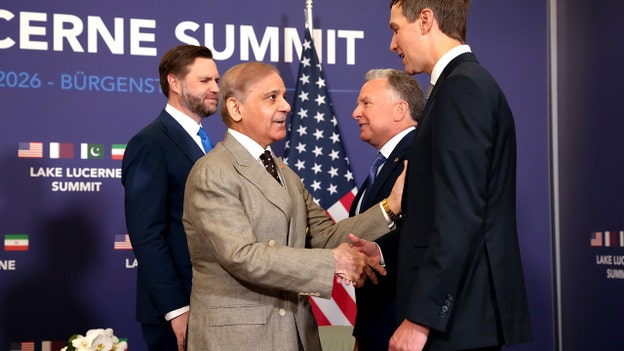
Vice President JD Vance, left, looks on with U.S. President Donald Trump's special envoy Steve Witkoff, second from right, while Pakistan's Prime Minister Shehbaz Sharif, center, shakes hands with Trump's son-in-law Jared Kushner, as they high-level talks aimed at advancing a deal to end the Middle East conflict, at the Bürgenstock Resort in Obbuergen, Switzerland, Sunday, June 21, 2026. (Nathan Howard/Pool Photo via AP)
In a Truth Social post Saturday, Trump warned that the United States could impose tolls in the Strait of Hormuz if negotiations fail to produce a lasting agreement before the ceasefire expires.
Before departing from Joint Base Andrews in Maryland, Vance said a successful trip would involve establishing the framework for future negotiations.
"I think number one, just getting things set up in the right way and getting the actual structure of the negotiations in place," he said.
"The way that we're going to do this, we're going to have a principal level of political leadership at the top," he continued. "And then obviously the technical team is going to stay on the ground."
Vance said he expected to remain in Switzerland for a day or two. The vice president also previewed some of the issues expected to be discussed during the negotiations.
"I think we're hopefully making progress on the nuclear issue, make progress on the Lebanon ceasefire issue," he said.
This is an excerpt from an article by Fox News Digital’s Michael Sinkewicz.
Live Coverage begins here