






























Cardiologist reveals biggest risk factors for strokes in young adults
Dr. Jason A. Gluck, vice chair of the Heart & Vascular Institute and system chief of cardiology at AtlantiCare in New Jersey, discusses a recent study that found stroke incidence has more than doubled among young adults.
A buildup of artery-clogging plaque may begin much earlier than many people realize, new research has found.
About one in 13 adults ages 18 to 29 already had silent atherosclerosis, the hardening of the arteries from plaque, despite having no known cardiovascular disease, while more than half of all healthy adults in the study showed signs of plaque somewhere in their arteries, according to a major new international study.
Researchers from Denmark and Spain used advanced imaging to examine more than 16,800 adults ages 18 to 70 with no known cardiovascular disease.
They found plaque in 57.1% of participants, with prevalence increasing steadily with age, from about one in 13 adults under 30 to roughly nine in 10 adults ages 60 to 70, according to the research published in The New England Journal of Medicine in August.
EVERYDAY HABIT LINKED TO DRAMATICALLY LOWER RISK OF DYING FROM HEART DISEASE
Atherosclerosis occurs when fatty deposits, cholesterol and other substances build up inside arteries, according to experts. The process often develops silently over many years before causing a heart attack or stroke.

A new study found signs of silent artery plaque in some healthy young adults with no known cardiovascular disease. (iStock)
"For decades, we have estimated cardiovascular risk using factors such as age, blood pressure and cholesterol," Dr. Borja Ibáñez, a cardiologist and scientific director of Spain's National Center for Cardiovascular Research (CNIC), said in a statement.
"This study shows that we can now go one step further and detect the disease directly before it causes a heart attack or stroke."
COMMON CHOLESTEROL DRUG LINKED TO LOWER DEMENTIA RISK WHEN STARTED EARLY
The new findings come from the first phase of the ongoing international REACT study, which is mapping how common silent artery plaque is across adulthood. In the next phase, researchers will test whether earlier detection can improve heart disease prevention.

Researchers are studying whether earlier detection of artery plaque could improve heart disease prevention. (iStock)
"Until now, preventive decisions have been based on an estimate of risk, but we did not know whether the disease was already present," Henning Bundgaard, professor of cardiology at Rigshospitalet in Copenhagen, said.
"REACT shows that atherosclerosis can be detected decades before clinical manifestations appear and provides the most comprehensive atlas of the evolution of the disease across adult life."
MAN GOES TO DOCTOR TO PROVE HE’S ‘IN PERFECT SHAPE’; TEST REVEALS SHOCKING DIAGNOSIS
The study also revealed that men tended to develop plaque five to 10 years earlier than women, while women experienced their steepest increase between ages 40 and 60.

Knowing your blood pressure, cholesterol and other heart health risk factors can help reduce the risk of cardiovascular disease, experts say. (iStock)
Researchers also found that commonly used cardiovascular risk scores only identified a small proportion of people who already had silent atherosclerosis, suggesting some cases may go undetected using traditional risk assessments alone.
CLICK HERE FOR MORE LIFESTYLE NEWS
While the researchers believe portable ultrasound could eventually help identify hidden plaque earlier, they said further clinical trials are needed.
The findings should encourage people to take heart health seriously but not to panic, experts note.
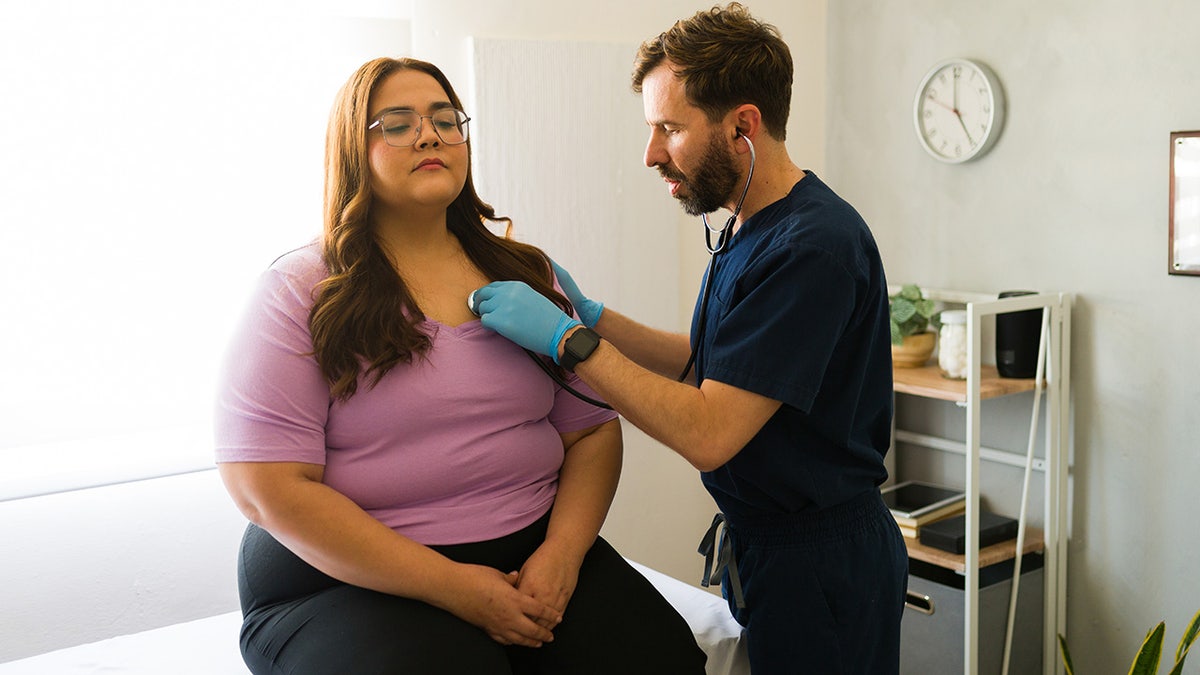
Researchers say heart disease prevention should begin early, even before symptoms appear. (iStock)
CLICK HERE TO SIGN UP FOR OUR LIFESTYLE NEWSLETTER
"Finding plaque doesn't mean someone is about to have a heart attack, but finding it gives us an opportunity to address a patient's risk factors," Dr. Sirisha Vadali, a cardiologist at HonorHealth Women’s Heart Health in Arizona who was not involved in the research, told Fox News Digital.
"We shouldn't wait for symptoms to start paying attention to heart health. Feeling healthy doesn't necessarily mean your arteries are free of plaque."
TEST YOURSELF WITH OUR LATEST LIFESTYLE QUIZ
She cautioned that the study alone does not establish that screening everyone will directly prevent heart attacks or strokes.

Healthy lifestyle habits, including avoiding tobacco, staying active and eating a nutritious diet, can help protect heart health, experts say. (iStock)
Vadali stressed that the findings do not mean everyone under 30 should undergo artery screening, saying decisions about additional testing should be based on a person's individual risk factors.
She recommended avoiding tobacco, staying physically active and eating a diet rich in vegetables, fruits, beans, whole grains, nuts and fish while limiting saturated fat and excess sodium to help protect heart health.
CLICK HERE TO DOWNLOAD THE FOX NEWS APP
Fox News Digital has reached out to the researchers for comment.
