


























Pancreatic cancer vaccine shows promise in first human trial
Family medicine physician Dr. Jessica Gray details a new experimental pancreatic cancer vaccine showing promise in its first human trial. The vaccine, targeting the KRAS mutation, generated an immune response in 90% of high-risk patients. Dr. Gray discusses the 5-7 year timeline for public availability and emphasizes why pancreatic cancer is so deadly, highlighting advances in cancer treatments.
Over-the-counter anti-aging supplements taken by millions of Americans to boost energy and lessen the side effects of chemotherapy may actually impair cancer treatments, a new study suggests.
Researchers at the Case Western Reserve University School of Medicine found that popular vitamin B3 derivatives – including nicotinamide mononucleotide (NMN), nicotinamide riboside (NR) and nicotinamide (NAM) – could help cancer cells survive chemotherapy.
Those compounds are used by the body to produce NAD+, a molecule that helps cells generate energy and repair damage.
IV THERAPY AND SUPPLEMENTS UNDER SCRUTINY AS EXPERTS WARN OF POTENTIAL SIDE EFFECTS
The study, published in the journal Cancer Letters, examined how these supplements interact with treatments for pancreatic cancer, a particularly deadly form of the disease with a 13% five-year survival rate, according to the American Cancer Society.
While boosting NAD+ levels through dietary supplements can offer health benefits to non-cancerous cells, pancreatic cancer cells may exploit the extra resources to repair damage caused by chemotherapy and avoid cell death, the researchers found.

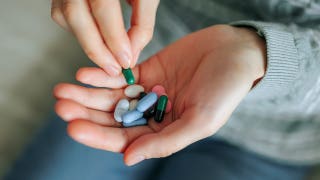
Over-the-counter vitamin B3 derivatives, specifically NMN, NR and NAM, could help pancreatic cancer cells survive chemotherapy treatment, the study suggests. (iStock)
In both laboratory settings and animal models, the supplements shielded cancer cells against three common chemotherapy drugs: oxaliplatin, 5-fluorouracil and gemcitabine. As a result, tumors survived chemotherapy doses that typically would prove fatal to them.
"Our findings highlight a potentially concerning role for NAD+-boosting supplements in the context of active cancer, especially when used in conjunction with chemotherapy," said study lead Jordan Winter, a professor at Case Western Reserve School of Medicine and co-leader of the developmental therapeutics program at the Case Comprehensive Cancer Center, in the press release.
CLICK HERE FOR MORE HEALTH STORIES
"Our discovery is a call to action for the medical community."
The study notes that these B3 derivatives are not considered dangerous for healthy individuals using them for general wellness. However, the risk becomes significant for patients currently undergoing active cancer therapy.
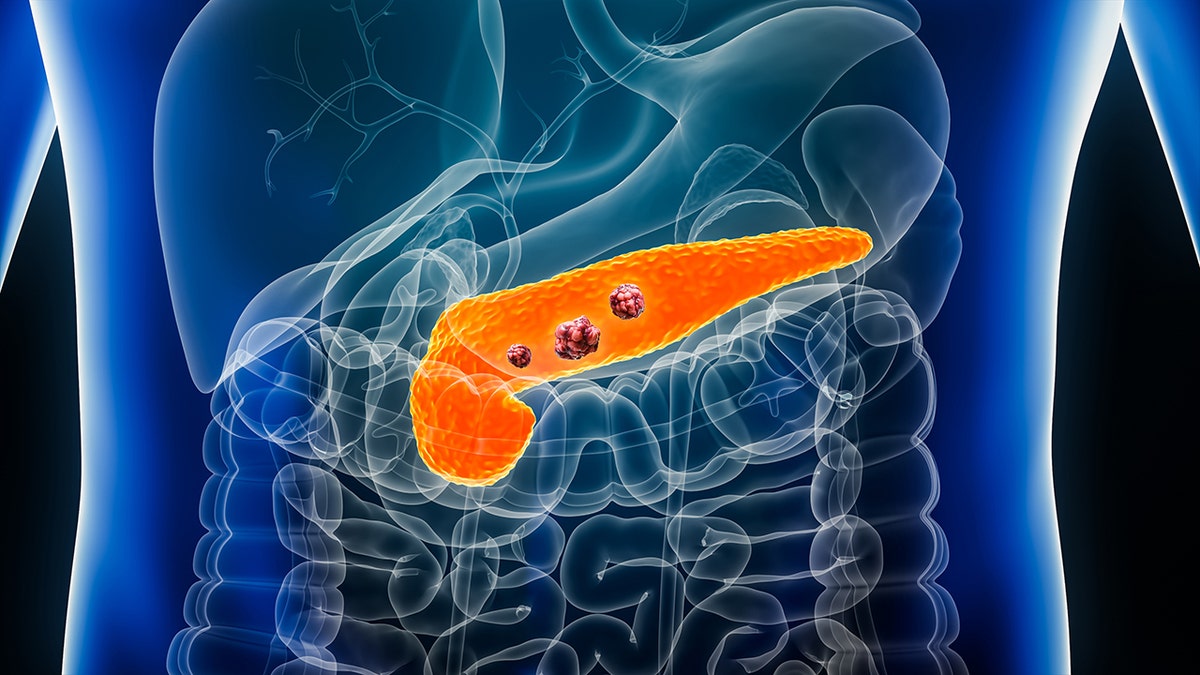
Boosting NAD+ levels provides extra energy to cancer cells, allowing them to repair DNA damage caused by chemotherapy. (iStock)
"This research is a critical reminder that ‘natural’ doesn’t always mean safe, especially in the complex biology of cancer treatment," Winter added.
In light of the findings, the research team recommends that oncology teams begin routinely screening patients for supplement use. They also called for more studies into how NAD+ precursors interact with cancer therapies.
CLICK HERE TO SIGN UP FOR OUR HEALTH NEWSLETTER
Winter urged patients currently in treatment to consult their oncologists before taking any over-the-counter supplements.
Because the study relied on laboratory cell cultures and animal models, the findings may not directly translate to how human patients process these supplements during treatment, the team noted.
There is extensive preclinical evidence indicating that NR does not promote cancer in animal models and, in several contexts, may improve cancer related outcomes and reduce treatment toxicity, according to Shao. (iStock)
Additionally, the research focused exclusively on pancreatic cancer, meaning the supplements may not have the same effect on chemotherapy for other cancer types or with different drug combinations.
The study also only evaluated short-term cellular responses under controlled laboratory conditions and not human clinical trials, so it remains unclear how these supplements could affect cancer patients over time.
TEST YOURSELF WITH OUR LATEST LIFESTYLE QUIZ
Dr. Andrew Shao, SVP of global regulatory and scientific Affairs at Niagen Bioscience, noted that the Case Western Reserve University research was conducted in mice and should not be generalized to all NAD+ precursors or to healthy consumers.
The findings indicate these supplements are not inherently dangerous for healthy individuals using them for general anti-aging or wellness, but pose serious risks when taken during active chemotherapy. (iStock)
"The press release introduces NAD+ precursors broadly, implying that the study findings can be applied to all NAD+ precursors mentioned, which is a sweeping generalization of very nuanced research," Shao told Fox News Digital.
He added that the framing "omits substantial peer-reviewed literature showing that NAD+ precursors, most notably nicotinamide riboside, have shown beneficial effects across multiple preclinical settings, including cancer models."
CLICK HERE TO DOWNLOAD THE FOX NEWS APP
Shao pointed to a 2025 study involving pancreatic cancer, which found that NR restored a mitochondrial protein linked to cancer development and enhanced the tumor-killing effect of gemcitabine in mice.
"The appropriate takeaway is that isolated findings from a single preclinical cancer model warrant consideration in the context of the broader evidence base, not sweeping conclusions about the safety of NAD+ precursors in the general population," he said. "As with any product used by individuals with active cancer or undergoing treatment, patients should always consult their doctor or healthcare team before use."
