




























'Food Babe': Until you experience 'true health,' you 'cannot determine your calling in life'
'Food Babe' Vani Hari shares her personal story about her health growing up and why she strives to help 'Make America Healthy Again' on 'My View with Lara Trump.'
Waiting for bananas to ripen can be frustrating, especially when they stay green for days. But they may still be worth eating.
Food experts say there are several reasons some bananas never ripen as expected, adding greener fruit may offer different benefits than riper fruits.
"If bananas are harvested immature, then they won't ripen properly to full flavor and/or texture," Jonathan Crane, a retired tropical fruit crops specialist at the University of Florida's Tropical Research and Education Center, told Fox News Digital.
TWO OF THESE FRUITS A DAY CAN BOOST GUT HEALTH, FIGHT CANCER RISK, DOCTOR SAYS
Shoppers can sometimes spot less mature bananas by their shape, according to Crane.
"Bananas that have a sharp angle to the fruit are less mature or immature compared to mature bananas, which have a smoothed-out or rounded shape," he said.

Some bananas stay green and never ripen normally, but experts say they can still be good to eat and may offer unique health benefits. (iStock)
Storage conditions can also interfere with ripening.
Bananas exposed to temperatures that are too cold during storage or transportation can develop what is known as "chilling injury," Crane noted.
CLICK HERE TO SIGN UP FOR OUR LIFESTYLE NEWSLETTER
The condition can disrupt the fruit's normal ripening process, leaving bananas green or greenish-yellow even after extended periods of time.
Bananas are best stored between 56 and 59 degrees Fahrenheit, Crane said. Temperatures below that range can damage the fruit and interfere with the ripening process.
"If you're watching blood sugar or want more resistant starch, a greener banana might suit you."
However, consumers frustrated by stubbornly green bananas may still find the fruit worth eating.
CLICK HERE FOR MORE LIFESTYLE STORIES
"Both stages offer potassium, vitamin B6, vitamin C and other nutrients," South Carolina–based registered dietitian Lauren Manaker told Fox News Digital. "The better pick depends on you."
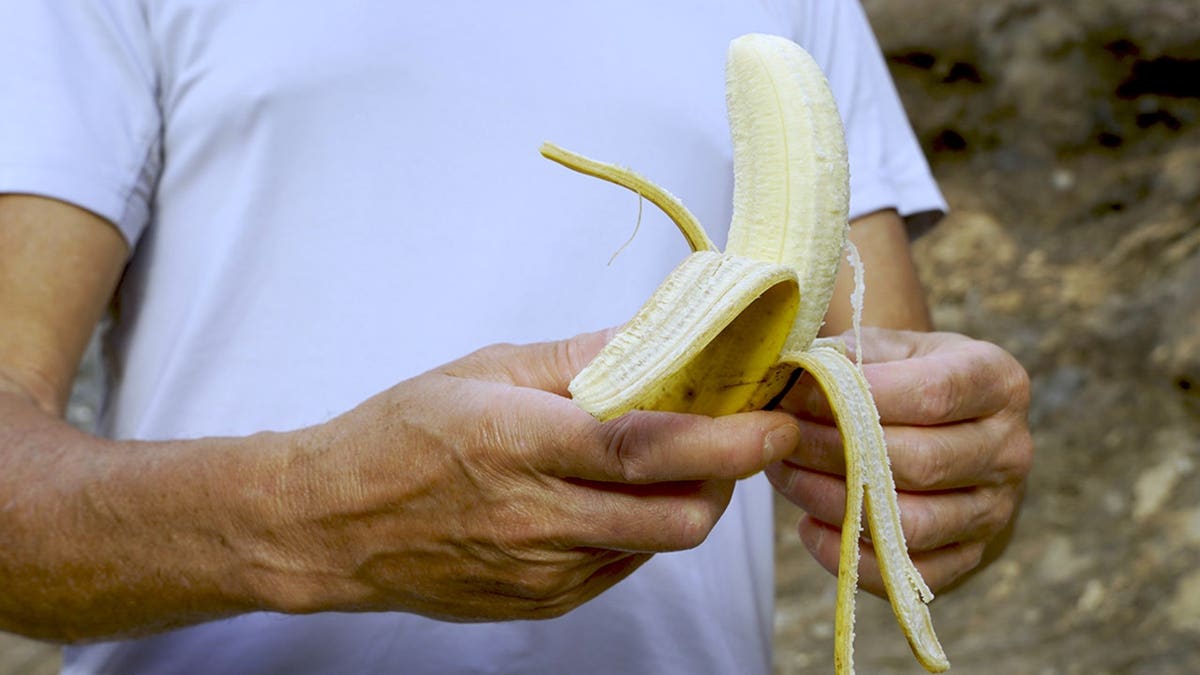
Exposure to excessively cold temperatures during storage or transport can cause a "chilling injury" that disrupts the banana's normal ripening process. (iStock)
Green bananas contain more resistant starch, a type of carbohydrate that acts similarly to fiber and is digested more slowly by the body. The higher resistant starch content means greener bananas tend to be less sweet and may have a gentler effect on blood sugar levels, Manaker said.
As bananas ripen, much of that resistant starch is converted into natural sugars.
TEST YOURSELF WITH OUR LATEST LIFESTYLE QUIZ
"That's why ripe bananas taste sweeter, feel softer and are easier on the stomach for many people," Manaker said.

Experts say both ripe and green bananas provide potassium, vitamin B6, vitamin C and other nutrients, with the healthier choice depending on individual needs and preferences. (iStock)
"If you're watching blood sugar or want more resistant starch, a greener banana might suit you. If you prefer something sweet and gentle on digestion, a ripe one may be the way to go."
Rather than focusing on a banana's color alone, Manaker recommends considering how the fruit fits into your overall nutrition and daily eating habits.
CLICK HERE TO DOWNLOAD THE FOX NEWS APP
"The thing to keep in mind is overall context," she said. "It helps to think about how they fit alongside everything else you eat in a day rather than focusing on bananas alone."
