January 27, 2017 2 days after death, some life continues in body Death is more like the slow shutdown of a computer than the flipping off of a light switch, says a scientist, explaining a new study that shows genes in the body remain alive for about two days after the heart stops.
January 26, 2017 Mathematician wants to fight tsunamis with sound waves Tsunamis are among the deadliest forces in nature.
January 18, 2017 Body armor made from human hair? Here’s something to think about next time you’re in the shower reaching for the shampoo.
January 13, 2017 Who was 'Adam'? Genetic 'man'-hunt catches eye of Vatican scientists A pair of scientific studies using the latest genetic evidence are seeking to identify the very first man to walk the Earth, the so-called "Adam."
January 13, 2017 Chicken or egg question cracked: Hampton Creek scientists create plant-based egg Which came first, the chicken or the egg? Neither.
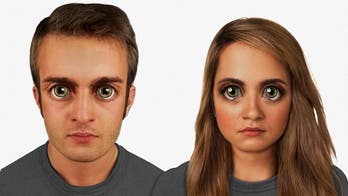
January 4, 2017 Humans in 100,000 years: What will we look like? Homo sapiens have slowly evolved over thousands of millennia, but what happens when modern technology comes into play?
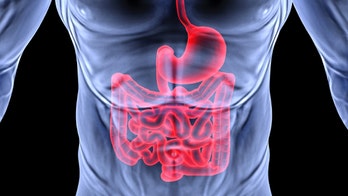
January 4, 2017 Scientists identify new organ in humans A mighty membrane that twists and turns through the gut is starting the new year with a new classification: the structure, called the mesentery, has been upgraded to an organ.
December 27, 2016 Scientists have a theory on why you break eye contact Researchers in Japan suggest there's a surprising neurological reason why people avert their gaze occasionally during conversation.
December 23, 2016 Study: This practice, lost to time, likely made a Stradivarius sing For hundreds of years, violins by Antonio Stradivari have been considered the best in the world, some fetching millions of dollars.
December 23, 2016 Rugged Rudolph: Scientists discover why reindeer antlers are so strong A team of scientists from the UK’s Queen Mary University of London have discovered the secret behind what makes reindeer antlers so tough.