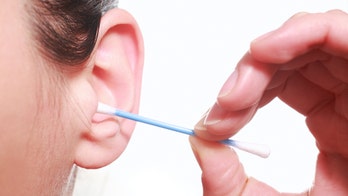
January 5, 2017 Why you shouldn't 'clean' your ears Sticking a cotton swab in your ear on the regular may offer what feels like sweet relief from seemingly impacted wax, but experts say the practice isn’t only unnecessary— it’s also risky.
January 4, 2017 Low iron levels may be linked to hearing loss When people have low levels of iron in their blood, they may develop a condition called iron deficiency anemia, which is known to have wide-ranging effects throughout the body, and now, a new study suggests that this condition may be linked to hearing loss as well.
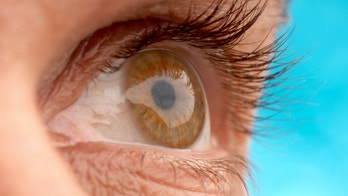
January 3, 2017 Inotek's glaucoma treatment fails late-stage study Inotek Pharmaceuticals Corp's shares plunged 71 percent to a record low on Tuesday after the company said its lead experimental drug failed a late-stage study, citing a stronger-than-expected placebo effect.
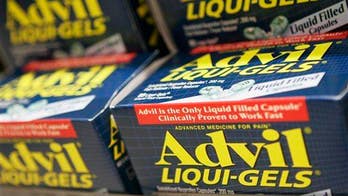
December 16, 2016 What 6 years of pain relievers might mean for your ears Regularly popping a dose of Advil or Tylenol could compromise your hearing.
December 15, 2016 Rare parasite causes college student's eye to swell to size of golf ball You know those moments when you learn about something that freaks you out so much, you’ll remember it years later?
December 13, 2016 ESPN's Britt McHenry: Post-outburst stress caused eye damage ESPN reporter Britt McHenry says stress over a viral video that showed her hurling personal insults toward a towing company clerk may have led to a condition that caused permanent eye damage.
December 13, 2016 Does marijuana use affect a person's vision? Regular marijuana use may affect how well certain cells in the eye's retina function, a small new study finds.
December 12, 2016 Contact lenses cost paramedic his job and his eye Andrew Carthew, a 59-year-old paramedic in Britain, woke up one day in June 2015 with a "weepy eye," the Bristol Post reports.
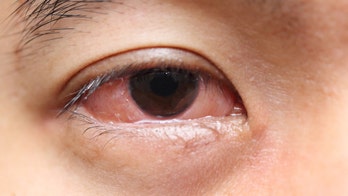
December 7, 2016 10 reasons your eyes are bloodshot Red eyes can spark a lot of annoying questions from people wondering if you’re sick, upset, or hungover.
December 6, 2016 Lack of sun in teen years linked to nearsightedness later on Teens and young adults who spend more time outdoors may be less likely to become nearsighted later in life than those who spend less time outdoors, a new study suggests.