Risk of death nearly doubled for Vietnam veterans with PTSD Higher than average death rates among Vietnam War veterans with post-traumatic stress disorder (PTSD) suggest that combat trauma may still be affecting veterans' health even decades after the war, according to a new study.
Psychological first aid: Migrant trauma demands alternative therapies Europe's migrant crisis is forcing the advancement of new psychological therapies that go beyond existing treatments to help victims not of one traumatic event, but of multiple traumas such as rape, war and torture.
More than half of US doctors experience burnout Burnout among U.S. doctors is becoming more common and now affects more than half of practicing physicians, according to a new study.
Life insurance companies see good outlook for survival with HIV Two companies are for the first time jointly offering life insurance to people living with human immunodeficiency virus (HIV) in recognition that their life expectancies are close to those of uninfected individuals.
Community mental health cuts tied to spike in ER visits There was an increase in the number and length of mental health evaluations at a California emergency room after a nearby treatment center cut back on services, according to a new study.
Cancer patients may benefit from mindfulness-based therapy Mindfulness-based therapy may help ease anxiety and depression in some patients with cancer, a small research review suggests.
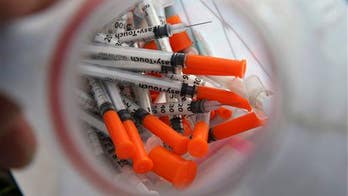
One country's plan for heroin addicts: Give them heroin If you can't cure heroin addicts, at least give them good-quality smack in a safe environment—or so say newly elected politicians in Norway.
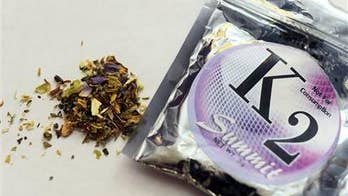
Synthetic marijuana sickens 16 in San Diego, police say Authorities said a synthetic drug called spice sickened 16 people in downtown San Diego Saturday, a week after paramedics were called to treat eight others who had used the same drug.
Screen time, in moderation, not linked to youngsters' depression Youngsters who spend too much time staring at televisions and computers may be more depressed than those who abstain completely, but kids who enjoy screen time in moderation may be the happiest of all, a recent analysis suggests.