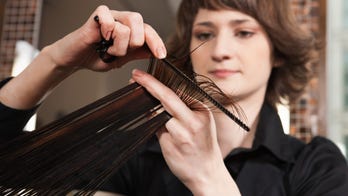
A new Illinois law will teach hairstylists to look for signs of domestic violence and sexual assault A new way to combat domestic violence.
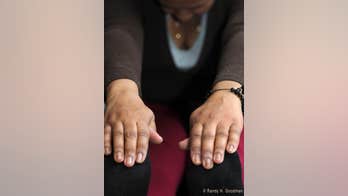
Boston non-profit offers free yoga classes for homeless women Two years ago, Carmen Bones, 39, moved with her two sons to an apartment provided at an affordable rate by Boston non-profit, Brookview House.
US women increasingly use pot during pregnancy, study finds U.S. women are increasingly using pot during pregnancy, sometimes for morning sickness.
Homeless across country fall victim to synthetic marijuana The nation's homeless are proving to be especially susceptible to a new, dirt-cheap version of synthetic marijuana, which leaves users glassy-eyed, aimless, sprawled on streets and sidewalks oblivious to their surroundings or wandering into traffic.
Drug overdose deaths rise significantly in past 5 years Drug overdose deaths have increased by 33 percent in the past five years across the country, with some states seeing jumps of nearly 200 percent.
From Bruce to Caitlyn Jenner: What gender reassignment entails The dramatic changes Bruce Jenner underwent to become Caitlyn Jenner are featured on this month’s cover of “Vanity Fair,” helping to shed a great deal of light on the gender reassignment process and surgery. Just four hours after emerging on Twitter, Jenner’s account became the fastest to reach one million followers, breaking a record previously held by President Obama.
National Geographic puts 9-year-old transgender girl on their January cover This is a proud moment for transgender people everywhere.
'Night-owl' preschoolers may have more sleep problems Preschoolers whose natural preference is for going to bed and waking up on the late side are more likely than their early-bird peers to have sleep problems, a recent study suggests.
Optimistic people may live longer after a heart attack People who expect good things to happen in the future are more likely than less-optimistic peers to survive the decades following a first heart attack, a study in Israel suggests.
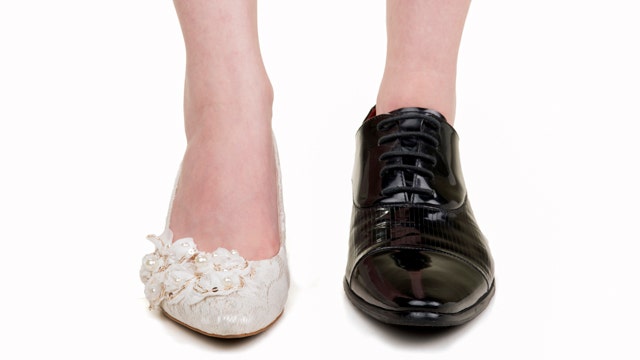
Psychiatrist sheds light on transsexualism When Olympian and reality TV star Bruce Jenner started growing out his hair, the media began to speculate that he was transforming into a woman. These rumors have not been confirmed by Jenner but his changing appearance alone was enough to make headlines. While his behavior seems newsworthy to the mainstream, for millions of people worldwide the idea of changing your gender is perfectly normal.